Top Bike Care Tips
Top Bike Care Tips
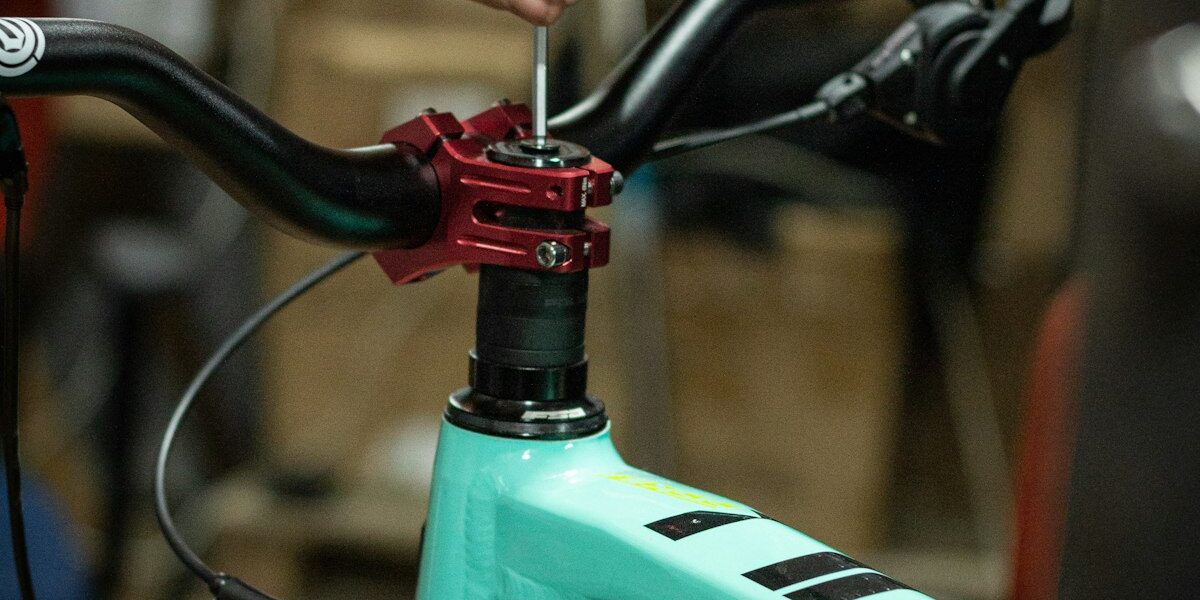
Bike maintenance has gotten complicated with all the conflicting advice flying around. One YouTube video says to degrease your chain every single ride, another says once a month is plenty. I remember when I first started wrenching on my own bikes — I overtightened a headset so badly I could barely turn the handlebars. Learned a lot from that mistake. So here’s what actually matters when it comes to keeping your ride in shape, based on years of trial and error (heavy on the error).
Cleaning Your Bike
Regular cleaning is one of those things everyone knows they should do but most of us skip. Don’t be that person. Dirt and grime grind away at your components and invite rust to the party. Grab a bucket of soapy water, a sponge, and give your bike a once-over. Rinse with low-pressure water first — no power washers, please — then scrub down the frame, chain, gears, and brakes. Rinse off the soap and dry everything with a clean cloth. Takes about fifteen minutes.
Lubricating the Chain
A well-lubricated chain makes pedaling feel like butter instead of sandpaper. Start by wiping down the chain with a rag to clear out the old gunk. Then apply a bike-specific chain lube evenly across the links. Don’t go nuts with it — a little goes a long way. Wipe off the excess with a cloth because a dripping chain just collects more dirt. Do this regularly and you’ll notice your drivetrain lasting way longer.
Inspecting Tires
Here’s one that bites people all the time: riding on under-inflated tires. It makes handling sloppy and practically invites flats. Use a pressure gauge to check that you’re hitting the manufacturer’s recommended PSI. While you’re at it, look over your tires for cuts, worn tread, and little bits of glass or debris embedded in the rubber. Catching this stuff early saves you from being stranded on the side of a trail.
Checking Brakes
Probably should have led with this, honestly. Your brakes are what keep you from becoming one with a tree or a car bumper. Inspect the brake pads for wear and make sure they’re aligned properly with the rim (or rotor, if you’ve got discs). Replace pads that are worn thin. Check cables for fraying and adjust the levers so they engage with a reasonable pull — not grabbing the lever all the way to the bar. Clean your rims and pads if you’re hearing squeaking. Nobody likes a squeaky bike.
Gear Tune-Up
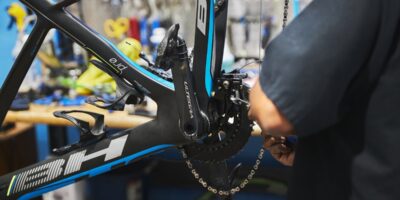
There’s nothing more annoying than gears that won’t cooperate. If you’re getting ghost shifts or your chain hesitates between cogs, it’s time for some attention. Check your gear cables for fraying and fiddle with the derailleur alignment until things click into place. Clean and lube the gear mechanisms while you’re in there. Weird noises during shifting? That’s your bike telling you something’s off.
Inspection for Loose Bolts
This one sounds boring, but it matters more than you’d think. Go around your bike and check every bolt — frame, handlebars, seat, wheels, the works. Use a torque wrench so you don’t accidentally strip anything by cranking too hard. A loose bolt on your handlebars at speed is genuinely scary, and I’m speaking from experience on that one.
Checking Wheel Alignment
Your wheels should spin smoothly without any wobble. Lift your bike off the ground and give each wheel a spin — watch for side-to-side movement. If things look wonky, the wheel probably needs truing, which means adjusting the spoke tension to even everything out. If you’ve never done it before, it’s worth having a bike shop show you the ropes the first time around. It’s not rocket science, but it does take patience.
Maintaining Bearings
Bearing issues can make your whole bike feel sluggish and weird. Every so often, check for play in the hubs, bottom bracket, and headset. If anything feels rough or gritty when you spin it, the bearings need grease or possibly full replacement. Don’t ignore this — worn bearings lead to bigger, more expensive problems down the road.
Suspension Maintenance
Got a suspension fork or rear shock? Then you’ve got extra homework. Keep the stanchions clean so dirt doesn’t get past the seals. Lubricate moving parts based on what the manufacturer recommends — they’re not just making that stuff up for fun. And adjust your suspension settings for the type of riding you’re actually doing. Trail settings and road settings are very different animals.
Seat and Handlebar Adjustments
A poorly adjusted saddle or handlebar setup will ruin your ride faster than a flat tire. Set your seat height so your knee has a slight bend at the bottom of the pedal stroke. Handlebars should be positioned where your hands land naturally without straining your back or shoulders. Getting this right prevents those aches and pains that make you want to quit riding by mile five.
Regular Professional Check-Ups
Even if you’re diligent about home maintenance, take your bike to a pro at least once a year. A good mechanic will catch things you missed and handle the trickier jobs — bottom bracket overhauls, headset bearings, suspension servicing. That’s what makes a trusted local bike shop endearing to home mechanics like us. They’re not trying to replace your efforts; they’re backing you up.
Storing Your Bike Properly
Where and how you store your bike matters more than most people realize. Keep it somewhere dry — a garage, a shed, even inside if you can manage it. A bike cover helps if you’re tight on good options. Don’t leave it baking in direct sunlight for long stretches, since UV can degrade rubber and fade your paint. Wall racks or a simple bike stand keep it upright and out of the way.
Carrying a Basic Repair Kit
Every rider should carry a basic kit. At minimum: a multi-tool, tire levers, a spare tube, and a mini pump. Learn how to use each one before you actually need them. Trust me, trying to figure out a tire lever for the first time on the side of a road in the rain is not the vibe.
Checking and Replacing Cables
Cables are the nervous system of your bike — they connect your levers to the brakes and derailleurs. Over time, they stretch, fray, and corrode. Give them a regular once-over and replace anything that looks sketchy. Fresh cables make shifting and braking feel crisp and responsive. It’s a cheap upgrade that makes a big difference.
Using Proper Riding Techniques
How you ride affects how long your bike lasts. Shift smoothly and avoid cross-chaining (running the big ring up front with the big cog in back — bad geometry, extra wear). Keep a steady pedal stroke. Try not to slam on the brakes constantly or mash through rough shifts. These habits add up over thousands of miles.
Winterizing Your Bike
Winter riding is its own beast. Salt and road grime are absolute murder on bike components, so clean your bike after wet or salty rides. Switch to a thicker, wet-weather lubricant that won’t wash off immediately. Wider tires give you better traction in slippery conditions. And keep your bike sheltered from the worst of the cold when you’re not riding it.
Keeping Track of Maintenance
Start a maintenance log — seriously. It doesn’t have to be fancy. Just jot down when you lubed the chain, replaced brake pads, or got a tune-up. Over time, you’ll start noticing patterns and can get ahead of problems before they leave you walking home.
Understanding Your Bike
The better you understand your bike, the better you’ll take care of it. Read the owner’s manual (yeah, I know, nobody reads manuals, but there’s actually good info in there). Watch some bike repair videos, read blogs, or take a basic maintenance course if you can find one. Knowing what each part does helps you diagnose issues faster and fix things with confidence.
Using Quality Parts and Tools
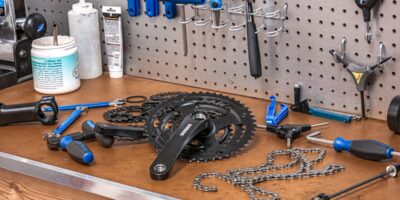
Cheap parts and tools will cost you more in the long run. Invest in decent lubricants, cleaners, and replacement components. A good bike-specific multi-tool is worth its weight in gold. Quality supplies do the job right and don’t damage your bike in the process.
Regularly Checking Reflectors and Lights
Visibility is everything when you’re sharing the road with cars. Make sure all your reflectors are clean and firmly attached. Check your lights regularly — charge them up or swap the batteries before they die on you mid-ride. Being seen is the simplest safety upgrade you can make.
Hydration and Storage Accessories
On longer rides, hydration isn’t optional. Mount a water bottle cage (or two) on your frame. Frame bags and saddle bags are great for carrying snacks, a first aid kit, or extra tools. Little accessories like these make your rides more comfortable and keep you prepared for whatever comes up along the way.
Keeping Your Bike Lock Functional
A lock that won’t open because it rusted shut is almost as bad as no lock at all. Check yours regularly for rust, and hit the mechanism with a little lubricant now and then. When you lock up, always secure both wheels and the frame. A well-maintained lock means one less thing to worry about when you’re grabbing coffee mid-ride.
Adapting to Seasonal Changes
Each season throws different challenges at your bike. Spring means scrubbing off the winter crud and looking for rust spots. Summer heat dries out lubricants faster, so reapply more often. Fall brings wet leaves and rain, which means extra attention on tires and brakes. Match your maintenance routine to what nature’s throwing at you and your bike will thank you for it.
DIY or Professional Repair
Know your limits — there’s no shame in it. Cleaning, lubing, and basic brake adjustments? Totally doable at home. Wheel truing, suspension servicing, or anything involving a press tool? Probably best left to a shop unless you’ve really done your homework. There’s zero shame in handing off the complicated stuff to someone who does it all day.
Patience Pays Off
Rushing through maintenance is how you end up with cross-threaded bolts and stripped screws. Take your time, double-check your work, and follow the instructions. A little patience now means a smoother, safer ride later. Your future self on a long descent will appreciate it.
Staying Educated
The cycling world keeps evolving — new tools, new materials, new techniques showing up all the time. Keep up by following cycling forums, blogs, and YouTube channels you trust. Talk to other riders. The community is full of people who love sharing what they’ve learned. Every tip you pick up makes your maintenance game a little sharper.