Bike Care Essentials
I’ll be honest — I used to be the kind of rider who’d hop on the bike, ride it until something broke, and then throw money at a shop to fix it. That worked fine until I got the repair bill for a neglected drivetrain that had basically eaten itself. Three hundred bucks later, I decided to learn how to actually take care of my bike. Turns out it’s not that hard. You just have to be consistent about it.
Regular Cleaning
Cleaning your bike isn’t exciting, but it’s the foundation of everything else. Dirt and road grime slowly grind away at your components — cables, chain, bearings, all of it. You don’t need a fancy bike wash setup. A hose (low pressure, not a jet washer), some mild soap or a bike-specific cleaner, and a soft brush will do. Rinse off the loose stuff first, scrub down the frame, wheels, and drivetrain, rinse again, and dry it off with a clean cloth. That last step matters — leaving water on your bike is just inviting rust to the party.
Lubrication
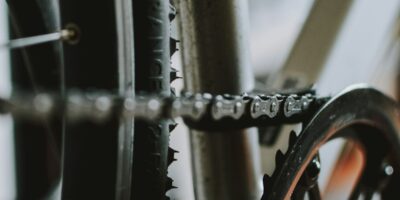
- Chain: This is the big one. A well-lubed chain shifts better, runs quieter, and lasts longer. Use bike-specific lube (not motor oil, not cooking spray, not WD-40). Apply it to the chain while pedaling backward, then wipe off the excess with a rag. You want the lube inside the links, not sitting on the surface attracting dirt.
- Derailleur and Cables: A drop of lube on the derailleur pivot points and cable ends helps everything move more freely. It’s a small thing that makes a noticeable difference in shifting feel.
- Brakes: Be careful here — you absolutely do not want lube on your brake pads or rotors. That’ll kill your stopping power. But a tiny drop on the brake pivot points can reduce annoying squeaking and keep things moving smoothly.
Brake Maintenance
Brakes are your most important safety feature. Full stop. (Pun intended.) Check your brake pads regularly for wear — if they’re getting thin, swap them before they’re completely gone. Adjust the brakes so they engage evenly and smoothly. For rim brakes, make sure the pads hit the rim flat and square, not angled or rubbing the tire. For disc brakes, check that there’s enough pad material left and that nothing’s contaminated the rotor. Probably should have led with this since brakes are literally what keep you from becoming a projectile, but here we are.
Tire Care
Good tires kept at the right pressure are one of the best ways to prevent flats and have a smoother ride. Check pressure before every ride — tires naturally lose air even when there’s nothing wrong with them. The recommended PSI is printed on the tire sidewall; stay within that range. While you’re at it, look over the tire surface for cuts, embedded glass or thorns, or worn-out tread. Worn tires are a flat waiting to happen, so don’t push your luck.
Wheel Truing
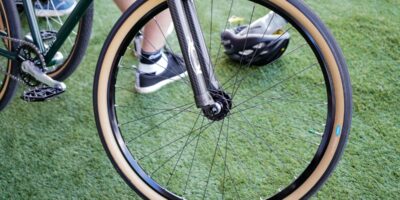
Wheels go out of true over time, especially if you’re hitting potholes or rough terrain. A wheel that’s out of true wobbles side to side instead of spinning straight, which can cause brake rub and affect how the bike handles. Spin the wheel and watch for wobbles. Minor ones you can fix at home with a spoke wrench — tighten spokes on one side, loosen on the other, quarter turn at a time. Bigger wobbles might need a truing stand or a trip to the shop. That’s what makes wheel truing endearing to home mechanics — it’s satisfying when you get it right, and the tools are minimal.
Chain Care
Your chain is the hardest-working part of the drivetrain, and it wears out faster than you’d think. Keep it clean and lubed (we covered that), but also check it for stretch. A chain checker tool takes the guesswork out of this — stick it on the chain and it’ll tell you if it’s worn. Why does this matter? A stretched chain wears out your cassette and chainrings faster, turning a $20 chain replacement into a $100+ drivetrain overhaul. Replace the chain before it gets too far gone and everything else lasts longer.
Gear Adjustments
Smooth shifting makes riding so much more enjoyable. If you’re getting missed shifts, chain rub, or that annoying clicking sound, it’s time for an adjustment. The barrel adjuster on your shifter handles most minor tweaks — turn it a quarter or half turn and test. If that’s not enough, you might need to adjust the cable tension at the derailleur or check the limit screws. For bigger issues — like if the derailleur hanger is bent — you might want to consult your derailleur’s manual or take it to a mechanic. No shame in that.
Headset and Handlebar
The headset connects your fork to the frame and lets you steer. When it’s working right, you don’t even think about it. When it’s not, you’ll feel clunking over bumps or stiff steering. Check for play by grabbing the front brake and rocking the bike forward and back — if you feel a knock, something’s loose. Tighten the top cap bolt first, then the stem bolts. And while you’re at it, make sure the handlebars are secure and positioned where they’re comfortable for you. A couple millimeters of rotation can change how your wrists feel on a long ride.
Suspension Maintenance
If your bike has suspension — fork, rear shock, or both — it needs regular attention. Wipe the stanchions clean after rides to keep grit from getting past the seals. Use the appropriate suspension-specific lubricant on the seals periodically. Check for oil leaks and address them quickly. Your suspension manufacturer will have a recommended service schedule; stick to it. Neglected suspension doesn’t just ride worse — it can damage the internals to the point where a simple service turns into an expensive rebuild.
Storage Tips
How you store your bike matters more than you’d think. Keep it somewhere dry to prevent rust — a damp garage or shed is not ideal. A bike stand keeps it off the ground and upright, which is better for the tires and frame than leaning it against a wall (where it can fall over and scratch or dent things). If you’re storing it for an extended period, ease off the tire pressure slightly, lube the chain, and throw a cover over it to keep dust off.
Toolkit Essentials
You don’t need to buy everything at once, but building up a basic toolkit makes maintenance way easier. Here’s what to aim for:
- Hex keys (a set from 2mm to 8mm covers most bikes)
- Screwdrivers (Phillips and flathead)
- Chain breaker tool
- Tire levers
- Patch kit and spare tube
- Pump or CO2 inflator
- Multitool with chain tool
A multitool alone handles a surprising number of trailside fixes. The rest fills in the gaps for home maintenance.
Regular Inspections
Before every ride, do a quick once-over. Squeeze the tires — are they firm? Pull the brake levers — do they engage? Spin the cranks — does the chain move smoothly? Wiggle the handlebars and wheels — anything loose? This takes about sixty seconds and catches problems before they strand you somewhere inconvenient. Getting into this habit is probably the single most useful piece of bike care advice anyone can give you.
Conclusion
Taking care of your bike isn’t complicated. It just takes a little regularity and attention. The payoff is a bike that rides better, lasts longer, and doesn’t surprise you with expensive repair bills. Spend a few minutes after each ride cleaning up, check things over before you head out, and deal with small issues before they become big ones. Your bike — and your wallet — will thank you.