Tubeless Conversion: Setup and Maintenance Guide
Tubeless Conversion has gotten complicated with all the confusion flying around. As someone who went from roadside breakdowns to home workshop confidence, I learned everything there is to know about tubeless conversion. Today, I will share it all with you.
Benefits of Going Tubeless
- Flat prevention: Sealant plugs small punctures automatically
- Lower pressure: Run 15-20% less pressure without pinch flats
- Better traction: Lower pressure means more grip
- Weight savings: Eliminates tube weight (offset slightly by sealant)
- Improved comfort: Lower pressure absorbs more vibration
What You Need
Required Components:
- Tubeless-ready (TLR) or tubeless-compatible rims
- Tubeless-ready tires (look for TLR, TR, or tubeless-compatible marking)
- Tubeless rim tape (if not pre-taped)
- Tubeless valve stems
- Tubeless sealant (Stan’s, Orange Seal, Muc-Off, etc.)
- Floor pump or compressor
Step-by-Step Conversion
Step 1: Prepare the Rim
- Remove existing tire, tube, and rim strip
- Clean rim bed thoroughly with isopropyl alcohol
- Ensure rim is completely dry before taping
Step 2: Apply Tubeless Tape
- Start opposite the valve hole
- Apply tape centered on rim bed with tension
- Overlap tape by 4-6 inches at finish
- Press tape firmly into rim channel
- Use tire lever to burnish tape into edges
- Poke hole for valve with sharp pick
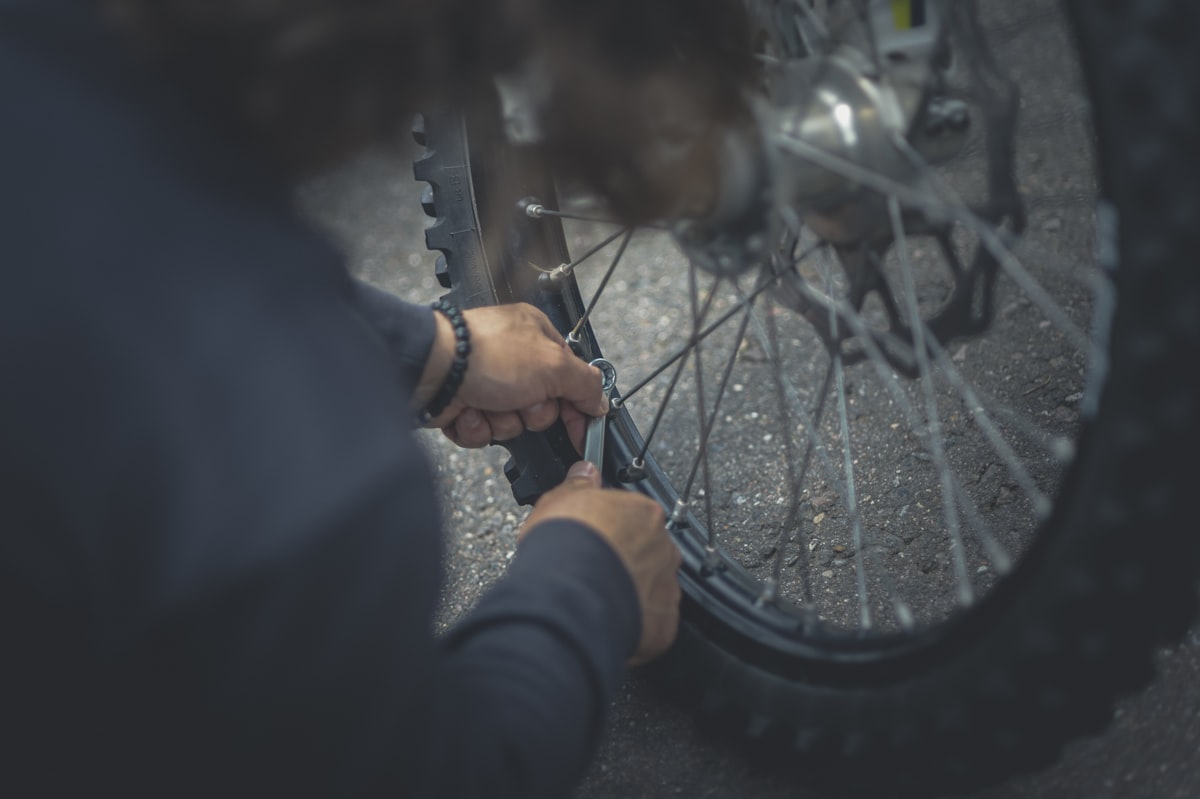
Step 3: Install Valve
- Insert valve from inside rim
- Tighten locknut firmly but don’t over-torque
- Ensure rubber base seats flat against tape
Step 4: Mount Tire
- Mount one tire bead onto rim
- Add sealant through open side (60-90ml for MTB, 30-60ml for road)
- Mount second bead, leaving small section undone
- Work remaining bead onto rim by hand
Step 5: Seat the Beads
- Remove valve core for maximum airflow
- Inflate quickly with floor pump or compressor
- Listen for “pop” as beads seat on rim
- Install valve core and inflate to max pressure
- Shake and rotate wheel to spread sealant
- Let sit overnight, then adjust to riding pressure
Troubleshooting Stubborn Tires
- Won’t seal: More sealant, check tape coverage, inflate higher initially
- Slow leak at bead: Deflate, break bead, add sealant directly to bead area
- Won’t seat: Try tubeless booster/compressor, or temporarily use tube to stretch bead
- Leaking at valve: Check tape seal, tighten locknut, ensure proper valve length
Ongoing Tubeless Maintenance
Monthly:
- Check sealant level by shaking wheel (should slosh)
- Top off if low (sealant dries over time)
Every 3-6 Months:
- Remove tire, clean out dried sealant
- Inspect tape and re-tape if damaged
- Add fresh sealant
When Needed:
- Plug larger punctures with tubeless plugs
- Boot sidewall cuts from inside
- Carry emergency tube for catastrophic failures
Sealant Tips
- Shake bottle well before every use
- Latex-based sealants (Stan’s) seal faster but dry quicker
- Synthetic sealants last longer in hot climates
- Store sealant at room temperature
- Replace sealant before rides in extreme conditions
Tubeless conversion typically takes 30-60 minutes per wheel on first attempt. Once set up, the system requires minimal maintenance while providing better ride quality and puncture protection.