Essential Bicycle Maintenance
Bike maintenance has gotten complicated with all the YouTube tutorials and conflicting advice flying around. I remember the first time I tried to tune up my old commuter — armed with a wrench, zero patience, and way too much confidence. Spoiler: I made things worse before I made them better. But that messy afternoon taught me more than any manual ever could. So here’s what actually matters when it comes to keeping your bike rolling right.
Check Tire Pressure
Getting your tire pressure right makes a bigger difference than most people realize. Too low and you’re asking for pinch flats and uneven wear. Too high and you risk a blowout — neither option is fun. Grab a decent pressure gauge (they’re cheap) and check your PSI against what’s printed on the tire sidewall. It takes thirty seconds and saves you a headache down the road.
Inspect and Clean the Chain
Your chain does a ton of work, and it picks up dirt and grime like a magnet. Left unchecked, all that gunk grinds away at the links and sprockets, and eventually something gives. Here’s the deal: get a degreaser, a stiff brush, and go at it every couple of weeks. Wipe the chain down with a dry cloth after, then hit it with a proper bike chain lube. Skip the WD-40 or cooking oil — those don’t cut it for this job.
Brake System Check
I shouldn’t have to tell you that brakes matter, but you’d be surprised how many riders let them go until they’re barely working. Take a look at your brake pads — if they’re thin, swap them out. Check the cables for any fraying. Squeeze the levers and make sure the brakes actually grab without you having to white-knuckle it. If something feels off, adjust or replace the parts. Don’t ride with sketchy brakes.
Gear Adjustment
There’s nothing more annoying than gears that skip or refuse to shift when you need them to. The barrel adjuster on your derailleur is your best friend here — small turns can fine-tune the cable tension and get things running smoothly again. If you’re still having trouble after that, it might be time for a deeper look or a trip to the shop. Probably should have led with this, but a well-shifting bike just makes everything more enjoyable.
Wheel and Spoke Check
A wobbly wheel is more than annoying — it’s a safety issue. Lift your bike up and give each wheel a spin. Watch for any side-to-side movement. If you spot it, grab a spoke wrench and snug up the loose spokes. If the wheel’s still dancing around after that, bring it to a bike shop for a proper truing. And make sure your quick-release levers or axle nuts are tight, but don’t go Hulk on them.
Frame and Fork Inspection
Every now and then, take a close look at your frame and fork. I’m talking about really examining the welds, joints, and stress points. Small cracks might not seem like much, but they can turn into big problems fast. If you spot anything suspicious — a hairline crack, a dent that wasn’t there before — get it looked at by a pro before you ride again. Not worth the risk.
Lubricate Moving Parts
Your derailleur jockey wheels, brake pivots, and chain all need some love in the form of lube. Use something made for bikes, and go with the “less is more” approach. A little bit applied often beats drowning everything in oil once a month. Wipe away any excess — leftover lube just becomes a dirt magnet.
Handlebar and Stem Check
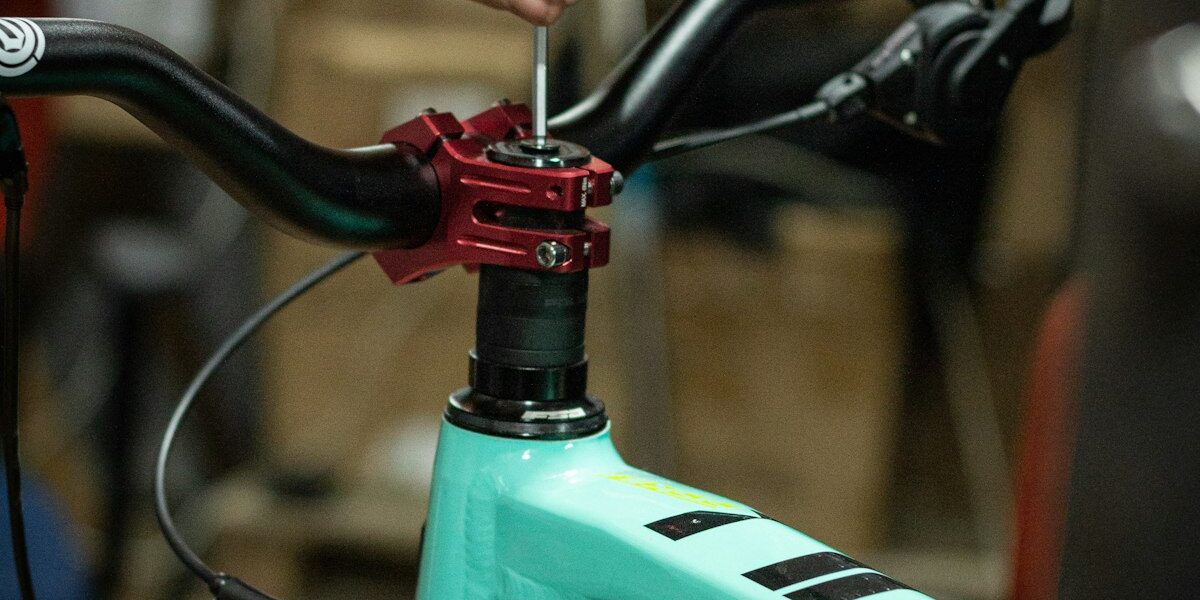
A loose handlebar is terrifying, trust me. Check all the bolts on your stem and handlebar setup. Make sure everything’s snug. Set the angle and height so you’re comfortable reaching, and test the headset by holding the front brake and rocking the bike forward and back. Feel any knocking or play? Tighten it up.
Saddle and Seatpost Adjustment
If your saddle’s at the wrong height, you’re losing power and probably hurting your knees. Set it so your leg is almost fully extended at the bottom of the pedal stroke. Keep the saddle level — not tilted forward or back — and make sure the seatpost clamp is holding firm. Check it every once in a while because things shift over time.
Basic Cleaning
Look, cleaning your bike isn’t glamorous, but it honestly extends its life more than almost anything else. Warm water, mild soap, a sponge — that’s really all you need. Don’t blast water directly at the bearings or pivots. Rinse it off, dry it with a soft cloth, and you’ll catch all sorts of little issues while you’re at it. It’s also weirdly satisfying.
Regular Safety Checks
Before any longer ride, do a quick once-over. Check the tires for cuts or stuff stuck in the tread. Make sure quick releases and thru-axles are locked down. If you ride in the dark at all, confirm your lights and reflectors are actually working. Takes two minutes. Worth it every time.
Keep Tools Handy
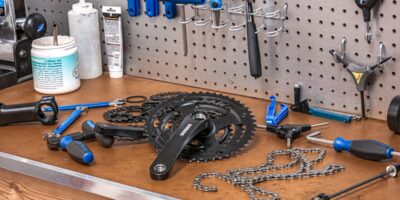
You don’t need a professional workshop, but having the basics makes everything easier. Tire levers, a multi-tool, a pump, a chain breaker, and a patch kit cover most situations. If you want to get more serious, add a torque wrench, cable cutters, and a repair stand to the mix. Good tools pay for themselves pretty quickly.
Understand Your Bike
This one’s underrated. Getting to know how your specific bike works — what type of brakes it has, how the shifting system is set up, what kind of bearings are in there — helps you figure out problems faster. Mountain bikes need different care than road bikes, and commuters have their own quirks. That’s what makes each bike endearing to its rider — they all have their own personality once you get to know them.
Professional Service
Even if you’re doing everything right at home, get your bike into a shop once a year. A good mechanic will catch things you’d never notice. They’ve got specialized tools and years of experience dialing things in. Think of it like a checkup — preventive care beats emergency repairs every time.
Document Maintenance
Keeping a simple log of what you’ve done and when makes life a lot easier. Jot down tire replacements, chain lubes, brake pad swaps, whatever. It doesn’t have to be fancy — a note on your phone works. But when something goes wrong, having that history helps you (or your mechanic) figure out what’s up.
Know When to Replace Components
Everything wears out eventually. Chains usually need replacing every 2,000 to 3,000 miles. Brake pads might last 500 to 1,000 miles depending on how and where you ride. Tires are done when the tread’s worn flat or you’re getting frequent flats. Don’t wait until something fails on a ride — stay ahead of it.
Addressing Rust
Rust is your bike’s worst enemy, and it moves fast once it gets started. If you catch surface rust early, hit it with a wire brush and some rust-resistant coating. If it’s gone deep, you might have to replace the part entirely. The best defense? Keep your bike clean and dry it off after wet rides.
Storage Tips
Where you store your bike matters more than you’d think. A dry spot out of the weather is ideal. If you have to keep it outside, throw a cover over it. For long-term storage, hanging the bike prevents tire deformation, and check the pressure every now and then — tires lose air even when you’re not riding.
Learn Basic Repairs
Knowing how to patch a flat, tweak your brakes, or swap a chain saves you time and money. You don’t need to become a bike mechanic, but the basics go a long way. There are tons of good tutorials online, and a lot of local shops run workshops too. It’s worth an afternoon of learning.
Hydration and Nutrition Storage
Don’t forget about fueling yourself on longer rides. Slap a couple of bottle cages on your frame and maybe a small bag for snacks. Staying hydrated and keeping your energy up makes a real difference when you’re out for more than an hour or two. Simple stuff, but easy to overlook.
Emergency Kit
Carrying a small kit can turn a ride-ending problem into a ten-minute fix. Pack a multi-tool, a spare tube, tire levers, a patch kit, and a mini pump. Just as important — actually practice using them before you need to. Fumbling with a patch kit on the side of the road in the rain is no fun if it’s your first time.
Reflective Gear and Lights
Visibility matters, especially when the light fades. Get a solid front and rear light on your bike. Throw some reflective tape on your frame and your gear too. Other road users need to see you, and it’s one of the cheapest safety upgrades you can make. No excuses on this one.
Tire Wear and Replacement
Tires lose grip and puncture resistance as they age. Check your tread regularly for signs of wear, cracks, or cuts. If you’re getting more flats than usual, it’s probably time. And make sure you’re running the right tire for your riding — road tires on a road bike, knobbies for the trails, and so on.
Understanding Suspension
If your bike has suspension, it needs attention too. Keep the fork stanchions and rear shock clean, and check the seals for any grime buildup. Follow whatever service intervals the manufacturer recommends — skipping them leads to poor performance and expensive repairs later. Clean suspension means a better ride, plain and simple.
Wheel Alignment
Straight wheels make for a bike that handles well and wears evenly. Spin your wheels and watch for wobble. If they’re out of true, you can try fixing it with a spoke wrench, but a truing stand or a trip to the shop gives you better results. It’s one of those things that’s subtle but makes a real difference.
Bolts and Fasteners
Loose bolts cause all kinds of problems. Go over your bike with a torque wrench and make sure everything’s tightened to spec. Pay extra attention to the stem, handlebars, and saddle — those are the areas where a loose bolt can ruin your day fast.
Brake Fluid and Bleeding
Running hydraulic brakes? The fluid needs maintenance. Air bubbles sneak into the system over time and make your brakes feel spongy and weak. Learning to bleed your brakes isn’t that hard, but if it intimidates you, a shop can do it quickly. Check for leaks now and then, and swap the fluid on the manufacturer’s schedule.
Headset Maintenance
The headset connects your fork to the frame and controls how your steering feels. Turn your handlebars and feel for any grinding or roughness. If something’s off, it might just need adjustment or some fresh grease. A smooth headset means precise, predictable steering — and that’s something you definitely want.
Shifter and Cable Maintenance
Cables and shifters take a beating from dirt, friction, and general use. Every so often, clean the cables and give them a light coat of lube. If they’re frayed or kinked, replace them. Properly set up shifters and cables mean your gears change when you tell them to — and that’s a beautiful thing.
Drivetrain Components
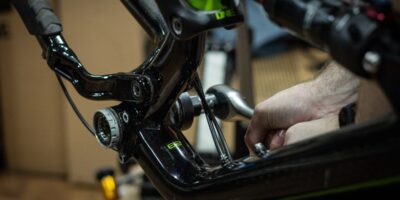
The crankset, bottom bracket, and cassette are the heart of your bike’s power delivery. Give them a look regularly. Creaks or clicks while pedaling usually mean something’s loose or worn. Keep everything clean and lubed, and replace parts when they’re past their prime. A smooth drivetrain makes every ride better.
Pedal Inspection
Last but not least — check your pedals. They should spin freely without any grinding or stiffness. If they’re not smooth, they might need lube or new bearings. Also make sure the threads in the crank arms aren’t stripped. Solid pedals mean efficient power transfer and a safer ride overall.