Last summer I decided to adjust my own derailleur instead of taking it to the shop. Forty-five minutes later I had grease on my forehead, three extra bolts I couldn’t account for, and a bike that shifted worse than before. Lesson learned: start with the basics. Here are five genuinely simple DIY maintenance tasks that won’t leave you with leftover parts or a bruised ego.
- Keep It Clean: Dirt and grit are the enemy of every moving part on your bike. You don’t need fancy products — a bucket of warm soapy water, a sponge for the frame, and a stiffer brush for the drivetrain will do. Get into the chain, the cassette, and around the brake calipers. Rinse it off and dry everything with a rag. Takes fifteen minutes and your bike will thank you by not making weird noises on the next ride.
- Get Your Tire Pressure Right: Riding on underinflated tires is harder than it needs to be. You’re fighting the road instead of rolling over it, and you’re way more likely to pinch flat. Probably should have led with this, since it’s the easiest fix in cycling. Check the sidewall of your tire for the recommended PSI range, grab a pump with a gauge, and top them off. Do this before every ride if you can, or at least weekly.
- Brake Check: Spin each wheel and listen. Hear rubbing? That’s your brake pads touching when they shouldn’t be. Hear nothing when you squeeze the lever? That’s worse. Your pads might be worn down or your cable might have stretched. Either way, it’s worth checking. Tighten the cable, adjust pad position, or swap them if they’re toast. If it feels like more than you want to tackle, any shop will do it for a few bucks. Don’t ride with sketchy brakes.
- Chain Care: A rusty, dry chain is slow, loud, and eating your cassette alive. Every couple of weeks, wipe it down with a rag and apply bike-specific chain lube. That’s what makes this little task endearing to weekend riders — two minutes of effort and suddenly your bike shifts like it’s brand new. Pedal backward slowly while applying the lube, then wipe off any excess so it doesn’t attract dirt.
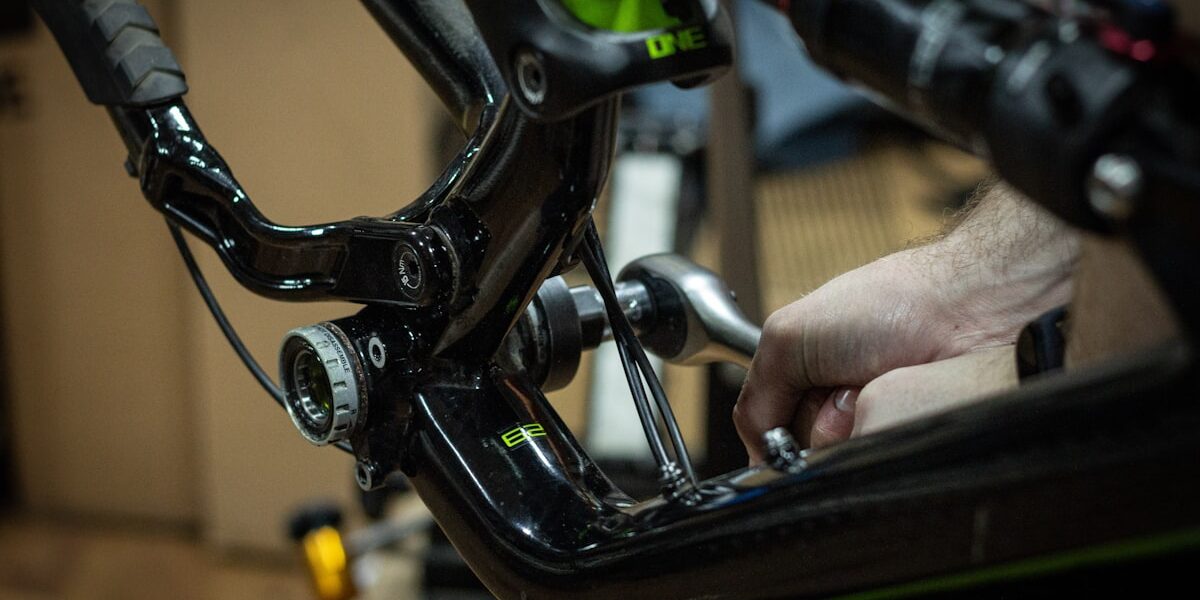
- Check Your Bolts: Things loosen up. It happens. The bolts on your seat, handlebars, stem, and wheels can all work their way loose over time, especially if you’re riding trails or rough roads. Grab an Allen key set or a bike multi-tool and give everything a check. Snug but not over-tight. If you strip a bolt because you cranked too hard, that’s a bigger problem than it being slightly loose.
That’s really it. None of these take specialized knowledge or expensive tools. They’re the kind of things that, once you make them a habit, keep your bike running well and save you from bigger repair bills down the line. And when something does go sideways that’s beyond your skill level, there’s no shame in taking it to a pro. That’s what they’re there for.