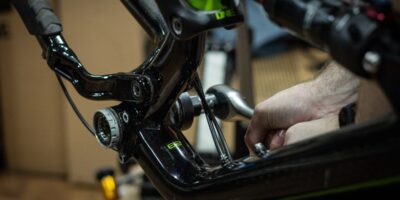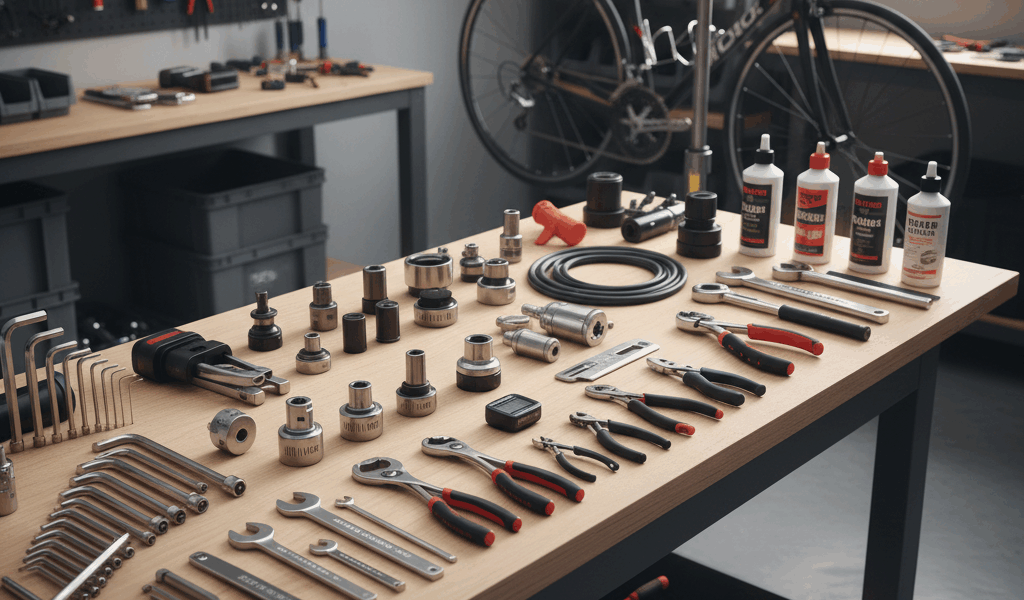
Home bike tool kits have gotten complicated with all the specialty tools, premium brands, and “essential” lists flying around. As someone who’s built several home workshops over the years, I learned everything there is to know about what you actually need versus what marketing tells you to buy. Today, I will share it all with you.
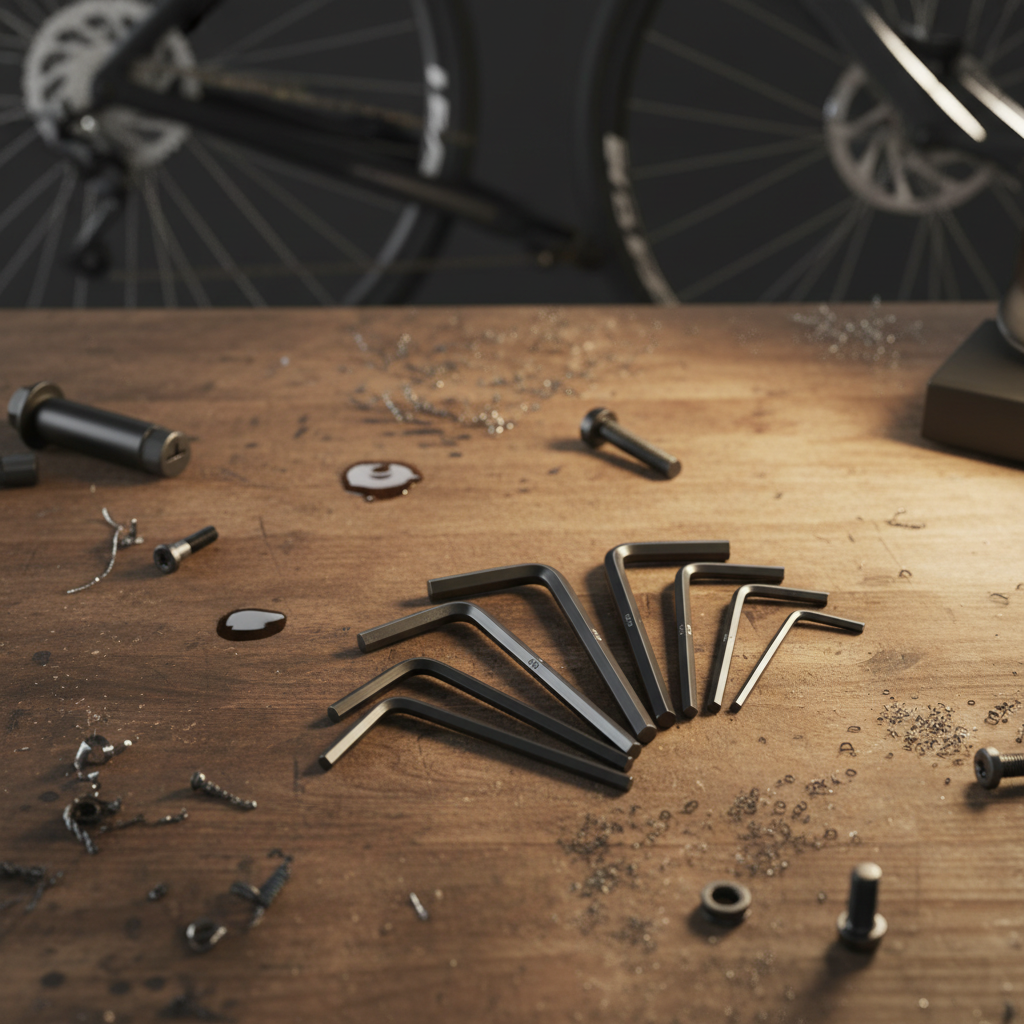
You can spend $500 building the ultimate home workshop, or you can spend $150 and handle 95% of bike maintenance yourself. The difference is often tools you’ll use once versus tools you’ll use weekly. Here’s the essential kit that delivers maximum capability at minimum cost.
The Absolute Essentials: $60-80
These tools handle the maintenance tasks every cyclist faces regularly.
Hex wrench set ($15-25): Quality L-shaped hex wrenches in sizes 2, 2.5, 3, 4, 5, 6, and 8mm. These adjust virtually everything on your bike—stem bolts, brake calipers, seatpost clamps, derailleur limits. Ball-end wrenches are worth the extra few dollars for angled access.
Torx wrench set ($10-15): T10, T20, T25, and T30 cover modern disc brake rotors, some derailleur mounts, and various component bolts. Many bikes now require Torx; don’t be caught without them.
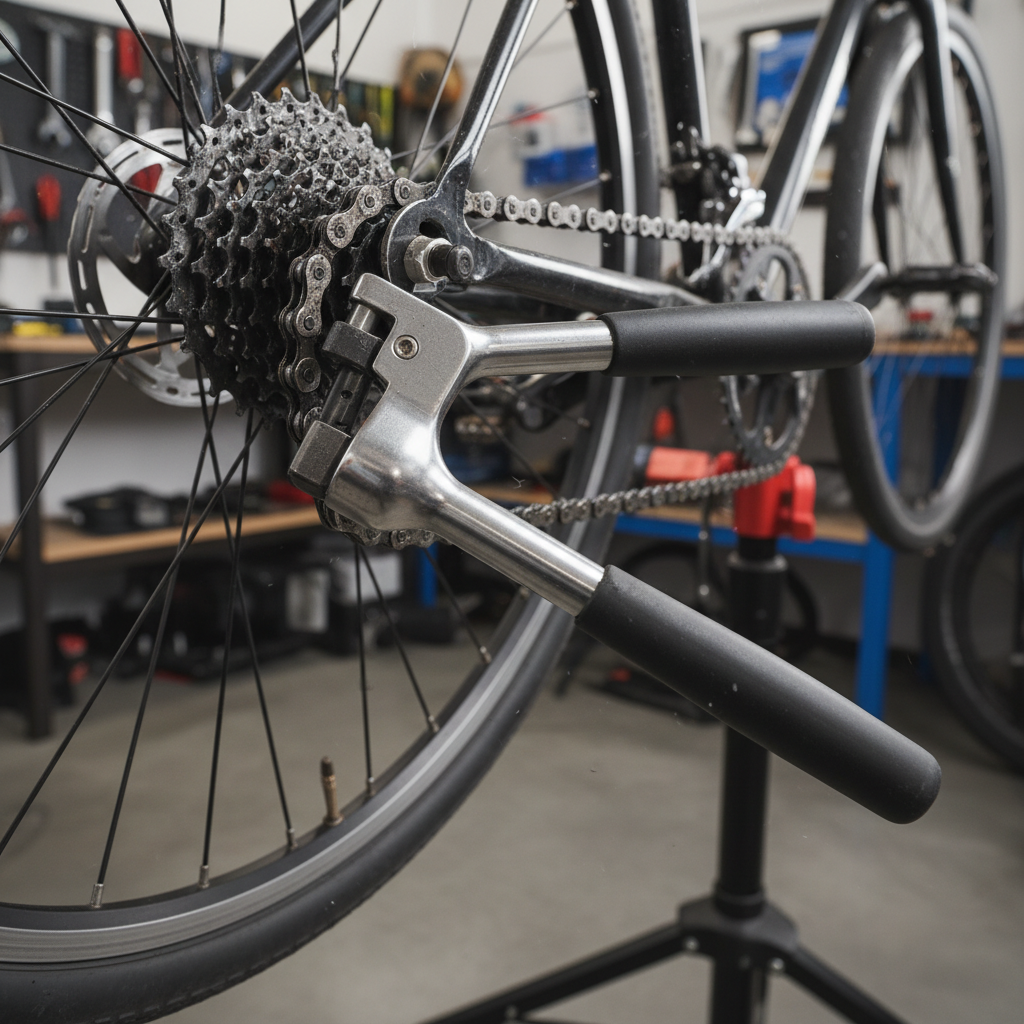
Chain tool ($15-20): For breaking and rejoining chains. Even if you use quick links exclusively, you need this for emergency repair and chain sizing. Park Tool CT-3.3 or equivalent handles most chain types.
Tire levers ($5-8): Three plastic levers for mounting and removing tires. Don’t use screwdrivers—they puncture tubes and damage rim tape. That’s what makes quality levers endearing to us home mechanics—they just work without causing problems.
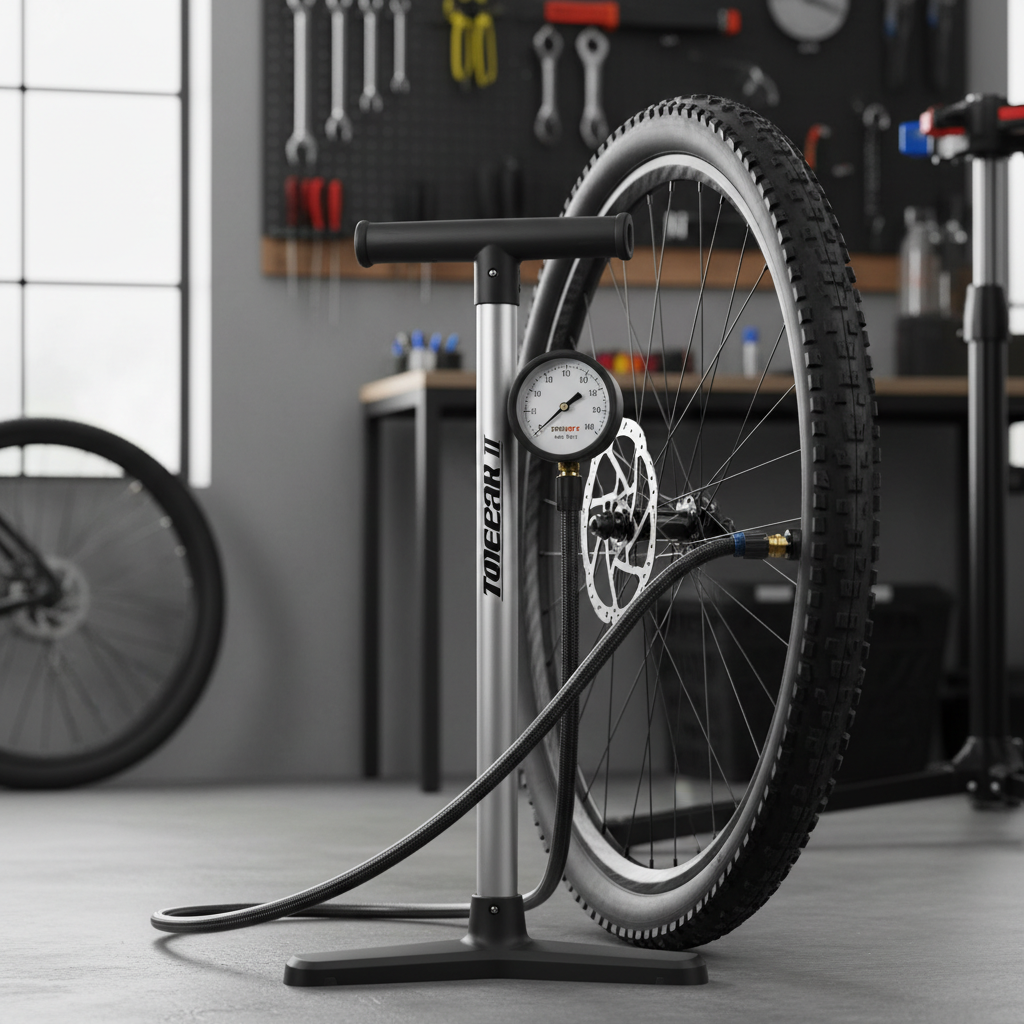
Floor pump with gauge ($30-50): A decent floor pump pays for itself in convenience and accuracy. Digital gauges are nice but analog works fine. Capacity to reach road pressure (120+ PSI) and a secure head connection matter most.
Chain wear checker ($10-15): This simple gauge tells you when to replace your chain before it damages your cassette. Park Tool CC-4 or similar saves hundreds in preventable wear.
The Working Set: Additional $50-70
These tools expand your capability to handle more involved maintenance.
Cable cutters ($20-25): Probably should have led with this section, honestly. Never use diagonal cutters or wire cutters—they crush cable strands and fray housing. Proper cable cutters create clean cuts essential for shifting performance. Park Tool CN-10 is the workshop standard.
Pedal wrench ($15-20): Thin-jawed 15mm wrench with a long handle. Regular wrenches often won’t fit the tight clearance between pedal and crank, and you need the leverage for stuck pedals.
Cassette lockring tool ($10-15): Matches your cassette type (Shimano/SRAM vs. Campagnolo). Required for cassette removal during cleaning or replacement.
Chain whip ($15-20): Works with the lockring tool to hold the cassette while removing the lockring. Some modern designs incorporate both functions.
Spoke wrench ($8-12): Matches your spoke nipple size (3.2mm is most common). Even if you don’t true wheels yourself, you can correct minor wobbles and emergency issues.
Level Up: Add $30-50
These items bring professional-level capability to home maintenance.
Torque wrench ($40-60): Critical for carbon components and precision assembly. Preset torque wrenches ($40) handle common values. Adjustable torque wrenches ($60-100) offer more flexibility but cost more.
Work stand ($40-150): Not strictly essential but transformative for working on your bike. Even a basic clamp stand that holds the bike at working height improves every maintenance task.
Cleaning supplies ($20-30): Degreaser for drivetrain, bike-specific soap for frame, brushes in various sizes, chain cleaning device. Clean bikes are easier to inspect and maintain.
Skip For Now
Tools that seem essential but aren’t—at least not for a starter kit:
Bottom bracket tools: BB replacement happens every few years. Buy or borrow when needed; shop service is often more economical.
Headset press: Unless you’re building frames or doing frequent fork swaps, this is shop territory.
Wheel truing stand: Minor truing can be done on the bike. Major wheel work requires skill that develops with practice; the stand can wait until you have the skill.
Bleed kits: Specific to your brake system and used once or twice annually. Shop service or borrowing often makes more sense than purchasing.
Quality Matters
Budget tools fail at critical moments. A stripped hex bolt from a cheap wrench costs more to fix than the price difference for quality tools. Park Tool, Pedro’s, and Unior represent good value at reasonable prices. Avoid dollar-store equivalents.
That said, premium tools aren’t always necessary. A $25 hex set works as well as a $75 set for home use. The difference is durability for professional daily use, which most home mechanics don’t need.
Storage and Organization
Your $150 investment deserves protection:
- Tool roll or box keeps everything together and organized
- Light oil on metal tools prevents rust
- Clean tools after use; grease and grit accelerate wear
- Designated storage location means you find tools when needed
The Savings Math
Average shop labor runs $60-100 per hour. A basic tune-up costs $60-100. Annual maintenance for an active rider runs $200-400 in shop labor.
Your $150 tool investment pays for itself in the first year if you do your own basic maintenance. Everything after that is pure savings—plus the satisfaction of understanding and caring for your own machine.
Start with the essentials, add tools as needs arise, and build capability over time. The goal isn’t owning every tool—it’s having the right tools for the work you actually do.