The Scott CR1 Pro: What Makes This Bike Worth Your Attention
I picked up a used Scott CR1 Pro about three years ago from a friend who was upgrading to a newer model. Figured I’d ride it for a season and move on. Three years later, it’s still my go-to bike for long weekend rides and the occasional group century. There’s something about how this bike rides — comfortable enough for big miles but responsive enough that you don’t feel like you’re pedaling a couch. That experience is basically the Scott CR1 Pro in a nutshell.
A Brief History of Scott Bikes
Scott Sports got its start back in 1958, and it wasn’t even in bikes — they made a revolutionary ski pole design. They didn’t jump into cycling until 1989, when they developed aerodynamic handlebars that caught a lot of attention. From there, Scott became known as a brand that actually innovates rather than just iterating. The CR1 series was a big milestone for them, focusing on carbon frame technology that prioritized comfort and responsiveness — not just being light for the sake of being light.
Key Features of Scott CR1 Pro
- Lightweight Carbon Frame
- Shock-Absorbing Technology
- Comfort Geometry
- High-Performance Components
Carbon Frame Technology
The CR1 Pro’s frame is built from high-quality carbon fiber, and the build quality is obvious when you pick it up. The strength-to-weight ratio is excellent — you get a light frame that doesn’t feel fragile or flexy. Scott’s engineers focused on cutting weight while keeping structural integrity intact, which matters a lot when you’re putting out power on a climb or leaning into a fast descent. It’s the kind of frame that inspires confidence.
Shock-Absorbing Design
This is where the CR1 Pro really sets itself apart. Scott calls it the Shock Dampening System (SDS), and it’s built into the seat stays and fork. What it does in practice is take the edge off road vibrations without making the frame feel soft or unresponsive. You notice it most on rough chip-seal roads or when you hit a patch of broken pavement — the bike just absorbs it instead of transmitting every bump straight to your hands and backside.
Geometry for Comfort
The CR1 Pro uses what Scott calls endurance geometry, and it’s different from the aggressive, slammed-out race position you see on pure race bikes. The headtube is a bit more relaxed, the top tube is a touch shorter, and the result is a riding position that doesn’t destroy your lower back and neck on long rides. If you’re doing regular rides over 60-70 miles, this kind of geometry isn’t a luxury — it’s a necessity. Probably should have led with this, because the geometry is honestly one of the biggest reasons to pick this bike over more race-focused options.
Componentry and Performance
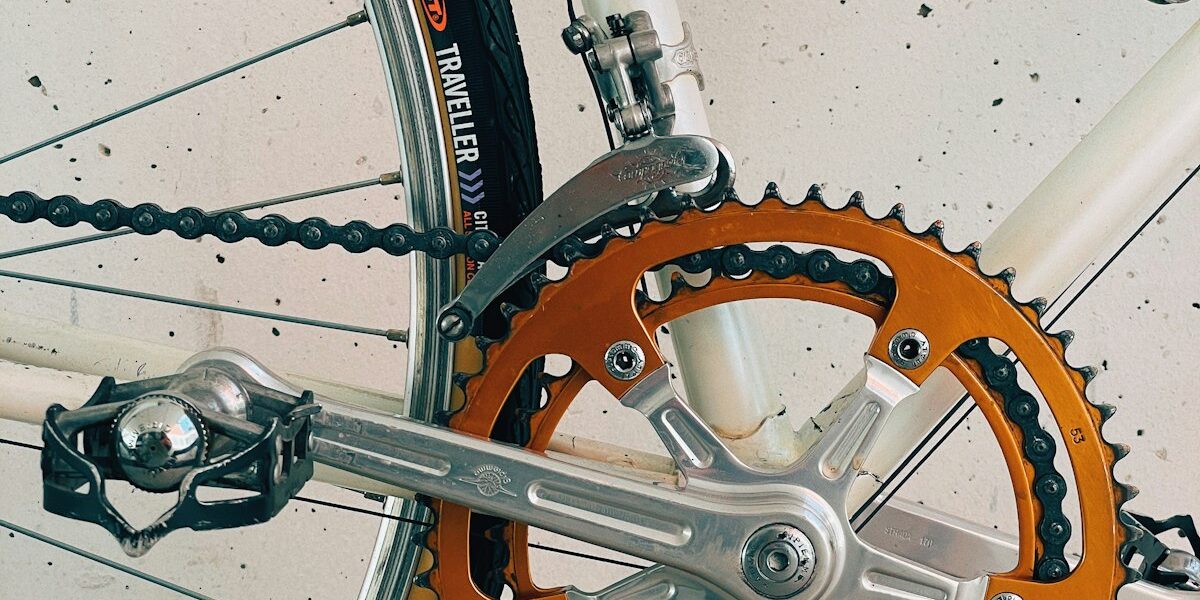
Scott didn’t cut corners on the build kit. Shimano handles the drivetrain duties, and higher-end models come spec’d with Ultegra components — which are known for precise, reliable shifting that holds up over thousands of miles. The caliper brakes offer solid modulation and stopping power. They’re not disc brakes, which some people see as a downside, but they work well and keep the weight down.
Tires and Wheels
Good wheels matter more than most people realize. The CR1 Pro typically comes with lightweight, aerodynamically designed wheelsets that help maintain speed and transfer power efficiently. The tires are usually picked to match the endurance vibe of the bike — grippy enough for confidence in corners and tough enough to resist punctures on long rides where a flat would really ruin your day.
Saddle and Contact Points
Saddle comfort is such a personal thing, but the stock saddle on the CR1 Pro is designed with endurance in mind. Most models also come with an adjustable stem and handlebars so you can fine-tune your position. Getting the contact points right — saddle, bars, pedals — makes a bigger difference to ride quality than any component upgrade you could buy. It’s worth spending time dialing this in.
Application and Suitability
The CR1 Pro works well for a range of riders. It’s a natural fit for road cyclists who do a mix of training rides, weekend group rides, and maybe some endurance events or gran fondos. If you’re new to road cycling and want something that won’t punish you for spending four hours in the saddle, this is a great option. It’s also solid for experienced riders who’ve realized that comfort and performance aren’t mutually exclusive.
Maintaining the Scott CR1 Pro
Keeping a CR1 Pro running well isn’t complicated, but it does take some regular attention. Keep the drivetrain clean and lubricated — a dirty chain is the fastest way to wear out your cassette and chainring. Check your wheels for spoke tension and trueness every so often, especially after hitting a pothole. Give the frame a good look-over periodically for any signs of damage, particularly after a crash or a rough ride. And don’t neglect your brake pads and cables — they’re cheap to replace but expensive to ignore.
Tuning and Adjustments
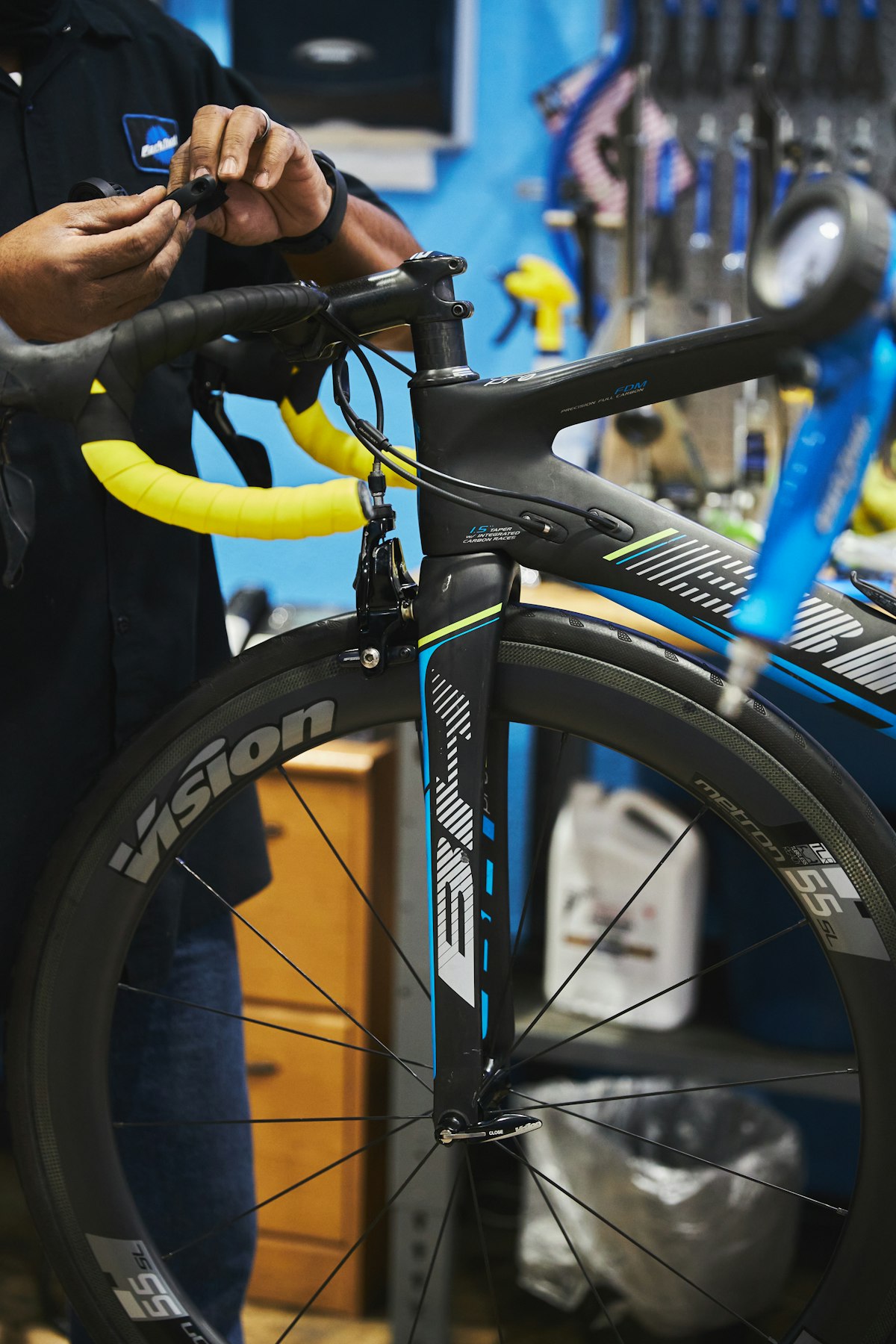
Getting the fit right is everything. Start with handlebar height and saddle position — those are the basics that affect comfort the most. Periodically check your derailleur adjustment to keep shifts clean. And if you haven’t done a professional bike fit, seriously consider it. Even small changes to saddle height, cleat position, or stem length can make a huge difference in how the bike feels over long distances.
Considerations When Purchasing
Before you pull the trigger, think about what kind of riding you actually do. If most of your rides are endurance-focused — long miles, mixed terrain, maybe some sportives — the CR1 Pro is a great match. If you’re mostly doing criteriums and short, aggressive races, you might want something with sharper geometry. The investment in a quality bike like this is worth it if you’re going to ride it regularly, but make sure you’re buying the right tool for how you actually ride.
If possible, test ride one before you buy. No amount of reading specs online replaces the feeling of actually riding a bike for 20 minutes. And compare it with similar bikes from other brands — Specialized Roubaix, Trek Domane, Canyon Endurace — to see where the CR1 Pro fits in terms of value and feel for you personally.