Bike Servicing Checklist
Bike Servicing Checklist
Bike servicing has gotten complicated with all the different opinions flying around — some folks say monthly, some say weekly, and your buddy who races says he checks his bike before every single ride. Here’s the deal: a little regular attention goes a long way toward keeping your bike running smooth and catching problems before they strand you on the side of the road. I put together this checklist based on what I actually do in my garage, not just what a manual says.
Pre-Servicing Preparation
Before you start, get your tools together. Nothing’s worse than being elbow-deep in a drivetrain and realizing you need a hex key that’s in the other room. Basic tools include hex keys, screwdrivers, wrenches, cleaning rags, chain lubricant, and a bike-specific cleaning solution. Set up in a clean, well-lit space. If you’ve got a bike stand, even better — it makes everything way easier.
Frame Inspection
Start by cleaning the frame. Use a bike-specific cleaner to knock off the dirt and grime. Once it’s clean, actually look at it. Check for cracks, dents, or anything that doesn’t look right. Pay extra attention to the joints and welds — that’s where stress concentrates and where problems tend to show up first. Make sure all the decals and paintwork are intact too, since peeling paint can expose the frame to corrosion. If you spot any damage that worries you, get a professional opinion. Frame integrity is a safety thing, not something to gamble on.
Wheels and Tires
Give the tires a close look for wear and tear. Look for cracks, cuts, and any debris embedded in the tread. Check the tire pressure with a gauge and inflate to the recommended PSI — you’ll find that number on the tire sidewall. Then spin the wheels and watch for wobbles. If a wheel isn’t spinning true, it’s time to break out the spoke wrench. Make sure spoke tension feels consistent across the wheel. One loose spoke can lead to a bigger problem pretty quickly.
Brakes
Your brakes need to actually work — seems obvious, but you’d be surprised how many people ride with sketchy braking. Check the brake pads for wear. If they’re thinner than about 3mm, replace them. Make sure they’re aligned correctly with the rims or rotors, not rubbing the tire or sitting off-center. Check brake cables for fraying or rust. Give the moving parts a light lube. Then squeeze the levers — you should get a firm, immediate response. If the levers feel spongy or pull too far, something needs adjusting.
Gears and Drivetrain
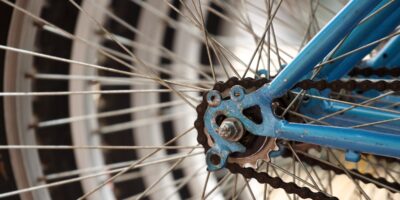
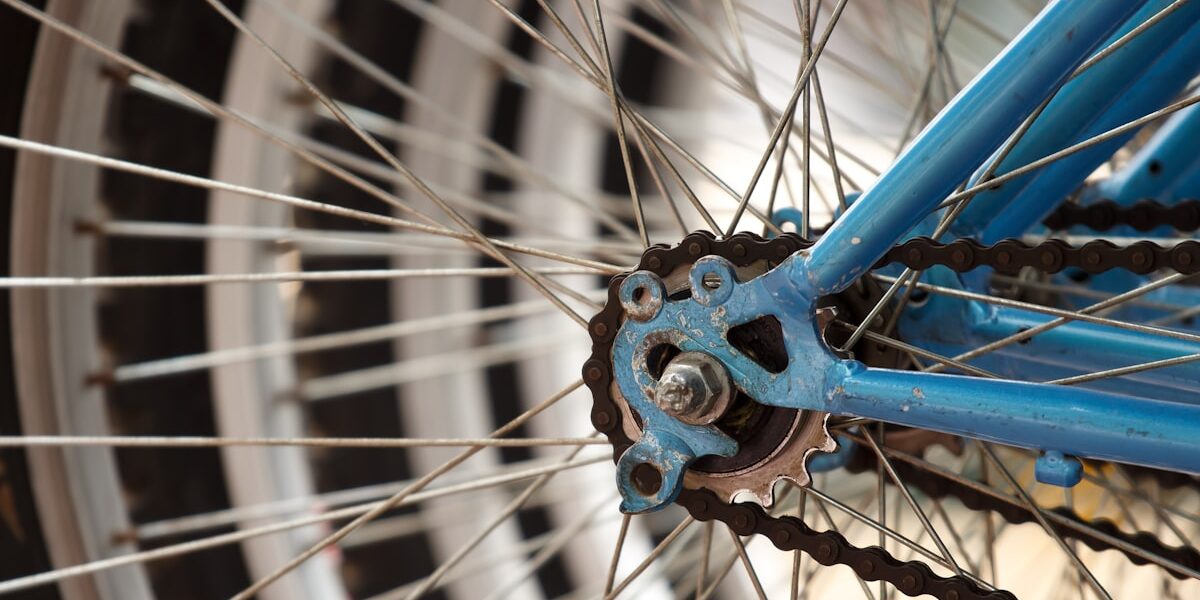
Probably should have led with this, because drivetrain issues are what I see people struggle with the most. Check your chain for wear using a chain checker tool — they’re cheap and save you from guessing. If it’s stretched, replace it before it eats your cassette and chainrings. Clean and lube the chain properly. Inspect the derailleurs for any damage or misalignment and tweak the settings until shifting is smooth. Look at the cassette, chainrings, and jockey wheels for wear too. Worn teeth look like shark fins — if you see that, it’s time for new parts.
Pedals and Crankset
Check the pedals for smooth rotation. Any wobble or grinding? Tighten them or swap them out. Make sure the crank arms are firmly attached — loose cranks will click and creak with every pedal stroke, and it’s maddening. While you’re down there, check the bottom bracket for play. Spin the cranks and listen. Smooth and quiet is what you want. Anything else means the bottom bracket probably needs attention.
Headset and Handlebars
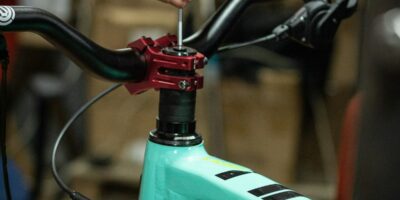
Check for smooth rotation in the headset by turning the bars side to side. Any grinding or notchiness means the bearings need work. If there’s play in the headset (grab the front brake and rock the bike — you’ll feel it), tighten it up. Make sure the handlebars are tight and pointed the same direction as the front wheel. That sounds silly, but slightly misaligned bars are more common than you’d think. Check the bar tape or grips for wear, and replace them if they’re getting ratty. Also make sure your brake and shift levers are positioned where you want them and locked down tight.
Suspension
If your bike has suspension, give it some love. Clean the stanchions — dirt on those is the enemy of smooth action. Check for any signs of oil leaking around the seals. Inspect those seals for nicks or damage while you’re at it. Adjust the compression and rebound settings to match how you like to ride. Don’t forget to check the suspension pivot points and hit them with some lube if they’re feeling stiff. A well-maintained fork and shock make a huge difference on the trail.
Seat and Seatpost
Make sure the seat is level and locked down. A saddle that slowly tilts forward during a ride is incredibly annoying. Check the seatpost for scratches or scoring — those can make it stick or slip. A little lube on the seatpost prevents seizing, especially if it’s an aluminum post in a steel frame. Make sure the seat clamp holds tight and the saddle stays where you set it. And if your saddle is worn out or uncomfortable? Life’s too short for a bad saddle. Replace it.
Final Checks
Give the whole bike a final wipe-down. Go over every bolt and screw you can find — stem, handlebars, seat, wheels, racks, bottle cages — and make sure they’re snug. Check that your reflectors and lights actually work (batteries die at the worst times). Look over any accessories like racks, fenders, or panniers. Then take it for a short test ride around the block. Shift through the gears, hit both brakes, listen for weird noises. That five-minute ride tells you more than twenty minutes of staring at the bike in the stand.
Recommended Frequency
- Weekly: Basic cleaning, chain lube, and a tire pressure check. Takes maybe fifteen minutes.
- Monthly: Thorough inspection of brakes and gears, with adjustments as needed.
- Quarterly: Full servicing including the drivetrain, suspension, and bearing checks.
- Annually: Get a professional service for the stuff that’s hard to do at home. They’ll catch things you might miss.
That’s what makes a good servicing routine endearing to riders who put real miles on their bikes — it keeps small problems from becoming big ones. Stick to this checklist and your bike will thank you with smoother rides and fewer surprises. Regular maintenance extends the life of just about every part on your bike, and honestly, there’s something satisfying about knowing your machine is dialed in and ready to go whenever you are.