Simple Bike Maintenance Tips
Bike maintenance has gotten complicated with all the product recommendations and gear debates flying around. But honestly? Keeping your bike happy doesn’t require an engineering degree or a garage full of specialty tools. I learned most of what I know from making mistakes — like the time I forgot to lube my chain before a 40-mile ride and spent the last ten miles listening to what sounded like a dying robot. Don’t be me. A few basic habits can keep your ride running great and save you from some embarrassing trailside moments.
Check Tire Pressure Regularly
Riding on soft tires is like running in sand — it’s harder than it needs to be, and you’re begging for a flat. Check the recommended pressure printed on the tire sidewall. Get yourself a decent pump with a pressure gauge built in. Inflate your tires to the right range before you head out. This is especially important before long rides, because there’s nothing worse than going soft twenty miles from home.
Inspect the Chain
Your chain does an incredible amount of work, and it’ll let you know when it’s unhappy. A dry or gunky chain leads to sloppy shifting, extra wear on your cassette and chainrings, and that annoying squeaking that makes everyone at the coffee stop stare at you. Clean your chain every couple of weeks — more often if you’re riding in rain or mud. Use a chain cleaner or degreaser to get the grime off. Once it’s clean, apply a good bike-specific lubricant. Then wipe off the excess, because a goopy chain just picks up more dirt.
Check the Brakes
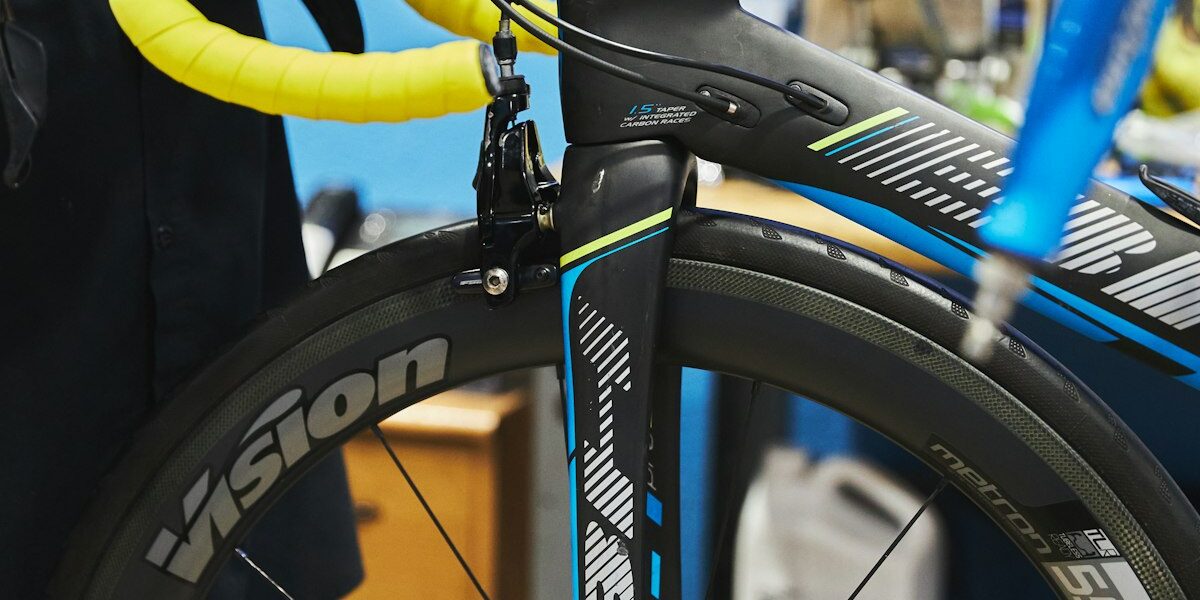
Brakes are your number one safety feature. Period. Take a regular look at your brake pads. If they’re worn down to the indicator lines, swap them out. Pick out any bits of road debris that might be lodged in the pads. Make sure the cables are tight enough that the brakes actually bite without you having to death-grip the levers. And test your brakes before every single ride. It takes two seconds and it’s worth it.
Adjust the Derailleurs
If your shifting feels crunchy or hesitant, the derailleurs probably need a little attention. First thing — check if the derailleur hanger is straight. A bent hanger is the silent killer of good shifting. Then adjust the high and low limit screws on both derailleurs. Fine-tune the cable tension with the barrel adjuster. Probably should have led with this: most shifting problems are just cable tension issues, and the barrel adjuster fixes them in seconds. A drop of lubricant on the derailleur pivots keeps everything moving freely too.
True the Wheels
Notice a wobble when your wheels spin? They might need truing. This means adjusting spoke tension to straighten the rim back out. You can try it yourself with a spoke wrench — there are plenty of solid tutorials out there. But if the wobble is bad, take it to a bike shop. A pro with a truing stand will sort it out faster and more accurately than most of us can at home.
Keep Bolts Tight
Road vibrations slowly loosen things over time. Make it a habit to check the important bolts on your bike — stem, handlebars, seat post, brakes. Use a torque wrench if you have one, so you’re tightening to the manufacturer’s specs. But don’t go Hulk on them. Over-tightening can crack or strip components, and that’s an expensive lesson.
Lubricate Moving Parts
The chain gets all the attention, but other parts need love too. The pivot points on your derailleurs, brake levers, and shifters all benefit from a light touch of lubricant. Apply sparingly and wipe off any excess — you want a thin film, not a puddle. That’s what makes regular lubrication endearing to your bike’s components — everything just works smoother and lasts longer.
Clean Your Bike Regularly
Dirt and grime are slowly grinding away at your bike’s parts. Regular cleaning stops that from happening. Grab a soft brush, some mild soap, and water. Don’t aim a pressure washer at your bike — it forces water and grit into bearings and sealed areas. Rinse everything off, dry it with a clean cloth, and then re-lube the chain and moving parts. Your bike will thank you with smoother, quieter rides.
Inspect Tires for Wear
Give your tires a close look regularly. Check for cuts, cracks, or little bits of glass or wire embedded in the rubber. Tires that are worn down lose grip and are way more likely to flat on you. If the tread is thin or the sidewalls look cracked, it’s time for new rubber. Fresh tires make a surprising difference in how confident the bike feels.
Check for Loose Spokes
Loose spokes are trouble waiting to happen. They can lead to a wheel going out of true, or worse, a spoke breaking mid-ride. Squeeze pairs of spokes together to feel for any that are floppy or noticeably looser than the others. Tighten any loose ones with a spoke wrench, but be careful to keep the wheel true while you work.
Adjust Saddle Height
Getting your saddle height right makes a huge difference in comfort and pedaling power. Here’s a quick way to check: sit on the bike and put your heel on the pedal at the bottom of the stroke. Your leg should be almost fully straight. If it’s bent a lot, raise the saddle. If you’re reaching or rocking your hips, lower it. Small tweaks here can eliminate knee pain and make longer rides a lot more enjoyable.
Check Headset for Play
A loose headset makes your steering feel vague and wobbly — not great when you’re bombing downhill. To check, grab the front brake and rock the bike forward and back. Feel a clunk or knocking? The headset needs tightening. Use the right wrench to snug it up, but don’t overdo it. You want it tight enough to eliminate play but loose enough that the bars still turn freely.
Inspect Frame and Fork
- Look for any cracks or dents in the frame and fork — even small ones.
- Pay special attention to weld joints and high-stress areas where tubes meet.
- If you find damage, get it looked at by a professional right away. Don’t ride a compromised frame.
Replace Worn Components
- Beyond tires and brake pads, keep an eye on cables, chainrings, and your cassette.
- These parts wear gradually, so inspect them regularly and replace when they’re past their prime.
- Riding on worn-out parts causes extra damage to other components — it’s a domino effect that gets expensive fast.
Store Your Bike Properly
How you store your bike matters more than most people think. Keep it in a dry spot, away from extreme heat or cold and direct sun. If it has to live outside, use a good bike cover. A clean, dry bike resists rust and corrosion way better than one left dripping in the rain.
Use Correct Tools
Using the wrong tool is a fast track to rounded bolts and stripped threads. Invest in a basic bike tool kit — hex wrenches, a chain tool, tire levers, a spoke wrench. Nothing fancy, just the right stuff. Get familiar with each tool so you’re not fumbling around when something needs fixing.
Know When to Seek Professional Help
- Not every job is a DIY job, and there’s no shame in that.
- If you hit a problem that’s beyond your tools or know-how, take it to a good bike shop.
- Regular professional tune-ups catch things you might miss and keep your bike performing at its best.