Brake Bleeding: Restore Full Stopping Power
Hydraulic disc brakes deliver powerful, consistent stopping power, but they require periodic bleeding to remove air bubbles from the system. Air in hydraulic lines causes spongy lever feel and reduced braking performance. This guide covers the complete brake bleeding process for Shimano and SRAM systems.
When to Bleed Your Brakes
- Lever feels spongy or pulls close to handlebar
- Inconsistent braking power
- After replacing brake hoses or calipers
- After any work that opened the hydraulic system
- Annually as preventive maintenance
- Visible air bubbles in reservoir
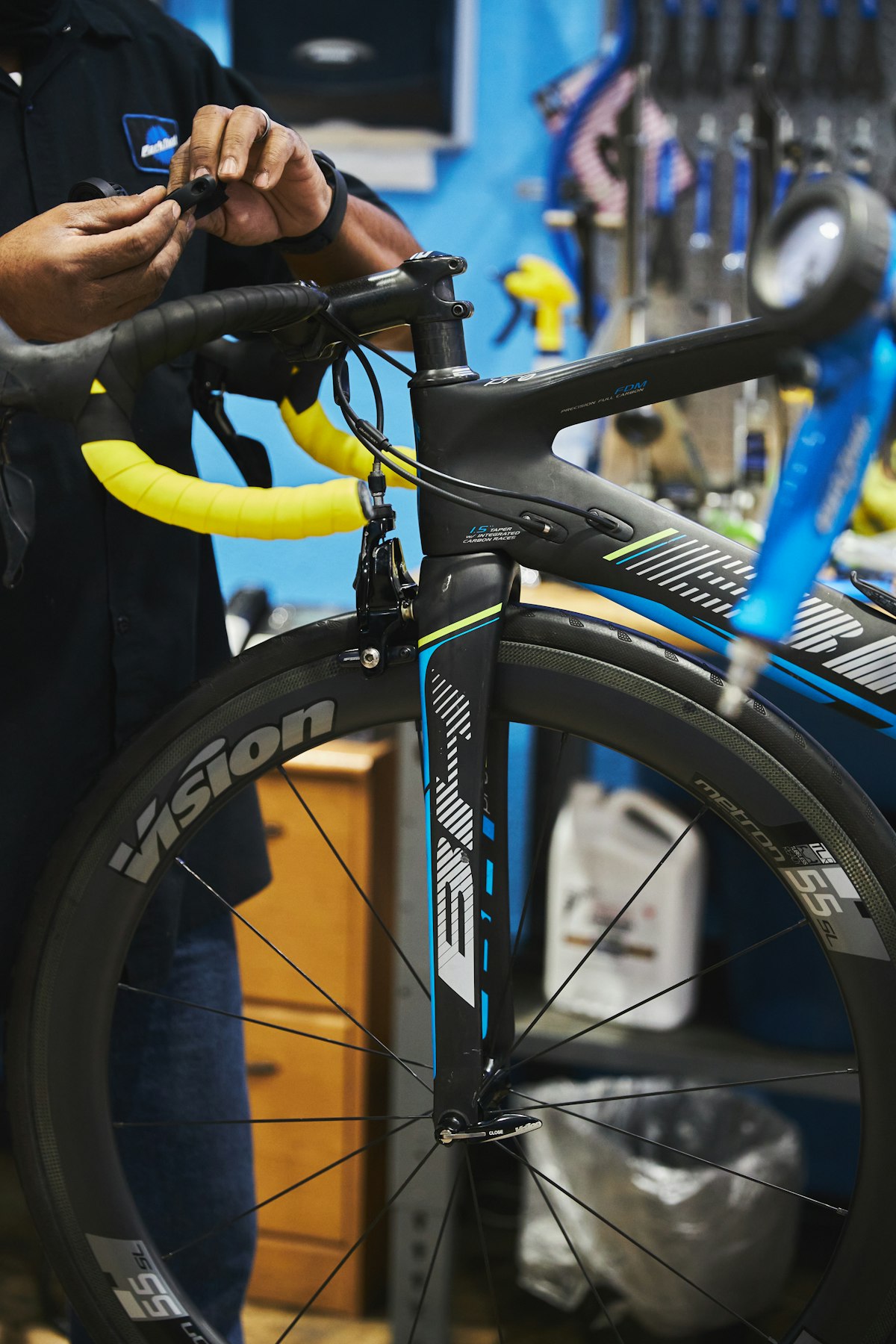
Tools and Supplies Needed
Essential Tools:
- Bleed kit specific to your brake brand (Shimano or SRAM)
- Correct brake fluid (mineral oil for Shimano, DOT fluid for SRAM/Avid)
- Bleed block or pad spacer
- Isopropyl alcohol and clean rags
- Torx and hex wrenches
- Gloves and eye protection
Warning: Never mix fluid types. Shimano uses mineral oil; SRAM uses DOT 5.1 fluid. Using the wrong fluid destroys seals and requires complete brake replacement.
Shimano Brake Bleeding Process
Step 1: Prepare the Brake
- Remove wheel and brake pads
- Insert bleed block between pistons
- Position bike so lever reservoir is highest point
- Remove lever bleed port screw
- Remove caliper bleed nipple cap
Step 2: Connect Bleed Syringes
- Fill one syringe with mineral oil, remove air bubbles
- Attach syringe to caliper bleed nipple
- Attach empty syringe to lever bleed port
- Open caliper bleed nipple 1/4 turn
Step 3: Push Fluid Through System
- Slowly push fluid from caliper syringe upward
- Watch for air bubbles exiting at lever
- Continue until fluid runs clear with no bubbles
- Tap hose and caliper gently to dislodge trapped air
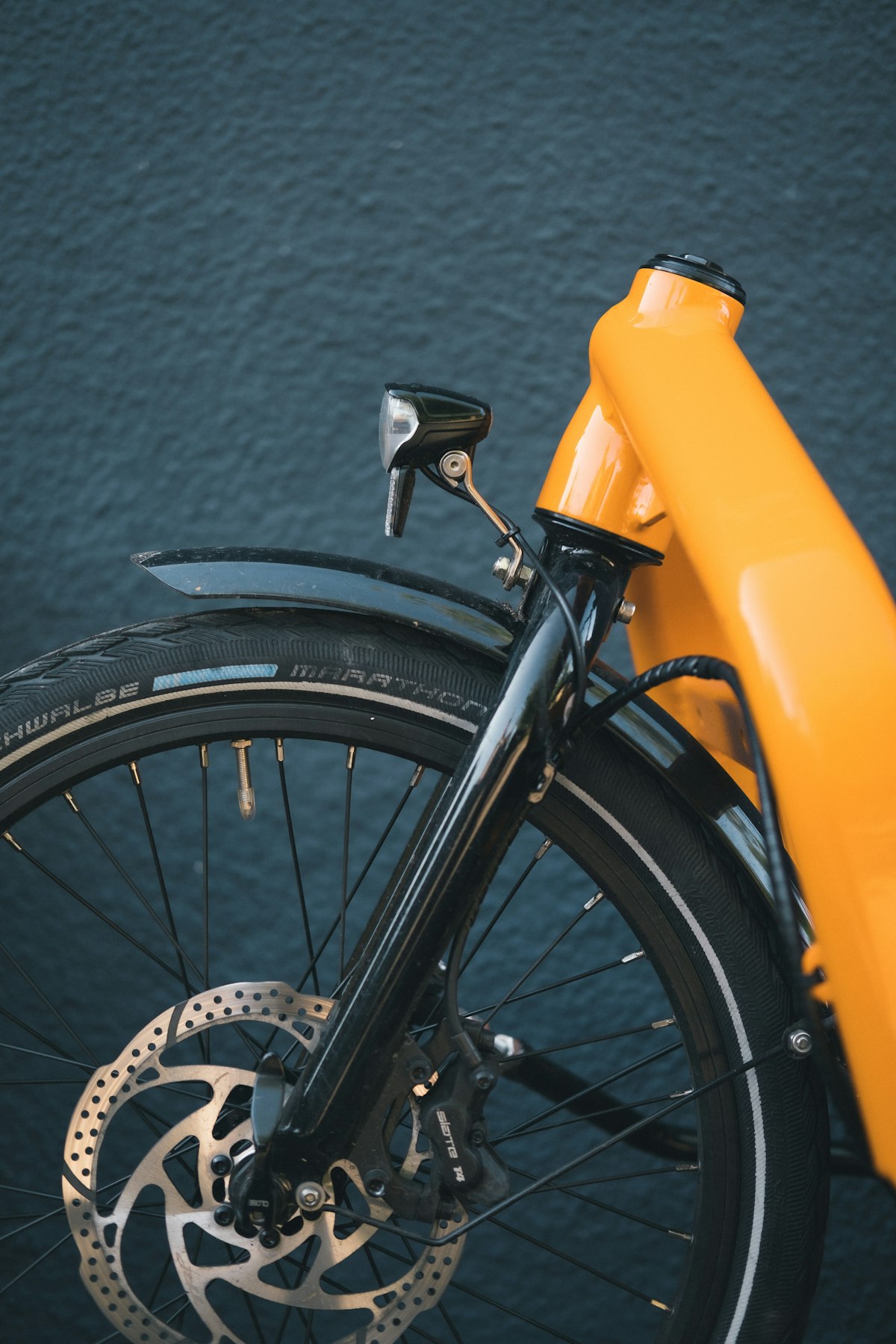
Step 4: Finalize and Test
- Close caliper bleed nipple
- Remove syringes carefully
- Replace bleed port screws
- Clean any spilled fluid immediately
- Reinstall pads and wheel
- Pump lever several times to set pad position
- Test brake function before riding
SRAM Brake Bleeding Process
SRAM brakes use DOT fluid and a different bleeding procedure:
- Remove wheel, pads, and insert bleed block
- Level the bike with lever horizontal
- Remove lever bleed screw and caliper bleed fitting
- Attach DOT-compatible bleed syringe to caliper
- Attach empty syringe to lever port
- Push fluid slowly from caliper to lever
- Pull and push syringes alternately to move bubbles
- Close fittings, remove syringes, clean thoroughly
Troubleshooting Persistent Sponginess
- Air trapped at caliper: Tap caliper body while bleeding
- Air in lever assembly: Angle lever to position reservoir bubble at bleed port
- Contaminated fluid: Complete system flush with fresh fluid
- Damaged seals: If bleeding doesn’t help, seals may need replacement
Safety and Cleanup
- DOT fluid damages paint – clean spills immediately
- Never get fluid on brake pads or rotors
- Dispose of used fluid properly
- Wash hands thoroughly after handling DOT fluid
- Store fluid in sealed containers away from moisture
Properly bled brakes provide firm lever feel and maximum stopping power. If you’re uncomfortable with the process, professional shops typically charge $30-50 per brake for bleeding service.