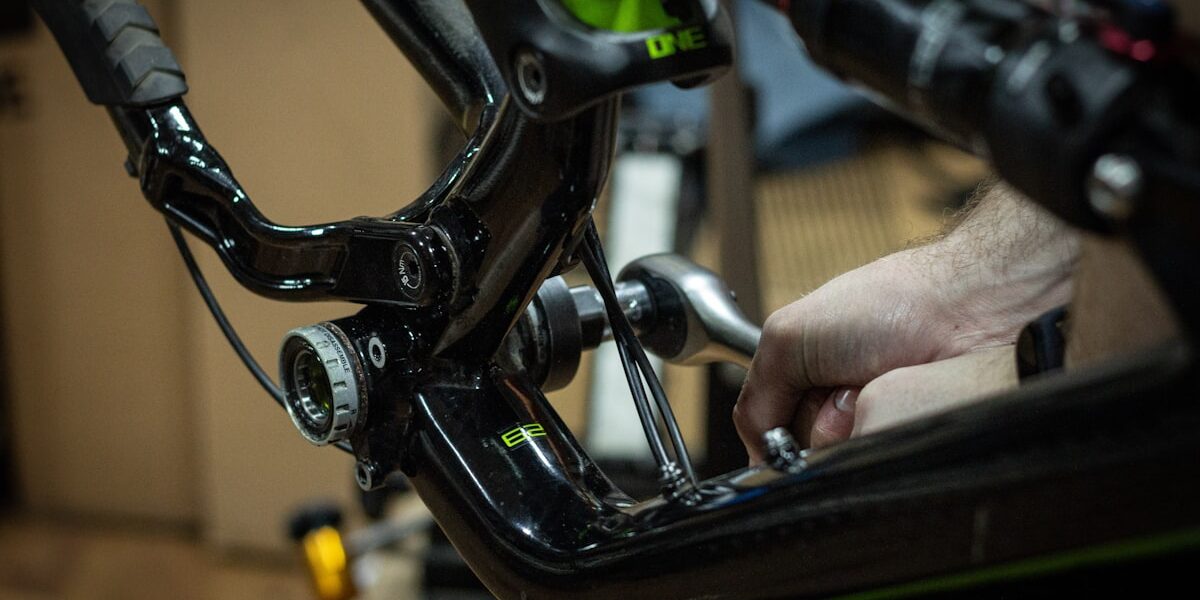
Shimano Nexus 8 is a good internal-gear-hub system for city, utility and low-maintenance commuter bikes when its 307% gear range, weight and frame compatibility suit the rider. It is not one universal hub: the current Nexus INTER-8 family includes variants for different brake systems, axle dimensions and applications. Choose by exact model number, not by the words “Nexus 8” alone.
The main appeal is an enclosed eight-speed gear mechanism, a straight chainline and the ability to select a different gear while stopped. The tradeoffs are more rear-hub weight, a narrower range than many wide-range derailleur drivetrains, specialized installation parts and internal service that may be better handled by an experienced shop.
Shimano Nexus 8 review summary
| Category | Assessment |
|---|---|
| Best use | Urban commuting, errands, utility bikes and moderate terrain |
| Gear range | 307% on the current Nexus INTER-8 models listed by Shimano |
| Shifting | Eight internal ratios; reduce pedal force during shifts for smoother engagement |
| Weather exposure | Internal gears are enclosed, but the cable, cassette joint, chain, sprocket, seals and brake still need inspection |
| Maintenance | Less routine derailleur alignment, but not maintenance-free; follow the exact model’s Shimano manual |
| Compatibility | Requires the correct hub variant, shifter, cassette joint, sprocket/chain setup, non-turn washers, dropout arrangement and brake parts |
| Main drawbacks | Rear weight, limited range for steep or fast terrain, model-specific service and conversion cost |
Nexus 8 is a product family, not a single hub
Shimano’s current specifications list several Nexus INTER-8 configurations. Examples include roller-brake, coaster-brake, CENTER LOCK disc and rim-brake-oriented variants. Model suffixes matter. An SG-C6001-8R, SG-C6001-8C, SG-C6001-8D and SG-C6001-8V do not have identical brake interfaces or every identical dimension.
Use the model number stamped on the hub shell and check it in Shimano’s current internal geared hub specifications. Do not order a replacement wheel, brake or small parts from a generic Nexus 8 description.
Gear range and ratios
Shimano specifies a 307% total range for its current INTER-8 family. Fifth gear is the 1:1 ratio. The listed internal ratios run from 0.527 in first gear to 1.615 in eighth. That gives closer steps than a very wide mountain-bike cassette, but the complete bike’s climbing and top gears also depend on the chainring and rear sprocket.
A 307% hub is not automatically “enough for hills” or “too short.” Rider strength, total bike/cargo weight, wheel size, chainring-to-sprocket ratio and gradient determine the real gearing. Before buying, calculate gear inches or rollout for the exact proposed setup and compare the lowest gear with one you already use comfortably.
Do not install an arbitrarily small chainring or large sprocket to chase a lower gear. Shimano can specify minimum primary-drive ratios for hub applications so that excessive input torque does not damage the mechanism. Follow the dealer manual for the exact hub and bicycle configuration.
How Nexus 8 shifting feels
An internal hub can select a gear while the bicycle is stationary, which is helpful after an unexpected stop. On the move, shift with reduced pressure on the pedals. Trying to force a change while applying maximum climbing torque can produce poor engagement and stress the system, even when a product is designed to manage high chain tension.
Some clicking or mechanical sounds can be normal in particular gears, but new grinding, slipping, repeated missed shifts or crank rotation without drive needs diagnosis. Do not continue applying heavy load when the hub slips; confirm cable adjustment and installation before assuming internal failure.
Advantages for commuter and utility bikes
Protected gear mechanism
The planetary gears sit inside the hub rather than beside the wheel. That protects the shifting mechanism from direct impacts and reduces exposure compared with an external derailleur. It does not seal the entire drivetrain from weather: the chain, sprocket, cable and cassette joint remain external.
Straightforward external drivetrain
A single rear sprocket and single chainring can simplify chainline and remove the rear derailleur from vulnerable curb and rack locations. Chain tension still has to be correct, and the method depends on the frame. Horizontal or sliding dropouts can provide adjustment; some vertical-dropout frames require a suitable tensioner or another approved arrangement.
Stop-and-go shifting
Selecting a lower gear while stopped is useful in city traffic. The gear may not fully engage until the pedals begin moving, so start smoothly rather than stomping on the pedal immediately after a stationary shift.
Brake options
The family’s brake variants make Nexus 8 usable on different city-bike designs. That variety is also a compatibility trap: a frame, fork, brake lever and hub must form a correct braking system. A roller-brake hub is not interchangeable with a CENTER LOCK disc setup merely because both say Nexus 8.
Limitations to consider
Range is moderate rather than expedition-wide
The 307% range works well for many urban routes, but loaded cargo use, very steep hills or high-speed riding may benefit from a wider system. Compare the lowest and highest resulting gears rather than counting speeds.
Weight is concentrated at the rear
For example, Shimano lists the SG-C6001-8V hub at an average 1,735 grams before rim, spokes, sprocket and other wheel parts. Exact models differ. The weight is less important on many utility bikes than on a bike frequently carried upstairs or accelerated hard.
Flat repair and wheel removal require familiarity
Rear-wheel removal can involve the shift cable/cassette joint, axle nuts, non-turn washers, chain tension and the selected brake system. Photograph washer orientation before disassembly and follow the dealer manual. Incorrect non-turn washer placement or axle tightening can affect shifting and wheel security.
Internal service is specialized
Cable adjustment and external inspection are accessible to many home mechanics. Internal-unit lubrication and repair require the right materials, procedures and cleanliness. A shop familiar with Shimano internal-gear hubs can be worth identifying before purchase.
Frame and component compatibility checklist
Before a Nexus 8 conversion, confirm all of the following:
- exact hub model and brake type;
- frame rear spacing and dropout geometry;
- axle length and adequate thread engagement;
- correct Shimano non-turn washers for dropout angle;
- compatible eight-speed Nexus shifter and cassette joint;
- approved sprocket, chainring and primary-drive ratio;
- chainline and chain-tension method;
- spoke count, rim, lacing and wheel strength;
- brake interface, reaction arm or disc components as applicable; and
- cable routing that does not bind through steering or suspension movement.
A blanket statement that Nexus 8 uses 135 mm spacing is incorrect. Shimano’s current product information, for example, lists 132 mm over-locknut dimension for the SG-C6001-8V, while other variants and legacy models can differ. Measure the frame and verify the exact hub.
Nexus 8 maintenance
“Sealed” does not mean maintenance-free. Shimano’s current dealer documentation recommends internal-unit lubrication once a year from the start of use, or about every 2,000 km for frequently used bicycles, with more frequent maintenance under harsh conditions. The manual calls for Shimano internal-geared-hub grease or the specified lubrication kit and warns that unsuitable products can cause shifting problems.
That maintenance procedure involves removing and handling the internal unit; it is not the same as dripping chain oil into an opening. Use the dealer manual linked from the exact model’s product page. Also maintain the external chain, sprocket, cable, cassette joint and brake according to their instructions.
Routine checks
- Keep the chain clean, lubricated and correctly tensioned.
- Check the axle nuts and brake attachments to specified torque.
- Inspect the shift cable and housing for corrosion, damage or binding.
- Confirm the cassette-joint setting marks as specified for the model.
- Investigate water entry, abnormal noise, play or slipping promptly.
What a Nexus 8 conversion really costs
Budget for the complete system, not just the bare hub. A conversion can require wheel building or a complete wheel, shifter, cable, cassette joint, sprocket, chain, non-turn washers, brake parts, chain tensioning hardware and labor. Frame incompatibility can make a seemingly inexpensive hub a poor value.
No responsible review can promise that Nexus 8 will save money over a derailleur drivetrain. Value depends on local service pricing, mileage, weather, component wear, existing parts and whether a compatible bike is being purchased complete.
Who should buy Shimano Nexus 8?
It is a strong fit for:
- commuters who value stop-and-go shifting and an enclosed mechanism;
- utility riders whose terrain fits a properly selected 307% range;
- year-round bikes where derailleur exposure is undesirable; and
- buyers choosing a complete bike engineered around the hub.
Consider another drivetrain when:
- the route needs substantially wider gearing;
- low weight and quick rear-wheel removal are priorities;
- local internal-hub service is unavailable;
- the frame or brake system is not safely compatible; or
- a conversion costs more than a suitable complete bicycle.
Verdict
Shimano Nexus 8 is a practical, well-defined commuter system—not a universal upgrade. Its 307% range, protected internal mechanism and stationary gear selection are useful, but the exact model and the entire bicycle setup determine whether it works well. Buy only after checking the model-specific Shimano specifications and service documents.
If a fitted hub is skipping or refuses to select gears, use our separate Shimano Nexus 8 shifting diagnostic before changing internal parts.


Stay in the loop
Get the latest bike maintenance pros updates delivered to your inbox.