A couple of years ago, a friend asked me to help him fix up an old tricycle he’d found at a garage sale. I figured, how different could it be from a regular bike? Turns out there are a few quirks, but the core maintenance is pretty much the same. Whether you’re keeping up a bicycle or a tricycle, the basics apply. Here’s what I’ve learned from doing it myself — no shop manual required.
**1. Regular Cleaning:**
Dirt piles up. It gets into your gears, cakes onto your chain, and turns your frame into a gritty mess. A bucket of soapy water and a soft brush are all you need. Scrub down the frame, wheels, and all the bits in between. Skip the pressure washer though — forcing water into bearings is a great way to ruin them slowly. Just hand-wash it and you’re good.
**2. Tire Maintenance:**
Check your tires before rides. Look for cuts, embedded glass, little rocks stuck in the tread — anything that could cause a flat down the road. Keep them inflated to the pressure listed on the sidewall. For tricycles specifically, pay attention to even wear across all three tires. Trikes carry more weight and distribute it differently, so one tire wearing faster than the others can throw off your stability. That’s what makes tricycle ownership endearing to practical riders — they’re sturdy and capable, but they do ask for a little extra tire attention.
**3. Lubrication:**
Moving parts need lube. The chain, the derailleur, the gear mechanisms — all of them. Use a bike-specific lubricant and go easy on it. A thin coat is all you need. Too much lube actually makes things worse because it attracts dirt, which then grinds away at your chain and gears. Apply, wait a minute, wipe off the excess. Done.
**4. Brake Systems Check:**
Your brakes need to work. Full stop. (Pun intended.) Check the pads — are they worn down? Replace them. Look at the cables on mechanical systems — frayed or sticky? Time for new ones. Hydraulic brakes? Watch for any signs of fluid leaking. Make sure the pads contact the rim or rotor cleanly without dragging when you’re not braking. This is one of those things where spending five minutes checking could save you from a really bad situation.
**5. Inspect and Tighten Bolts:**
Vibrations from riding loosen bolts over time. It’s just physics. Grab a wrench and go through the wheels, handlebars, seat post, and any other fasteners you can find. Snug them up but don’t overdo it — you can strip threads or snap a bolt if you go too hard. A quick bolt check every few rides takes about two minutes.
**6. Gear Adjustments:**
If your gears are grinding, clicking, or skipping, something’s off. Probably should have led with this, since gear problems tend to annoy people the most. Listen for weird noises when you shift. The barrel adjuster on your derailleur lets you fine-tune cable tension without any special tools. Small turns, test ride, repeat. If it’s still acting up after a few tries, a shop visit is worth it.
**7. Check the Wheel Alignment:**
Spin your wheels and watch them. They should rotate smoothly without wobbling side-to-side or up-and-down. A little wobble is normal on older wheels, but anything obvious means the wheel needs truing. This is one of those tasks that’s doable at home if you have a spoke wrench and patience, but a bike shop can knock it out quickly if you’d rather not bother.
**8. Inspect the Chain and Sprockets:**
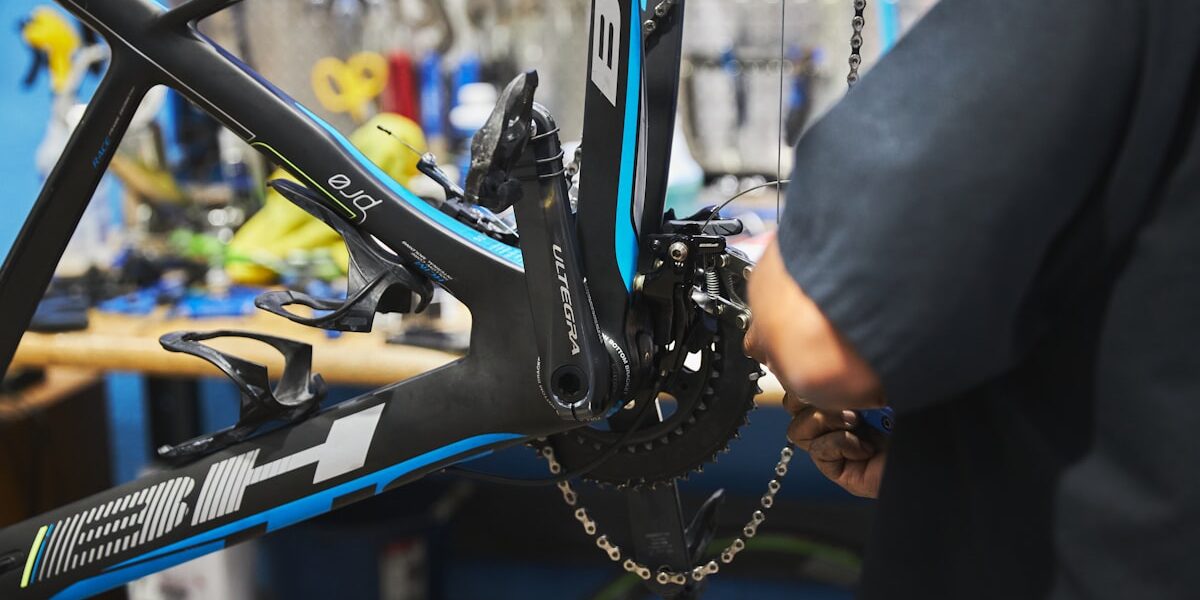
Chains stretch over time. Not a lot, but enough to affect shifting and wear down your sprockets. Check for stiff links, rust, or obvious wear. If the chain has stretched beyond its useful life (a chain checker tool costs about ten bucks and makes this easy), replace it before it chews up your cassette and chainrings. That’ll save you money in the long run.
**9. Saddle Adjustment:**
Comfort matters. A lot. If your saddle’s too high, too low, or tilted at a weird angle, you’ll feel it within the first mile. Set it level, adjust the height so your leg has a slight bend at the bottom of the pedal stroke, and make sure it’s clamped tight. For trike riders, getting the saddle right is even more important since you’re often seated for longer stretches without standing up on the pedals.
**10. Storage:**
Keep your bike or trike somewhere dry when you’re not using it. A garage, a shed, a covered area — anything that keeps rain and direct sun off it. Avoid storing it near salt (looking at you, coastal and winter-climate riders) since salt eats through metal. If indoor storage isn’t an option, at least use a cover.
That’s the whole list. None of this takes specialized training or expensive equipment. Stay on top of these basics and your bicycle or tricycle will run well, ride safely, and last a long time. And if something feels over your head, there’s zero shame in taking it to a mechanic. That’s what they’re there for.


Leave a Reply