Exploring the Specialized Tarmac SL7
I remember the first time I threw a leg over a Tarmac SL7 at a demo day. My buddy had been raving about it for months, and I’d mostly tuned him out — figured it was just hype. Then I actually rode the thing. Within half a mile I was grinning like an idiot. That bike just goes.
The Specialized Tarmac SL7 is this remarkable blend of speed, aerodynamics, and handling that honestly doesn’t feel like it should be possible in one frame. It’s built for competitive cycling, sure, but it bridges the gap between race machine and everyday road bike in a way that works for both pros and weekend warriors.
The Design Behind Tarmac SL7
Specialized has decades of innovation under their belt, and the SL7 reflects all of that accumulated knowledge. The design pulls from feedback from professional riders and engineers, plus a ton of wind tunnel testing. The frame isn’t just light — it’s shaped to slice through the air with real precision.
The material matters a lot here. The SL7 uses FACT 12r carbon fiber, and this stuff delivers stiffness that translates directly into effective power transfer. Every pedal stroke feels lively and responsive. Compared to earlier Tarmac generations, this one strikes a balance between weight and aerodynamics that doesn’t ask you to compromise on either.
Integrated Aerodynamics and Weight
Aerodynamics weren’t tacked on at the end of the SL7’s design process. The lines are sleek, and they minimize drag while keeping the bike stable. This isn’t just about going faster — riders notice better control in crosswinds, which is a big deal if you’ve ever been caught sideways by a gust on a descent. Even the cables are routed internally to cut air resistance, giving the bike a cleaner profile overall.
Then there’s the weight. The Tarmac SL7 sits at roughly 6.8 kg for a typical complete build, which is right at UCI’s minimum weight restriction for racing. That kind of lightness means swift climbing and agile handling without sacrificing durability. The SL7 is as tough as it is feather-light, which isn’t always the case with super-lightweight frames.
Components and Tech: What’s Inside?
The frame gets all the attention, but the SL7’s components deserve just as much credit. It’s equipped with electronic shifting — Shimano Di2 or SRAM eTap depending on the build. Electronic shifting delivers precise, fast gear changes. No more clunky transitions; every shift is smooth and reliable, even under load.
The braking setup is equally impressive. Disc brakes give you consistent stopping power regardless of whether it’s dry, raining, or you’ve been through a puddle. That kind of reliability matters whether you’re bombing down a mountain switchback or sprinting into a finish.
Riding Experience and Performance
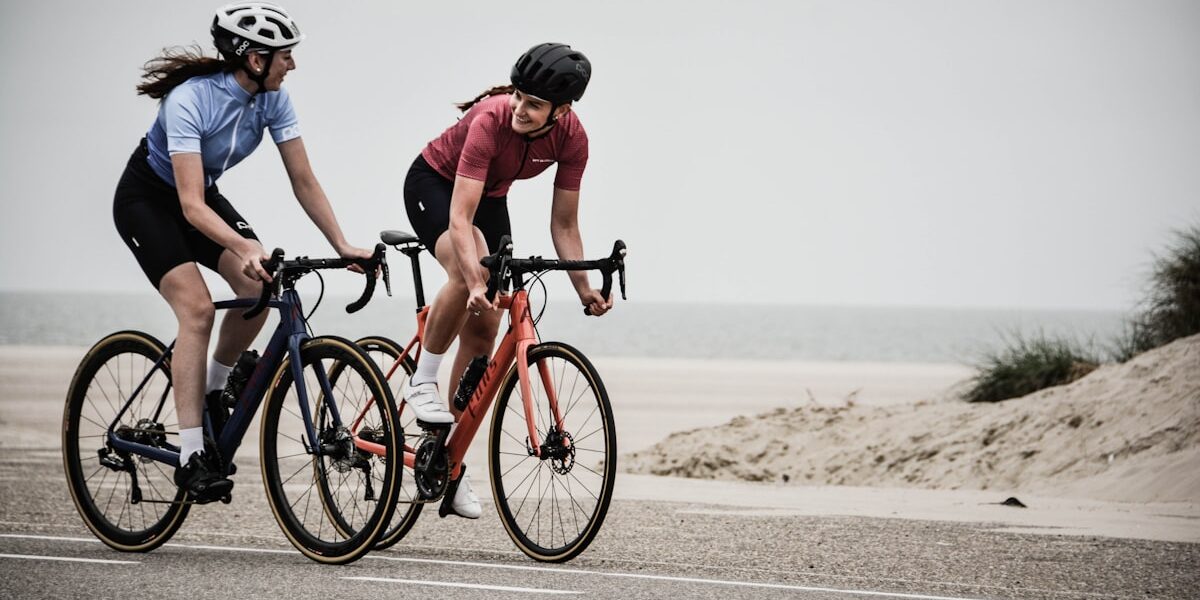
So what does all this actually feel like on the road? Riding the SL7 is intuitive in a way that’s hard to describe until you’ve experienced it. The bike reacts to even the subtlest inputs. Cornering is sharper, descents feel planted, and the acceleration is genuinely thrilling. It’s a bike that feels like an extension of your body rather than something you’re sitting on top of.
And comfort hasn’t been forgotten. Despite the race-focused geometry, the SL7 includes features that absorb road vibrations. The riding position keeps you efficient without destroying your back over long distances. That balance is a big deal for competitive cyclists who spend hours in the saddle, and honestly for anyone doing serious mileage.
Who Should Consider the Tarmac SL7?
Probably should have led with this — the Tarmac SL7 isn’t exclusively for elite racers. It’s for anyone who’s serious about cycling performance. If you crave speed and precision, you’ll find the SL7 exciting whether you’re racing crits or just doing long weekend rides and the occasional gran fondo.
That said, the SL7 does command a premium price given its advanced features. You’ll want to think about your riding goals, how often you’re actually getting out, and your budget. For riders committed to experiencing top-tier bike technology, though, the investment tends to pay off in smiles per mile.
Maintaining the Tarmac SL7
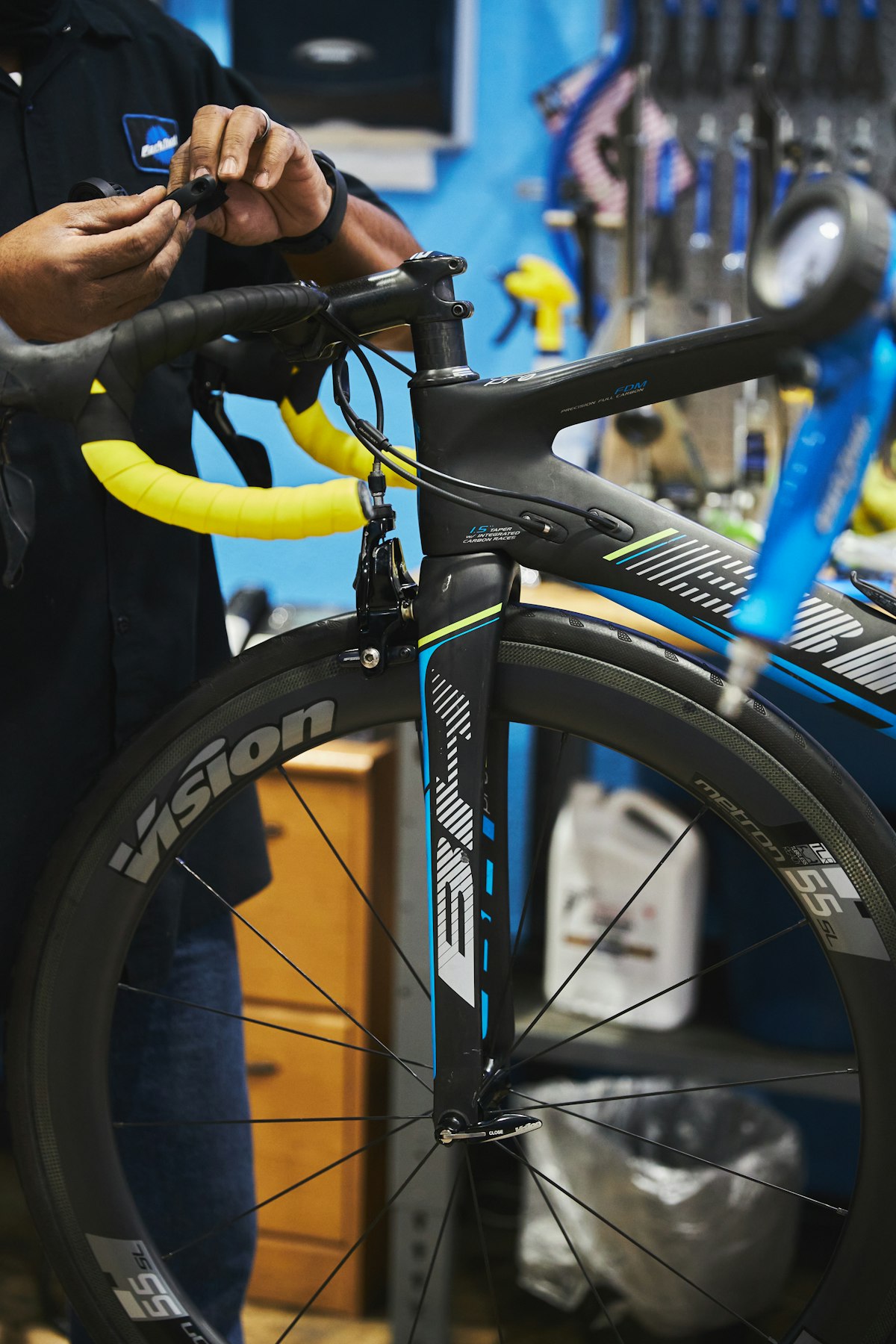
A high-end bike like this needs regular care. Routine check-ups keep all those fancy components performing at their best. Given the advanced tech involved, the SL7 may need a shop with some expertise for tune-ups and maintenance — though riders comfortable with bicycle mechanics can handle most of it with the right tools.
Storage matters too. Keeping the SL7 somewhere dry with stable temperatures reduces wear and tear on the frame and components. Good cleaning products go a long way toward preserving the finish and keeping everything running smoothly.
Comparison with Other Models
When you stack the Tarmac SL7 against bikes from other brands, it stands out for its all-round approach. Some competitors lean hard into aerodynamics, others obsess over minimal weight — the SL7 aims to balance both. Trek and Canyon have competitive models, each with their own strengths. But Specialized’s carbon technology and overall integration frequently put the SL7 at the top of conversations among serious cyclists.
Ultimately it comes down to personal preference and ride feel. Test rides can reveal which bike suits your style and goals best. Professionals often talk about how certain frames just “speak” to them once they’re on the road, and that’s honestly the best way to put it. Bike choice is surprisingly subjective at this level.
Parting Thoughts on the Tarmac SL7
The Specialized Tarmac SL7 represents where modern cycling has arrived. It’s a fusion of cutting-edge technology and real-world performance. With roots in professional racing, it brings elite-level features to the broader cycling community. The mix of speed, handling, and comfort makes it versatile enough for everything from stage races to casual centuries.
For those looking to step up their cycling game, the SL7 is a strong choice. It represents Specialized’s ongoing commitment to pushing boundaries. As bike tech continues to evolve, models like the SL7 set the bar for what everyone else is chasing.