Essential Bike Care Tips
Bike care has gotten complicated with all the YouTube debates and forum arguments flying around. Should you use wet lube or dry lube? Is a torque wrench really necessary? Do you actually need to clean your bike after every ride? I spent way too long overthinking all of this before I realized that the basics haven’t changed much. Whether you’re a weekend cruiser or logging serious miles, taking care of your bike isn’t hard — it just takes a little consistency. Here’s what actually matters.
Regular Cleaning
Dirt and grime pile up faster than you’d think, especially if you’re riding in anything other than perfect conditions. A clean bike isn’t just about looks — it genuinely runs better. Grab some mild detergent and warm water, then scrub down the frame, wheels, and components with a brush. Don’t use a pressure washer. Seriously. That high-pressure water blasts dirt into places it should never go. Dry everything thoroughly when you’re done to prevent rust from getting a foothold.
Lubricate the Chain
Your chain needs regular lube to run smoothly and quietly. Use a bicycle-specific lubricant — apply it to the chain while spinning the pedals backward so it gets into every link. Then wipe off the excess. Too much lube is a dirt magnet, and a dirty chain wears out faster. How often? Once a month is a decent baseline, but bump it up if you ride in rain or mud. Probably should have led with this, because a neglected chain is the number one thing that makes a bike sound and feel terrible.
Check Tire Pressure
Properly inflated tires make a massive difference in how your bike rides. Low pressure makes everything harder and increases your flat risk. Grab a tire pressure gauge and check before you head out. The right pressure range is printed on the tire sidewall. You want them firm but not rock hard — there’s a sweet spot that gives you grip and comfort at the same time.
Inspect Brakes
Your brakes are what stand between a controlled stop and an uncontrolled one. Look at the brake pads — are they worn down? Replace them if so. Check that the cables are taut and the levers give you solid resistance. Test the brakes by squeezing the levers and making sure they grip the wheel evenly and smoothly. This takes thirty seconds and it’s the most important pre-ride check you can do.
Check for Loose Parts
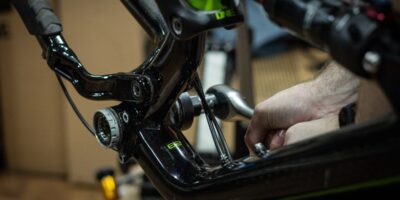
Loose parts turn small problems into big ones. Make a habit of checking bolts and screws on your handlebars, saddle, pedals, and wheels. Things vibrate loose over time — it’s just physics. Carry a multi-tool when you ride so you can snug something up if it starts rattling. That’s what makes a well-tightened bike endearing to anyone who’s dealt with a mysterious mid-ride clunk.
Keep the Drivetrain Clean
A grimy drivetrain saps your energy and grinds down your components. Clean the cogs, chainrings, and derailleur pulleys with a small brush and some degreaser. Rinse, dry completely, then apply a light coat of oil. It doesn’t take long, and the difference in how the bike shifts and pedals afterward is pretty dramatic.
Check Wheel Alignment
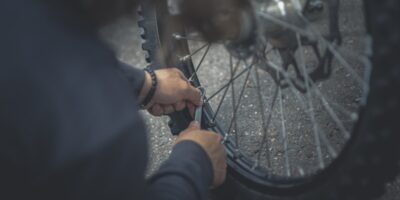
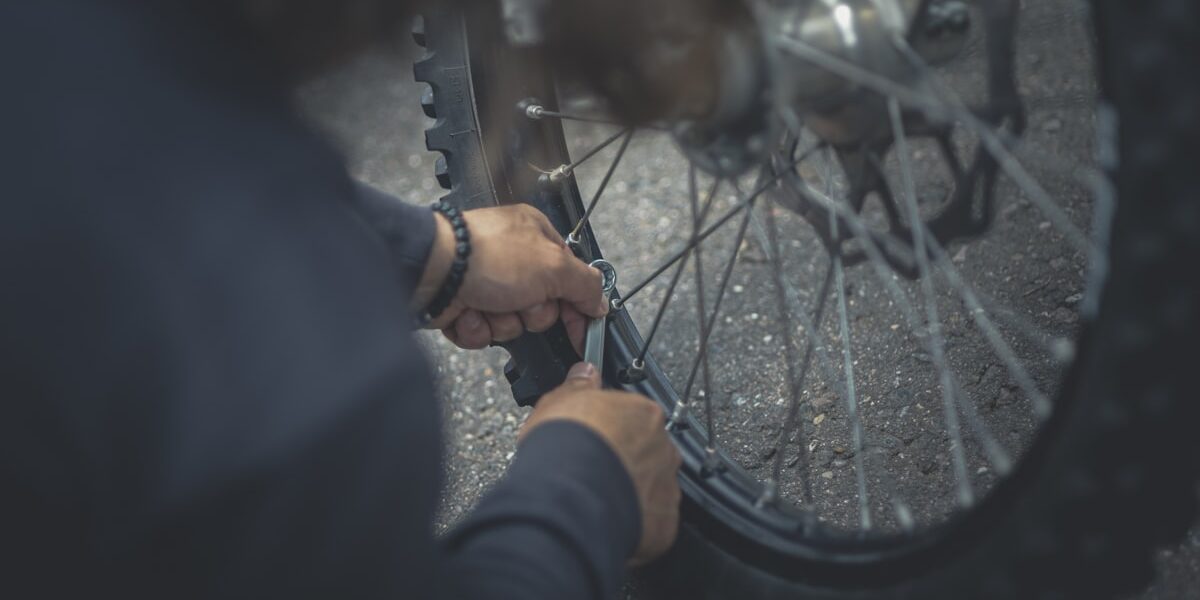
Wheels need to be true — meaning they spin straight without wobbling. Lift the bike and spin each wheel. If it wanders side to side, the wheel needs truing. You can learn to do this with a spoke wrench, but if it’s badly out of whack, a bike shop mechanic will handle it faster and more accurately.
Examine the Saddle Position
A properly positioned saddle can be the difference between a great ride and a painful one. Make sure it’s level and at the right height for your leg length. You might need to experiment with small adjustments — a few millimeters up or down can change how your knees feel after an hour of pedaling. Don’t be afraid to tinker until it feels right.
Monitor Wear and Tear
Get in the habit of giving your bike a once-over regularly. Look for cracks or dents in the frame. Listen for unusual noises when riding — creaks, clicks, and grinding usually mean something needs attention. Components like the chain, cassette, and cables all have a lifespan. Catching wear early saves you from bigger, more expensive problems later.
Keep Spare Parts Handy
Things break at the worst possible times. Keep a small kit with spare tubes, brake pads, and a chain link ready to go. This way, minor issues don’t end your ride. A flat tire goes from a day-ruiner to a ten-minute roadside fix when you’ve got a spare tube and a pump with you.
Learn Basic Repairs
You don’t need to be a bike mechanic, but knowing the basics saves you real time and money. Learn to fix a flat, adjust your brakes, and replace a chain. These are simple skills that any rider can pick up. There are great tutorials online, and once you’ve done each repair a couple of times, it becomes second nature.
Protect from Weather
Sun, rain, and temperature swings are hard on a bike. Store yours in a dry, sheltered place whenever possible. If it lives outside, get a solid bike cover. UV damage fades paint and degrades rubber. Moisture breeds rust. Neither one is your friend. A little protection goes a long way toward keeping your bike looking and performing well.
Regular Professional Checkups
Even if you’re diligent about home maintenance, a professional tune-up once a year is worth the money. A good bike mechanic has tools and experience you probably don’t, and they’ll catch things you might miss. Think of it like a dental checkup for your bike — preventive care that saves you from bigger headaches down the line.
Keep Your Bike Secure
All the maintenance in the world won’t help if your bike gets stolen. Invest in a quality lock — a good U-lock or heavy chain lock is worth the weight. Lock the frame and at least one wheel to something solid that can’t be unbolted from the ground. And lock it every time, even if you’re just popping into a shop for two minutes. Bike thieves are fast and opportunistic.