I once got a flat tire six miles from home with nothing but my phone and a granola bar. Walked the whole way back in cycling shoes, which, if you’ve never tried it, is about as fun as it sounds. That was the day I learned that carrying the right tools isn’t optional — it’s the difference between a minor inconvenience and a ruined afternoon. Here are the three tools every cyclist needs.
1. A Decent Bike Pump
Tires lose air. It’s just what they do. A floor pump with a pressure gauge belongs in your garage — it makes topping off before a ride take about 30 seconds. But you also need a mini pump or CO2 inflator that rides with you. Probably should have led with this, because without air you’re not going anywhere. The floor pump handles daily use; the portable one handles emergencies. Get both. Your tires will stay at the right pressure, you’ll ride faster, and you’ll flat less often. It’s the cheapest performance upgrade there is.
2. A Good Multi-Tool
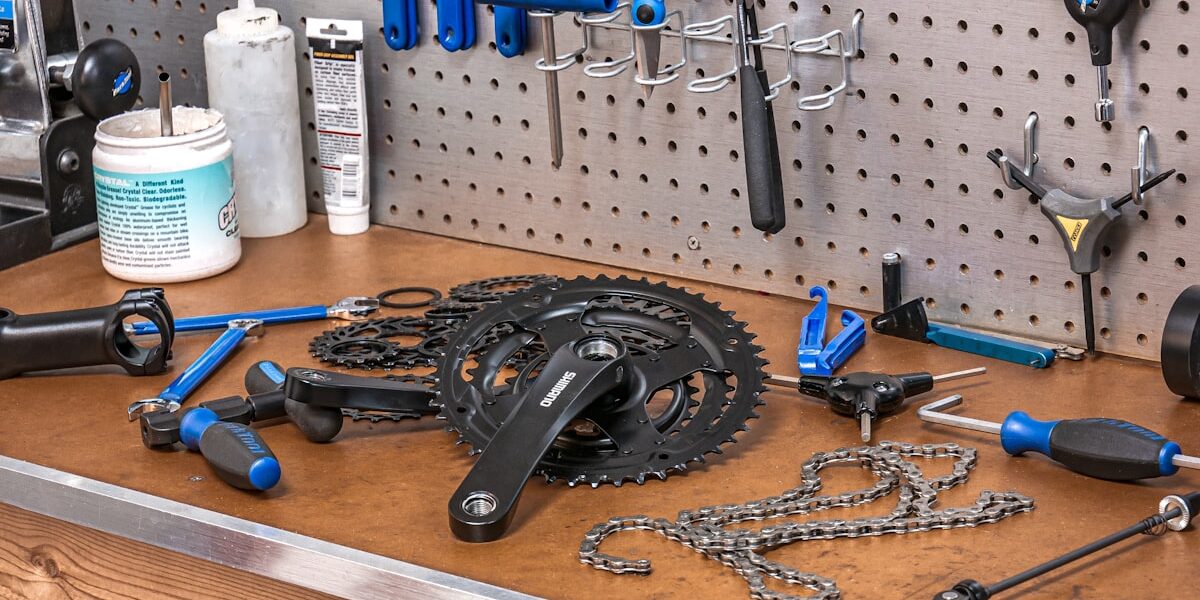
Think of it as a Swiss Army knife for your bike. A decent multi-tool packs in various Allen key sizes, a Phillips and flathead screwdriver, and sometimes a chain breaker and spoke wrench. It fits in a jersey pocket or saddle bag. Loose saddle bolt mid-ride? Fixed. Need to raise your handlebars? Done. That’s what makes a multi-tool endearing to everyday riders — it solves problems on the spot without needing a full workshop. Spend $20-30 on a good one from a bike brand and it’ll last for years.
3. Tire Levers and a Patch Kit (or Spare Tube)
Flats happen. You hit a piece of glass, roll over a thorn, or just get unlucky. Tire levers — those little plastic hooks — let you peel the tire off the rim so you can get to the tube inside. A patch kit lets you fix small punctures on the road. Or, if you’d rather keep it simple, just carry a spare tube and swap the whole thing out. Either way, having these in your bag means a flat is a ten-minute stop instead of a long walk home. Trust me on this one. I learned the hard way.
That’s the kit. Pump, multi-tool, flat repair gear. You can fit all of it in a small saddle bag and forget it’s there until you need it. And when you do need it — and you will — you’ll be glad you’ve got it. Check your tools before a long ride to make sure everything’s there and working. Beyond that, if something on your bike seems beyond a trailside fix, there’s nothing wrong with visiting your local bike shop. Those folks know their stuff and they’re happy to help.