Your fork manufacturer recommends service every 50 hours of riding. That’s not a suggestion designed to separate you from your money—it’s the interval that prevents $400 rebuilds from becoming $1200 replacements. Most riders ignore this completely, and their forks suffer for it.
What 50-Hour Service Actually Means
Let’s be clear about terminology. There are two service levels:
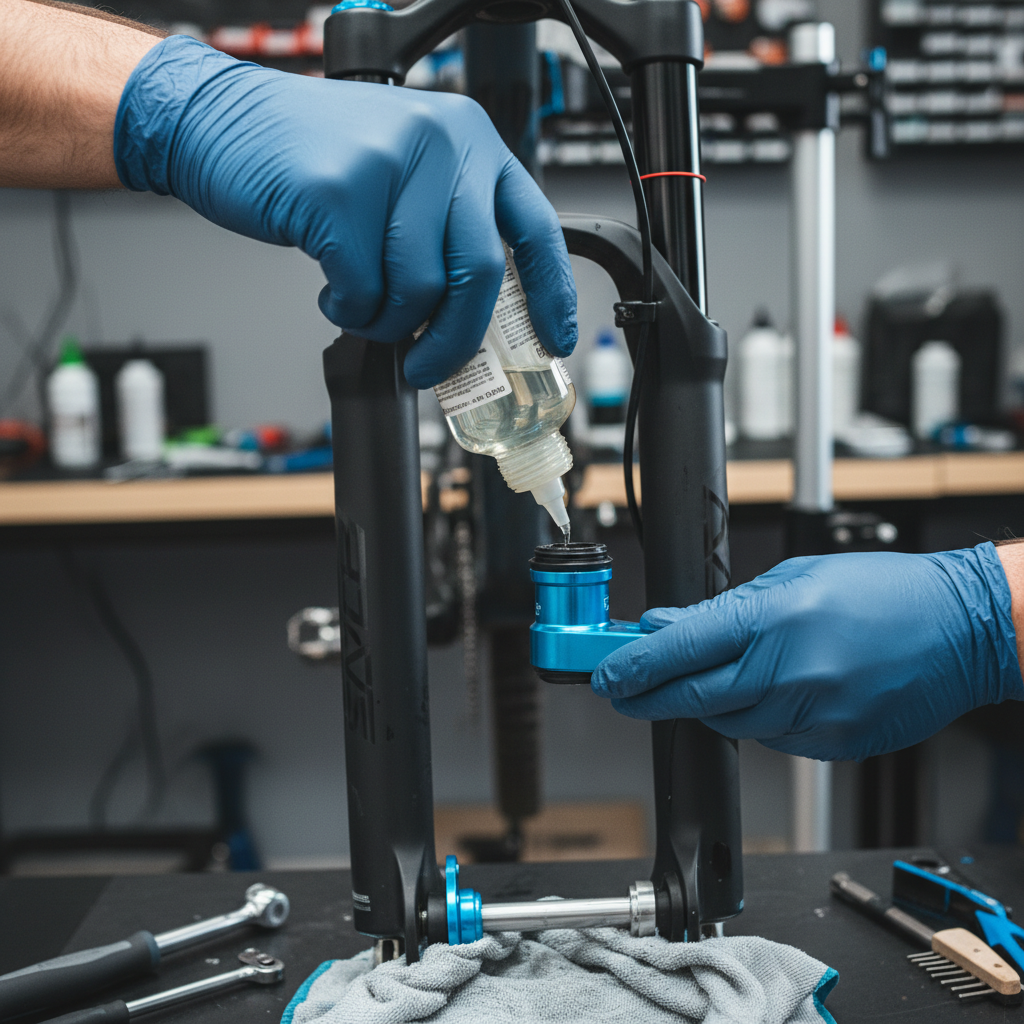
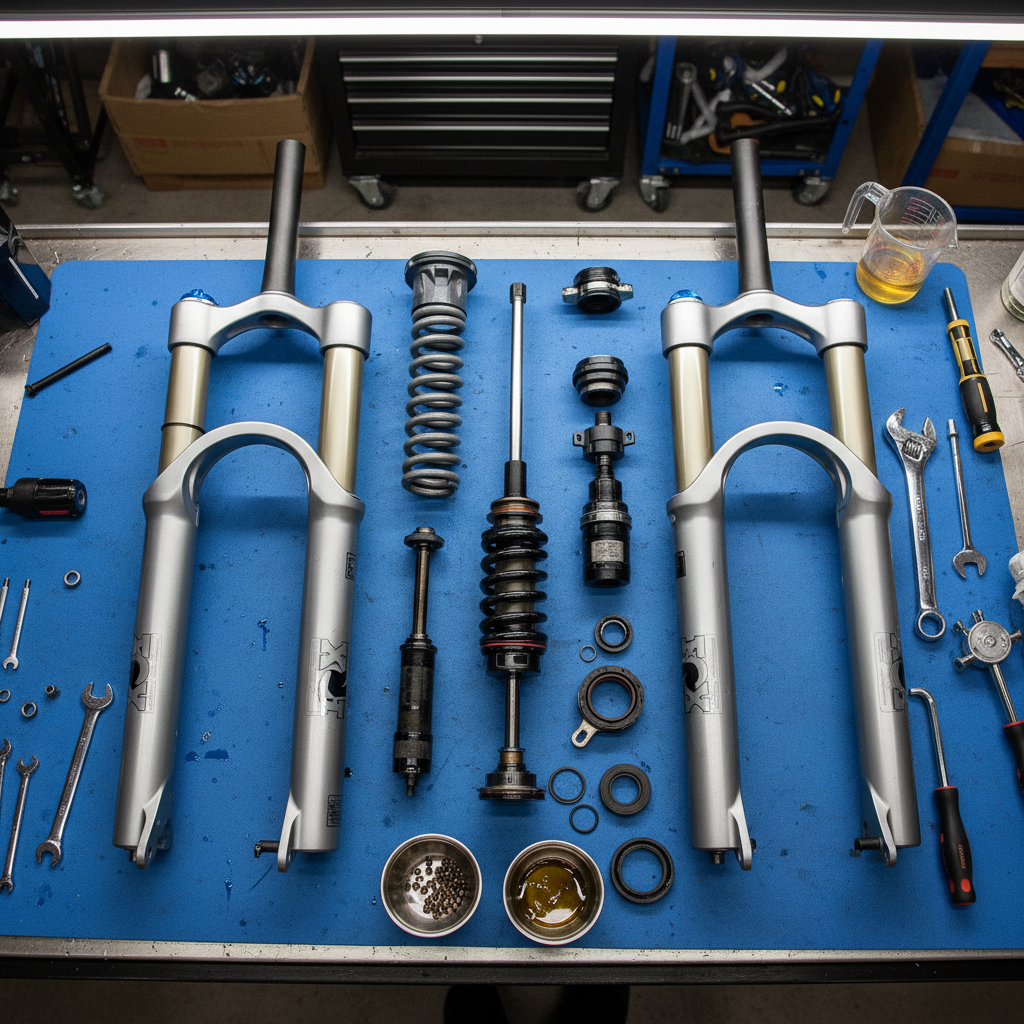
Lower leg service (50 hours): Remove the lowers, clean and inspect seals, replace oil, check for wear. This takes 30-60 minutes with the right tools and should cost $50-80 at a shop.
Full service (100-200 hours): Complete teardown including damper and air spring internals. This requires specialized tools and knowledge. Shop cost: $150-300.
The 50-hour lower leg service is what most riders skip. It’s also the service that prevents contamination from reaching expensive internal components.
Why This Interval Matters
Your fork seals scrape dirt, dust, and moisture every stroke cycle. That contamination migrates into the lower legs, mixing with the lubricating oil bath. As oil gets contaminated, it becomes abrasive rather than protective. Metal surfaces wear. Bushings develop play. Damper seals fail.
At 50 hours, contamination is minimal and fresh oil restores full function. At 200 hours without service, you’re grinding metal particles through precision components. At 400 hours, you’re looking at bushing replacement, seal kit overhaul, and possibly damper rebuild.
Reading Your Fork’s Condition
Signs your fork needs service (regardless of hour count):
- Oil weeping past seals: Visible wet residue on stanchions indicates seal failure
- Stiction: Fork movement feels sticky or reluctant, especially on small bumps
- Noise: Creaking, squelching, or metallic sounds during compression
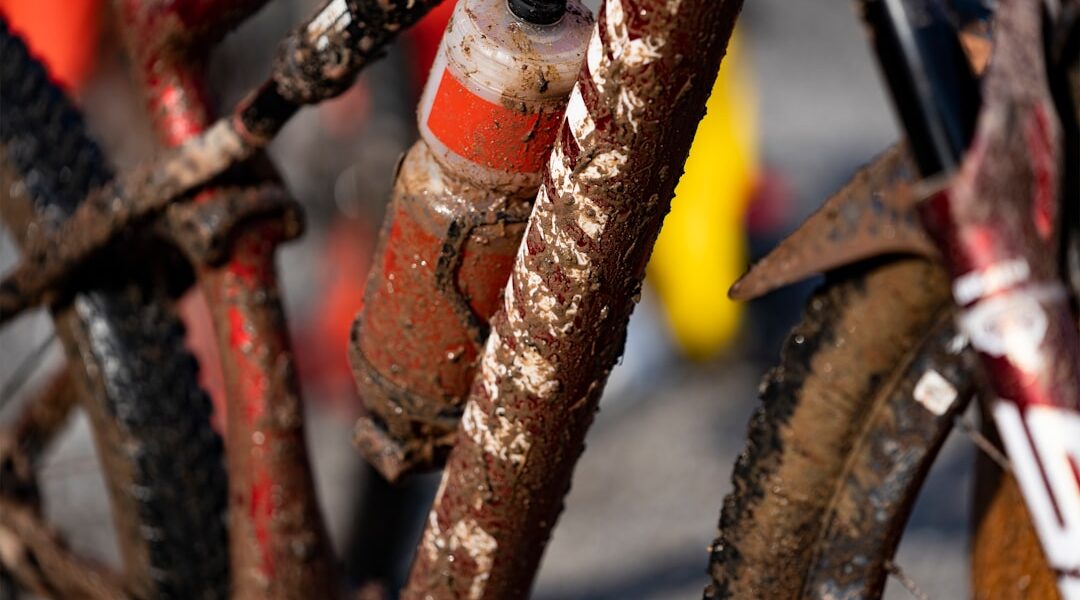
- Dirty stanchions: Visible grit accumulation above seals after rides
- Reduced travel: Fork doesn’t use full stroke even on appropriate terrain
Pro tip: wipe your stanchions with a clean cloth before every ride. Removing surface contamination before it’s pushed past seals extends service intervals.
The Basic Lower Leg Service
Tools needed: correct socket sizes for your fork, oil syringe, manufacturer-specified fork oil, seal pick or small flathead, clean rags, isopropyl alcohol.
Step 1: Remove the wheel. Support the bike so the fork hangs freely.
Step 2: Release air. If your fork has air spring, release all pressure. Many forks require this for lower leg removal.
Step 3: Remove lower leg bolts. These are at the bottom of each lower leg, accessible from below. Usually 5mm hex or T25 Torx.
Step 4: Separate lowers from uppers. This may require light tapping on the bottom bolts with a soft mallet after they’re loosened. The lowers slide down off the stanchions.
Step 5: Drain and inspect. Drain old oil into a container. Inspect foam rings and seals for damage. Clean everything with isopropyl alcohol.
Step 6: Refresh foam rings. Saturate foam rings with fresh suspension oil. These rings provide ongoing lubrication between services.
Step 7: Add oil. Each fork spec specifies oil weight and volume for the lowers. Follow exactly—too little means insufficient lubrication, too much creates hydraulic lock.
Step 8: Reassemble. Slide lowers back on, reinstall bottom bolts to specified torque (usually 4-5 Nm), restore air pressure.
What You’ll Find Inside
Healthy fork: clear oil, clean surfaces, foam rings pliable and intact.
Overdue fork: grey or black oil (contamination), scoring on bushings, hardened or damaged foam rings, grit accumulation.
Neglected fork: metal particles in oil, visible bushing wear, seal damage requiring kit replacement, possible stanchion scoring.
The Cost of Skipping Service
Lower leg service kit: $30-50
Shop labor for 50-hour service: $50-80
Total: $80-130
Bushing replacement (from neglect): $150-250
Damper rebuild: $150-300
Stanchion replacement: $300-600
Total from neglect: $600-1150
The math is clear. Spend $100 every 50 hours, or spend $1000 after 200 hours of neglect. Your fork doesn’t forgive deferred maintenance.
Tracking Your Hours
Most riders underestimate their fork hours significantly. Rough guidelines:
- Casual weekend rider: 50 hours = ~6 months
- Weekly trail rider: 50 hours = ~3 months
- Serious enthusiast: 50 hours = ~6 weeks
- Frequent racer: 50 hours = ~monthly
When in doubt, service before you think you need it. Fresh oil and clean seals cost far less than the damage contamination causes.