Bike maintenance has gotten complicated with all the conflicting advice flying around about when to service what. As someone who’s wrenched on bikes for over a decade, I learned everything there is to know about keeping a bike running year-round without expensive shop visits or mid-ride failures. Today, I will share it all with you.
Your bike needs different attention in April than it does in October. Seasonal changes bring different conditions, different riding patterns, and different wear profiles. Reactive maintenance—fixing stuff when it breaks—costs more and ruins rides. Proactive seasonal service keeps everything working properly. Here’s the calendar that prevents mid-season surprises.
Spring Tune-Up (March-April)
Winter storage, indoor trainer sessions, and cold-weather riding all take their toll. Spring is rebuild season.
Deep cleaning: Strip the bike completely. Clean frame, fork, and components with appropriate degreasers. That trainer sweat corrodes everything it touches—get it all off.
Cable and housing inspection: Winter moisture creates internal corrosion. Shift through every gear feeling for stickiness or drag. Replace cables and housing if they feel anything less than butter-smooth. Honestly, most cables should just be replaced annually regardless of how they feel.
Brake system service: Inspect pads for wear and contamination. Bleed hydraulic brakes if the feel has gone spongy over winter. Road salt and grit accelerate pad wear—lots of spring bikes need fresh pads.
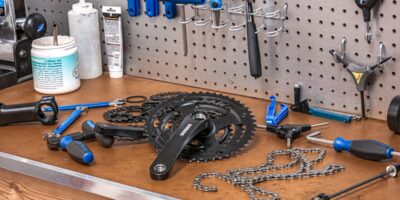
Drivetrain assessment: Measure chain wear. Inspect cassette teeth for shark-finning. Clean and re-grease bottom bracket and headset bearings. This is the time for major replacements before peak riding season hits.
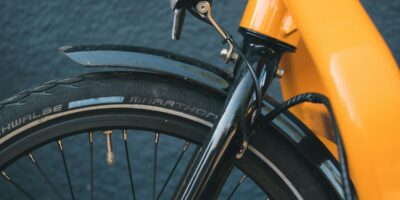
Tire evaluation: Check for dry rot from storage, embedded debris from last season, and tread wear. Fresh rubber in spring means confident handling all season long.
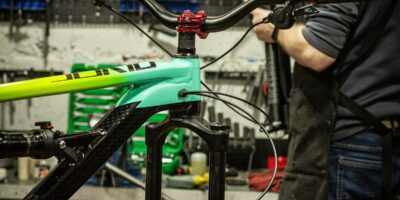
Suspension service (MTB): If you skipped the fall service, spring is mandatory for fork and shock attention. Change lower leg oil, check air pressures, inspect seals.
Summer Maintenance (June-August)
That’s what makes summer riding endearing to us cyclists—long days and dry conditions. But peak riding season means peak wear accumulation. Regular attention prevents mid-season failures.
Weekly chain cleaning and lubrication: Summer dust and road grit mix with lubricant to create grinding paste. Clean the chain weekly, lube after every ride or two.
Monthly chain wear check: High summer mileage accelerates chain wear. Check monthly with a chain gauge. Replace at 0.5% stretch to protect your cassette and chainrings from premature wear.
Tire pressure management: Hot pavement increases tire pressure beyond your morning readings. Check pressure and consider running 5-10% lower than winter settings to prevent overinflation as temperatures climb.
Brake pad check: Long descents in summer heat stress pads hard. Inspect monthly, replace if material is approaching minimum thickness.
Tubeless sealant refresh: Heat accelerates sealant degradation. Check sealant level every 6-8 weeks in summer; top off or replace as needed.
Contact point attention: Bar tape deteriorates with sweat and sun. Replace if it’s getting sticky, compressed, or worn through. Saddle rails and clamps should be checked for corrosion from sweat exposure.
Fall Prep (September-October)
Transition season is damage assessment time. Address summer’s accumulated wear and prepare for off-season conditions.
Comprehensive inspection: Summer miles stress everything. Inspect frame for cracks, especially at welds and high-stress areas. Check fork steerer and dropout areas. Identify any issues before winter storage or rainy-season riding begins.
Bearing service: Hubs, bottom bracket, headset, and pedals all accumulate grit through summer. Clean, inspect, and re-grease or replace as needed. This prevents rust development during wetter fall and winter months.
Brake bleed (hydraulic): If you haven’t bled since spring, fall is the time. DOT fluid absorbs moisture through summer humidity; mineral oil systems benefit from fresh fluid too.
Suspension full service: Fork and shock get their annual complete service—damper fluid replacement, seal inspection, full teardown and rebuild. Shop queues are shorter in fall than spring. Smart timing.
Tire decision: Evaluate whether summer tires will serve through autumn or if all-condition tires make sense. Many riders swap to more aggressive tread as leaves fall and surfaces become unpredictable.
Lighting and safety gear check: Days shorten fast. Test all lights, replace batteries, confirm reflective elements are in place. Verify all mounting hardware before you need to ride in darkness.
Winter Maintenance (November-February)
Whether you’re riding through winter or storing the bike, specific requirements apply.
For winter riders:
- Increase cleaning frequency—salt and grit are extremely corrosive
- Consider wet-condition lubricant on the chain
- Inspect brakes frequently (wet conditions accelerate pad wear)
- Check cables often (freezing can affect housing performance)
- Dry the bike thoroughly after wet rides before storage
For indoor trainers:
- Cover the bike or use a fan to prevent sweat accumulation
- Wipe down after every session
- Check headset and bars for sweat corrosion monthly
- Trainer-specific rear tire prevents wear on your road rubber
For stored bikes:
- Clean thoroughly before storage
- Apply frame protectant or light oil coat on bare metal
- Reduce tire pressure to prevent flat spots (not completely flat though)
- Shift to smallest cog and ring to reduce cable tension
- Store in a dry location away from temperature extremes
The Annual Rhythm
Probably should have led with this section, honestly. This calendar prevents the accumulation of neglect that creates expensive failures. Major service happens in spring and fall. Summer focuses on wear items. Winter is either intensive cleaning (if riding) or preservation (if storing).
Document your maintenance. A simple log noting date, service performed, and parts replaced creates accountability and identifies patterns. When your chain consistently needs replacement every 2000 miles, you know when to check based on odometer instead of guesswork.
The goal isn’t just avoiding breakdowns. It’s riding a bike that performs consistently at its best throughout the year. Seasonal attention makes that possible.