Pre-ride checks have gotten complicated with all the different advice flying around about what actually matters. As someone who’s been a bike mechanic and avid rider for years, I learned everything there is to know about preventing those mid-ride disasters that ruin a good day on the bike. Today, I will share it all with you.
Sixty seconds. That’s all the ABC Quick Check takes. Riders skip it because they don’t think anything changed since yesterday, and then they end up stranded or worse. Here’s what those letters mean and why each check prevents specific disasters.
A: Air
Proper tire pressure is your first line of defense against flats, rim damage, and poor handling.
The check: Squeeze each tire. You’re feeling for appropriate firmness—not hard as a rock, not soft enough to compress easily. For precise measurement, use a floor pump with a pressure gauge before every ride.
What you’re preventing:
- Pinch flats from under-inflated tires hitting obstacles
- Rim damage from bottoming out on hard impacts
- Increased rolling resistance from squishy tires
- Blowouts from over-inflated tires in hot conditions
- Sealant failure in tubeless setups running too low
Target pressures vary quite a bit. Road bikes typically run 80-100 PSI, gravel 35-50 PSI, mountain bikes 22-35 PSI. Rider weight, tire width, and conditions all affect your ideal pressure. Know your range and verify you’re in it.
While you’re there: Spin each wheel and visually inspect the tire tread. Embedded glass, thorns, or cuts in the casing are easier to address in your garage than at mile 30.
B: Brakes
That’s what makes reliable brakes endearing to us riders—they’re the difference between a close call and a hospital visit. Brakes that function perfectly today can fail tomorrow. Daily checking catches degradation before it gets dangerous.
The check: Squeeze each brake lever firmly. The lever should engage well before reaching the handlebar. Then, push the bike forward while squeezing—the wheel should lock or resist strongly.
What you’re looking for:
- Lever pulling to the bar: pads worn or cable stretched
- Spongy feel: air in hydraulic lines or pad contamination
- Grinding sound: pads worn to backing plate, or debris in caliper
- Uneven braking: contaminated pad, warped rotor, or misaligned caliper
- No resistance: cable detached or hydraulic failure
Additional brake checks: Visually inspect pad thickness (1mm minimum). Look for rotor scoring or visible contamination. Ensure quick releases or thru-axles are properly secured—loose wheels cause brake rub that mimics brake problems.
C: Chain and Cranks
Drivetrain problems develop gradually, making them easy to miss until something fails dramatically.
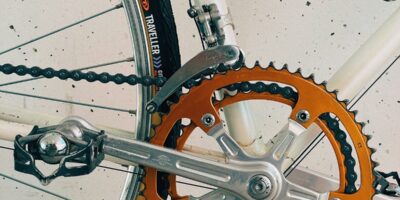
The chain check: Lift the chain from the chainring at the 3 o’clock position. If you can see daylight between chain and ring—enough to fit a pencil—chain is stretched and overdue for replacement. Also check for stiff links by backpedaling slowly and watching for jumping or skipping.
The crank check: Grab each crank arm and try to rock it side-to-side. Any movement indicates loose crank bolts or worn bottom bracket bearings. Both conditions worsen rapidly under riding load.
What you’re preventing:
- Chain breakage from worn or damaged links
- Skipping under power from stretched chain or worn cassette
- Crank arm falling off from loose bolts
- Bottom bracket failure from ignored bearing play
While you’re there: Check pedals for play. Spin them and feel for grinding bearings. Confirm cleats are securely attached to shoes.
Quick: Quick Releases and Thru-Axles
Probably should have led with this section, honestly. The “Quick” in ABC Quick Check specifically addresses wheel retention—the component failure with the highest consequence potential.
The check: Confirm both wheel quick releases or thru-axles are properly secured. Quick release levers should require firm palm pressure to close. Thru-axles should be torqued to spec (typically 12-15 Nm).
What you’re preventing:
- Front wheel ejection (the failure that ends badly every time)
- Rear wheel shifting under power, causing chain derailment
- Brake rub from improperly seated wheels
- Disc rotor damage from wheel movement
Lawyer lips: Many forks have retention tabs that prevent wheel ejection even if the quick release opens. Never rely on these as primary retention—they’re backup only.
Check: Final Visual Scan
The final “Check” is a quick visual sweep catching anything the specific steps might miss:
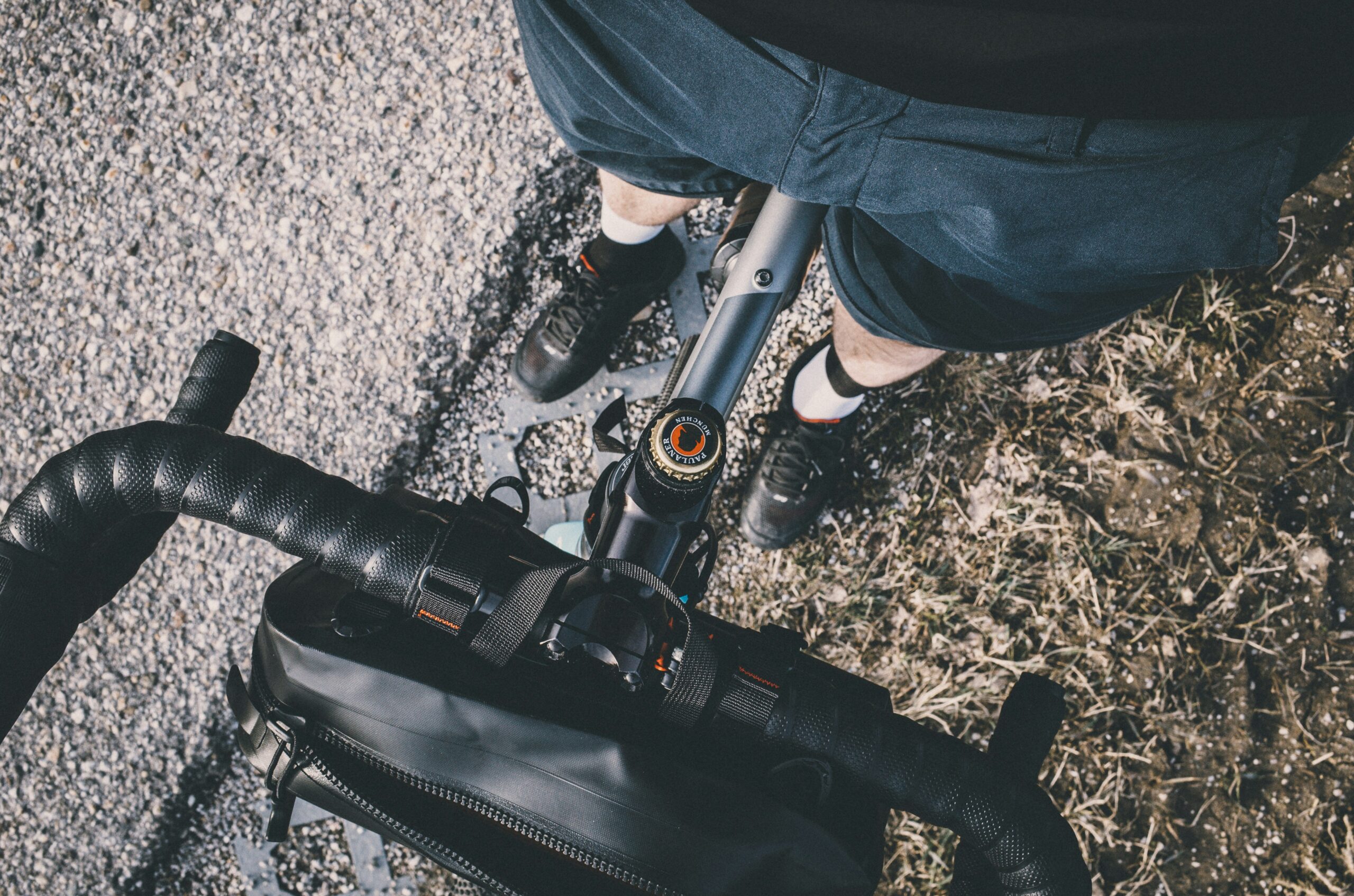
- Headset: Straddle the front wheel between your legs and rock the bars. Any clunking indicates loose headset.
- Handlebars: Bars shouldn’t twist in the stem. Quick pressure test catches loose stem bolts.
- Saddle: Shouldn’t tilt or swivel when pushed. Check seatpost clamp tightness.
- Accessories: Lights secured? Computer mounted? Bottles in cages?
Building the Habit
ABC Quick Check takes under 60 seconds. Bikes in use experience constant vibration, thermal cycling, and load variation. What was tight yesterday may have loosened overnight.
Make the check part of getting the bike out. Before you throw a leg over, ABC Quick Check happens automatically. The one day you skip it becomes the day something fails.
Mechanics see it constantly: riders stranded with problems a 30-second check would have caught. Sixty seconds of attention prevents hours of regret.