Advanced Bike Repair Tips
I’ve been wrenching on bikes for over a decade now, and I still learn something new every few months. The basics — fixing flats, adjusting brakes, lubing chains — those get you pretty far. But once you start tackling the more advanced stuff, that’s when you really start understanding how your bike works. And honestly? It’s kind of addictive. So here are some of the more advanced repair and maintenance tasks I’ve picked up over the years, along with tips that’ve saved me time, money, and a lot of frustration.
Wheel Truing
Truing a wheel means getting it to spin straight by adjusting spoke tension. Set the bike up in a workstand (or flip it upside down in a pinch). Spin the wheel and watch for side-to-side wobble. Found it? Grab your spoke wrench and make small adjustments — we’re talking a quarter to a half turn at a time. Tighten spokes on the side the rim is leaning away from. Spin, check, adjust, repeat. It’s meditative, honestly. Rush it and you’ll overcorrect and make things worse. Take your time and the wheel comes around.
Crank Arm Installation
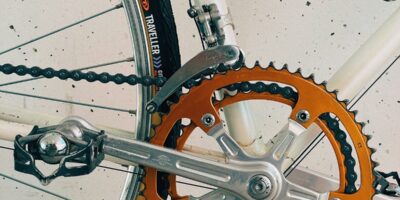
Before sliding a crank arm on, make sure the bottom bracket spindle is clean and properly greased. Push the crank all the way onto the spindle — it should seat firmly against the bottom bracket shell. Use a torque wrench to tighten the crank bolt to the manufacturer’s spec. This is one of those jobs where a torque wrench isn’t optional. Over-tighten and you can crack the crank or damage the spindle interface. Under-tighten and the crank works loose while you’re riding, which is as bad as it sounds.
Derailleur Adjustment
Start with the rear. Shift to the smallest cog and set the high limit screw so the jockey wheel lines up right under that smallest cog. Then shift to the biggest cog and set the low limit screw the same way. Fine-tune the indexing with the barrel adjuster — this is where you dial in crisp shifts through the whole range. Click through every gear and listen. You want quiet, precise transitions. The front derailleur follows the same logic: set the limits so the chain can’t overshoot, then fine-tune cable tension for clean shifts. Probably should have led with this, but good derailleur adjustment is maybe the single most satisfying home mechanic skill. When it clicks (literally), you feel like a genius.
Brake Bleeding
If you’re running hydraulic disc brakes, bleeding them is something you’ll need to do eventually. Air bubbles in the hydraulic line make the lever feel spongy and reduce stopping power. Pull the wheel off and remove the brake pads — you don’t want brake fluid contaminating them. Stick a bleed block where the rotor normally sits. Attach a syringe filled with the right brake fluid (DOT fluid or mineral oil, depending on your brand — don’t mix them up) to the bleed port on the caliper. Push fluid through the system to flush out the air. Close everything up, reinstall the pads and wheel, and test. The lever should feel firm and responsive. If it still feels mushy, you’ve got more air in there — try again.
Headset Bearing Replacement
If your headset feels notchy or rough when you turn the bars, the bearings are likely shot. This one requires some disassembly. Remove the stem, handlebars, and fork. Carefully pull the old bearings out of the headset cups. Clean everything thoroughly — the cups, the crown race, the steerer tube. Grease the new bearings and press them into the cups. Reassemble the fork, stem, and handlebars, and adjust the headset preload so there’s no play but also no binding. A properly adjusted headset should spin freely with zero clunking.
Chain Maintenance
I know, I know — chain care comes up in every bike maintenance article. But at the advanced level, the details matter more. Use a chain cleaner tool or a stiff brush with degreaser to really get into the rollers. Match your lube to your conditions: wet lube for rain and mud, dry lube for dust and fair weather. Wet lube in dry conditions collects grit; dry lube in wet conditions washes off immediately. Apply lube, let it penetrate for a minute, then wipe the exterior clean. A well-maintained chain can double the life of your cassette and chainrings. That’s not a small savings.
Suspension Tuning
Stock suspension settings are a starting point, not a destination. Begin with the manufacturer’s recommended air pressure for your weight and riding style, then set the sag — usually 25-30% for trail riding, less for cross-country, more for enduro. From there, adjust rebound damping so the fork or shock recovers quickly without bouncing. Compression damping controls how fast the suspension compresses — more for high-speed hits, less for a plush feel on small bumps. That’s what makes suspension tuning endearing to trail riders who are willing to experiment — when you nail the settings for your local trails, the bike feels like an extension of your body.
Tubeless Tire Setup
Going tubeless eliminates most flats and lets you run lower pressures for better grip. First, make sure your rims and tires are tubeless-compatible (not all are). Apply tubeless rim tape to seal the spoke holes — overlap the ends and press it down firmly. Install the valve stem. Mount one side of the tire, pour in the recommended amount of tubeless sealant, then work the other bead onto the rim. You’ll need a burst of air to seat the beads — a compressor works best, but a floor pump with a large-volume chamber can manage it. Once seated, shake and spin the wheel to distribute the sealant. Check for leaks and top off sealant every few months.
Brake Rotor Truing
A bent rotor causes that rhythmic scraping sound that drives everyone nuts. Spin the wheel slowly and watch the rotor pass through the caliper. You’ll see where it deviates. Use a rotor truing fork (or a clean adjustable wrench in a pinch) to gently bend it back straight. Small corrections only. A true rotor gives you consistent braking and eliminates that infuriating noise. It’s a two-minute fix that makes a big difference.
Pedal Installation
Clean the crank arm threads and apply a thin layer of grease to the pedal threads. Remember: the left pedal is reverse-threaded (tightens counterclockwise). Start both pedals by hand to make sure you’re not cross-threading, then tighten with a pedal wrench. Snug, not gorilla-tight. Over-torquing can damage the crank threads, and you’d rather be able to remove them later without a fight.
Cassette Replacement
When shifting starts feeling rough and you’ve already tried adjusting the derailleur and replacing the chain, the cassette is probably worn. Pull the wheel off and remove the skewer or thru-axle. Lock the cassette in place with a chain whip and use a lockring tool to unscrew the lockring. Slide off the old cassette, clean the freehub body, and slide on the new one (the splines only fit one way, so it’ll only go on correctly). Torque the lockring back to spec, reinstall the wheel, and run through the gears. Should feel like a new bike.
Bottom Bracket Service
The bottom bracket sees a lot of stress and exposure to the elements. Pull the crankset off, then use the correct bottom bracket tool for your type (threaded, press-fit — there are several standards, which is its own headache). Remove the old bottom bracket, clean the shell and threads thoroughly, and inspect the bearings. If they’re rough, replace the whole unit. Grease the threads on reinstallation and torque to spec. A fresh bottom bracket eliminates creaks and makes pedaling feel noticeably smoother.
Hub Overhaul
Hub bearings wear out gradually, and you might not notice until things feel rough or there’s play in the wheel. Pull the wheel off, remove the dust caps, cones, and bearings. Clean every part thoroughly and inspect the bearing surfaces and races for pitting. Replace any worn components. Regrease generously, reassemble, and set the bearing preload — you want the axle to spin freely with zero side-to-side play. It’s a fussy adjustment, but it makes a big difference in how the wheel feels.
Shift Lever Maintenance
Shifters accumulate grime over time, especially the internals. Remove the shift cable, flush the inside of the shifter with a light solvent or bike-specific cleaner, and apply a small amount of grease to the moving parts. Reassemble, run a new cable, and adjust the derailleur. Clean shifters click crisply instead of feeling sluggish and uncertain. It’s one of those maintenance tasks people rarely think about, but it makes a noticeable difference.
Spoke Replacement
A broken spoke needs fixing promptly — riding on a wheel with a broken spoke can damage the rim. Figure out the correct spoke length (measure a neighboring spoke from the same side if you don’t have the specs handy). Pull off the tire, tube, and rim tape to access the nipple. Remove the broken spoke and thread the new one through the hub flange with the right lacing pattern. Screw it into the nipple and bring it up to tension to match the surrounding spokes. Reinstall the rim tape, tube, and tire, then true the wheel.
Rear Shock Bushing Replacement
Worn shock bushings cause slop in the rear suspension, which hurts performance and feel. Remove the rear shock from the frame. Press out the old bushings using a bushing removal tool (or improvise with a socket and bolt setup). Clean and inspect the shock eyelets for damage. Press in the new bushings, making sure they’re fully and squarely seated. Reinstall the shock and torque the mounting bolts to spec. Fresh bushings tighten up the rear end and bring back the precise feel of your suspension.
Brake Cable Replacement
Old brake cables stretch and fray, and no amount of barrel adjuster tweaking makes up for a tired cable. Pull the old cable and housing out. Measure and cut new housing to the same length — or slightly different if the old routing had issues. Thread the new cable through, attach it to the caliper, and set the tension. Cut the excess cable and crimp an end cap on. Test the brakes thoroughly. Fresh cables with new housing make braking feel remarkably better.
Internal Cable Routing
Internal routing looks clean but can be a real pain when it comes time to replace cables. A magnet or dedicated internal routing tool is worth every penny here. Feed the cable into one frame port and use the tool to guide it out the other end. A piece of thin string or dental floss tied to the old cable before removal can serve as a pull-through for the new cable. Just make sure the cable isn’t kinked or twisted inside the frame — a kinked cable shifts poorly and wears out fast.
Seatpost Maintenance
A neglected seatpost can seize in the frame, which is a nightmare to fix. Pull it out periodically, clean it and the inside of the seat tube, and apply fresh grease (or carbon assembly paste if you have a carbon post or frame). Reinstall at your preferred height and torque the clamp to spec. This is five minutes of prevention that can save you from hours of wrestling with a stuck post down the road.
Brake Lever Adjustment
Your brake levers should be positioned where your fingers naturally fall when you’re riding in your normal position. Loosen the clamp bolt, rotate the lever to the angle that feels right, and tighten it back down. If your levers have reach adjustment, dial it in so you can comfortably grab the lever without stretching or cramping. Proper lever position reduces hand fatigue and gives you better braking control, especially on long descents.
Wheel Bearing Replacement
When wheel bearings go bad, you’ll feel roughness when spinning the wheel or notice play when you grab the rim and push side to side. Pull the wheel off, remove the axle hardware, and use bearing pullers to extract the old bearings from the hub. Clean the hub shell and inspect for damage. Press in new bearings with a bearing press (or carefully with a socket that matches the outer race diameter). Reassemble and check for smooth, play-free rotation.
Chainring Replacement
Worn chainring teeth cause chain suck and poor shifting. Pull the crankset off the bike and use a chainring bolt tool to remove the old ring. Clean the crank spider and bolts. Install the new chainring — pay attention to the orientation markings if there are any. Tighten the bolts in a star pattern to ensure even seating. Reinstall the crankset and check that the chain runs cleanly over the new ring.
Rear Derailleur Hanger Alignment
A bent derailleur hanger is one of the most common causes of shifting problems, and it’s often overlooked. Thread a derailleur hanger alignment tool into the hanger and check its position relative to the wheel rim at multiple points — 12, 3, 6, and 9 o’clock. If it’s off, gently bend it into alignment. Accurate hanger alignment is the foundation of good shifting — if the hanger is off, no amount of cable adjustment will give you clean shifts.
Cable Lubrication
Cables that run through housing accumulate friction over time, which makes shifting and braking feel stiff and imprecise. Pull the cable from its housing, apply a thin coat of cable-specific lubricant, and thread it back in. Reinstall and adjust. The difference in lever feel is immediate — everything operates more smoothly with less effort. It’s a quick job that punches above its weight in terms of how much better the bike feels afterward.