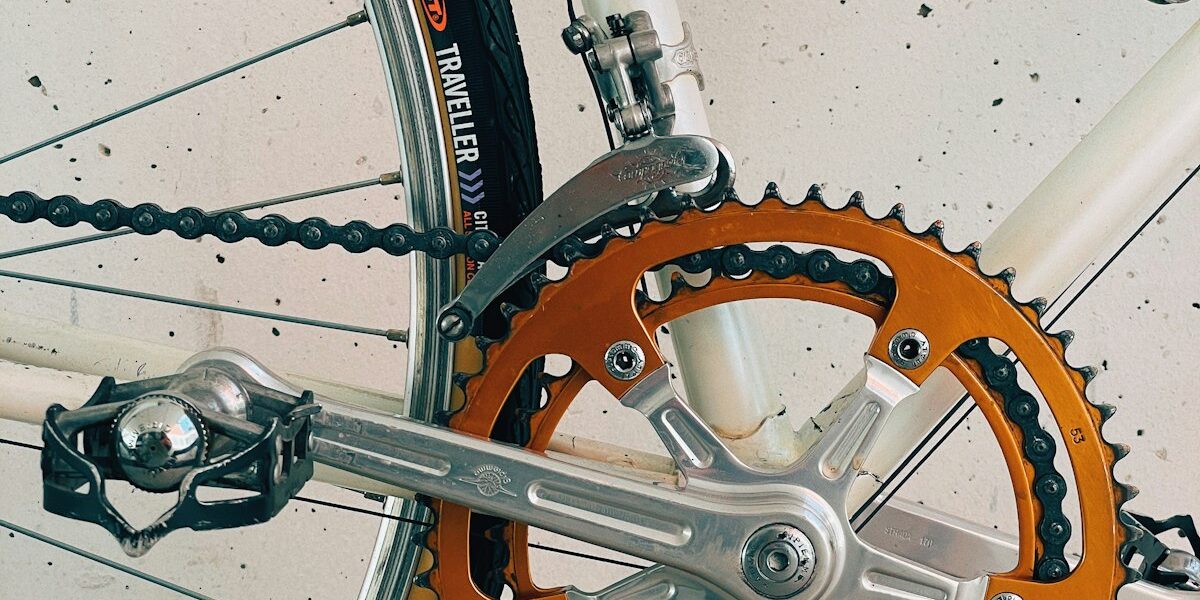
Bike maintenance has gotten complicated with all the conflicting advice flying around. One YouTube video says to lube your chain every ride, another says once a month. Your buddy at the group ride swears by one method, and the bike shop says something else entirely. So let me try to cut through the noise and give you a straightforward rundown of how to actually keep your bike running well — no overthinking required.
**Routine Checks**
Before you roll out, do a quick once-over. It takes maybe 30 seconds. Squeeze both brakes — do they feel firm? Good. Check your tire pressure (the recommended range is printed right on the sidewall, so no guessing needed). Give the chain a glance to make sure it’s not caked in gunk or looking rusty. And spin the wheels to make sure nothing’s rubbing. That’s it. You’re not doing a full inspection here, just a sanity check.
**Cleaning Your Bike**
A clean bike just works better. Dirt and grime grind away at your components over time, and honestly, a dirty drivetrain sounds terrible. Grab a soft brush, a bucket of soapy water, and go to town on the frame, handlebars, seat, and wheels. One thing to avoid: don’t blast your bike with a pressure washer. I know it’s tempting, but high-pressure water pushes moisture into bearings where it doesn’t belong. After you wash, dry everything off and throw some lube on the chain and moving parts.
**Lubrication**
Speaking of lube — less is more. You want a thin coat on the chain, derailleur pivots, and brake lever pivots. Apply it, let it sit for a minute, then wipe off the excess. If your chain looks wet and shiny with lube, you’ve used too much and it’s just going to attract dirt. Also, wet lube and dry lube exist for a reason. Wet lube for rainy conditions, dry lube for fair weather. Probably should have led with this, since getting the lube type wrong is one of the most common mistakes people make.
**Tire Maintenance**
Your tires are the only thing between you and the pavement, so give them some attention. Look for cracks, cuts, or spots where the rubber’s worn thin. If the tread is basically gone, it’s time for new tires — don’t push your luck. Some people also rotate their tires front-to-back to even out wear, which can squeeze a bit more life out of them.
**Brake System Maintenance**
Brakes are kind of important, right? Check your pads regularly. If they’re worn down past the indicator line (or if you can’t see the grooves anymore), swap them out. For disc brakes, make sure the rotor isn’t rubbing against the pads when the wheel spins freely. If you’ve got hydraulic brakes, keep an eye on the fluid level and top it off if needed. And check your cables — frayed cables are a problem waiting to happen.
**Gear System Adjustments**
Nothing kills a good ride like gears that skip or refuse to shift. If things aren’t clicking into place smoothly, it usually comes down to cable tension. There’s a barrel adjuster on your derailleur — turning it in small increments can often fix the issue. But if you’ve been messing with it for twenty minutes and it’s still not right, take it to a shop. No shame in that. That’s what makes a good local bike shop endearing to riders — they can dial things in fast.
**Checking and Adjusting Bearings**
Bearings live in your hubs, bottom bracket, and headset. They should spin smoothly and quietly. If you feel grinding when you rotate the handlebars, or if the cranks have a gritty feel, the bearings might need attention. This one’s trickier than chain lube — you’ll need the right tools and some know-how. If you’re not comfortable with it, a bike mechanic can handle this in their sleep.
**Storage**
Where you keep your bike matters more than you’d think. A cool, dry spot out of direct sunlight is the way to go. If you can hang it on a wall hook or ceiling mount, even better — that takes pressure off the tires. Storing it outside? At least throw a cover on it. Sun, rain, and temperature swings aren’t doing your bike any favors.
**Professional Service**
Even if you’re doing regular upkeep at home, get your bike into a shop at least once a year for a full tune-up. A mechanic will catch things you might miss — a slightly bent derailleur hanger, bearings that are starting to go, cables that are about to fray. Think of it like a yearly physical for your bike. Worth the cost every time.
Bottom line: taking care of your bike doesn’t have to be a big production. A few minutes of attention here and there keeps everything running smoothly and saves you from expensive repairs down the road. Your bike takes care of you on the road — it’s only fair to return the favor.

Leave a Reply