Quick Bike Maintenance Tips
Bike maintenance has gotten complicated with all the YouTube tutorials and forum debates flying around. Everyone’s got an opinion on the “right” way to do things, and honestly, half the time it just scares people away from wrenching on their own bikes. But here’s the thing — most bike maintenance is pretty straightforward once you strip away the noise. I’ve been doing my own work for years, and I still keep coming back to the same basics. So let’s run through the stuff that actually matters.
Check Tire Pressure
This one takes about 30 seconds and makes a bigger difference than most people realize. Grab a pressure gauge and check the PSI (pounds per square inch) printed on your tire’s sidewall. That’s your target range. Inflate to the correct pressure — not too much, not too little. Under-inflated tires feel sluggish, handle poorly, and you’re basically asking for a pinch flat. Over-inflated tires? You’ll bounce around like you’re riding on marbles, and you lose traction. Neither is fun.
Inspect Brakes
Your brake pads should make even contact with the rim — not rubbing against the tire. Take a look at the grooves in the pads. If those grooves have disappeared, you need new pads. It’s that simple. Give your brake levers a good squeeze too. They should engage firmly and stop the bike without you having to white-knuckle them. If there’s too much slack in the cables, tighten things up. You don’t want to discover mushy brakes halfway down a hill.
Lubricate the Chain
A clean, well-lubed chain is the difference between smooth pedaling and that annoying grinding sound nobody wants to hear. Wipe the chain down with a rag or run it through a chain cleaning tool. Then apply a bike-specific lubricant — just a little bit on each link. More isn’t better here because excess lube turns into a dirt magnet. After you apply it, wipe off whatever’s left on the surface. Your chain will thank you.
Tighten Bolts
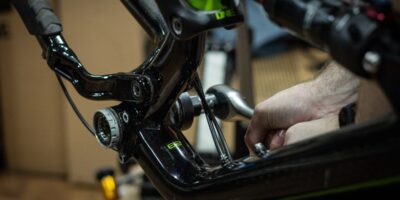
Probably should have led with this, because loose bolts are no joke. They can turn a normal ride into a trip to the ER if something works itself free at the wrong moment. Make it a habit to check the bolts on your stem, handlebars, seat post, and cranks. A torque wrench is your best friend here — it keeps you from over-tightening, which can strip threads or crack components. Snug is good. Gorilla-tight is bad.
Clean Your Bike
Dirt and grime wear things out faster than you’d think. All you need is a soft brush, some water, and mild soap. Give the frame, wheels, and components a good scrub. One thing to avoid: high-pressure water. I know it’s tempting, but blasting your bike with a power washer forces grit into bearings and other places it shouldn’t go. Just use a gentle stream, then dry everything with a clean cloth. Easy.
Inspect the Drivetrain
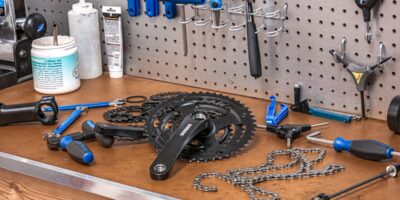
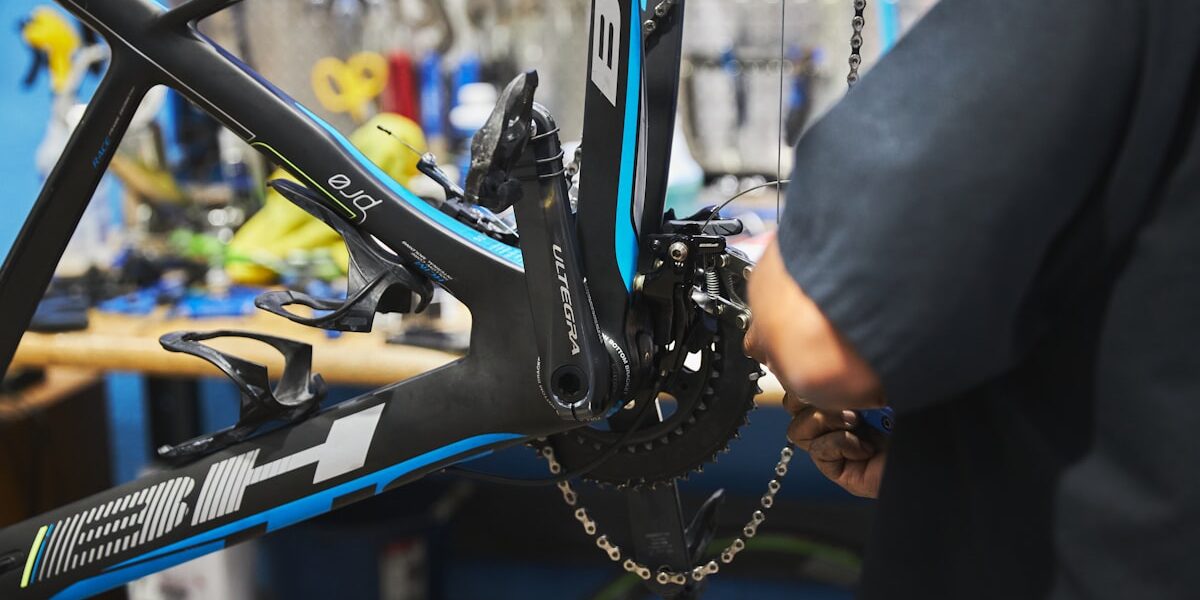
Your drivetrain is the chain, chainrings, cassette, derailleurs, and shifters — basically everything that makes the bike go when you pedal. Look for signs of wear on these parts. A stretched chain is one of the most common issues, and if you ignore it, it’ll chew through your cassette and chainrings too. Check that your derailleurs are lined up properly and shifting without hesitation. That’s what makes a well-tuned drivetrain endearing to riders who actually enjoy their time on the bike.
Monitor Wheel Alignment
Here’s a quick test: lift the bike up and spin each wheel. It should rotate freely without wobbling side to side. If you see a wobble, the wheel probably needs truing. You can try tightening spokes gradually with a spoke wrench — small adjustments, go slow. But honestly, if the wobble is significant, take it to a shop. Wheel truing is one of those skills that takes practice to do well, and a badly trued wheel is worse than a slightly wobbly one.
Check Suspension
Got a bike with suspension? Then you’ve got some extra homework. Check the fork and rear shock for smooth operation. Look at the seals — any oil leaking out means something needs attention. Adjust the air pressure, sag, and rebound to match your weight and how you ride. These settings matter more than people give them credit for. A properly dialed suspension makes rough trails feel manageable instead of punishing.
Replace Worn Grips and Bar Tape
Grips and bar tape are easy to overlook, but they’re your main contact point with the handlebars. If they’re worn, torn, or sliding around, your control suffers and your hands will hate you after longer rides. Swap them out when they start looking rough. Just clean the handlebar surface first so the new ones stick properly.
Inspect and Replace Cables and Housing
Brake and shift cables need to slide freely inside their housing. Frayed cables or cracked housings mean sloppy braking and shifting — and that gets worse over time, not better. If you spot any damage, replace them. A little cable lube goes a long way toward keeping everything operating smoothly.
Check Pedals and Cleats
Test Lights and Reflectors
Store Your Bike Properly
Don’t leave your bike sitting out in the rain or baking in the sun. Find a dry, shaded spot for it. If outside storage is your only option, throw a bike cover over it. For long-term storage, try to hang the bike or elevate it so the tires aren’t sitting under constant pressure — they can develop flat spots over time.
Regular Professional Check-ups
Even if you’re pretty handy, it’s worth getting a professional tune-up at least once a year. A good mechanic will catch things you might miss and can handle the trickier jobs — headset service, wheel building, hydraulic brake bleeds, that kind of thing. Think of it like a dentist appointment for your bike. Nobody loves it, but you’ll be glad you went.
Emergency Repair Kit
Always carry a basic kit when you ride. A multi-tool, tire levers, a spare tube, a patch kit, and a small pump — that’s all it takes. Being able to fix a flat on the side of the road beats the alternative, which is a very long walk home in cycling shoes. Trust me, I’ve done it. It’s not great.
Stick with these maintenance habits and your bike will run better, last longer, and give you way fewer headaches. It’s not rocket science — just a little regular attention goes a long way.