Bike Care and Maintenance
Bike care has gotten complicated with all the gadgets and special products flying around. Walk into any bike shop and you’ll see shelves of cleaners, lubes, tools, and gizmos that make it seem like you need an engineering degree just to keep your two-wheeler running. But honestly? Most of what your bike needs is pretty straightforward. I’ve been wrenching on my own bikes for years, and the fundamentals haven’t really changed. Let me break it down.
Cleaning Your Bike
Cleaning is the most basic maintenance job, and it’s also the one people skip the most. After a muddy ride, it’s tempting to just lean the bike against the wall and deal with it later. Don’t be that person. All that dirt and debris grinds away at your components when you ride.
- Choose the right cleaning tools: A gentle brush, a sponge, and a bike-specific cleaner are all you need. Don’t blast it with a pressure washer — that forces water into bearings and other places it shouldn’t go.
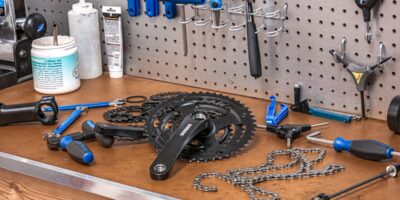
- Start with the drivetrain: Hit the chain, cassette, and chainrings with degreaser first. Use a brush to scrub off the buildup. This is where the worst gunk lives.
- Wash the frame and components: Soapy water, a sponge, and a little elbow grease for the frame, wheels, and handlebars. Rinse with a gentle stream of water — not a fire hose.
- Dry thoroughly: Use a clean cloth and pay extra attention to the drivetrain. Water left sitting on metal parts is how rust starts.
Lubrication
Lube keeps things moving and prevents rust. But here’s the catch — too much lube is almost as bad as too little, because excess lube turns into a grime magnet.
- Chain lubrication: Clean and dry the chain first, then apply a bike-specific lube sparingly. One drop per link is plenty. Wipe off whatever doesn’t soak in.
- Cables and pivot points: A little lube on cables and pivot points keeps your shifting and braking smooth. Don’t drown them.
Tire Maintenance
Your tires are literally the only thing between you and the road. Probably should have led with this, since tire problems are the most common issue riders face.
- Check tire pressure: Use a gauge before every ride. Keep them inflated to the PSI recommended on the sidewall. Under-inflated tires feel sluggish and are more prone to flats.
- Inspect for wear and damage: Look for cuts, cracks, or bald spots. If the tread’s gone, so is your grip.
- Rotate tires: Swap front and rear periodically. The rear wears faster since it carries more weight. Evening things out extends the life of both tires.
Brake Maintenance
Working brakes are non-negotiable. I don’t care how fast you want to go — you need to be able to stop.
- Inspect brake pads: Check thickness regularly. Thin pads equal weak stopping power. Replace them before they’re down to nothing.
- Check brake cables: Look for fraying or corrosion. A frayed cable can snap when you need it most.
- Adjust brake tension: The brakes should engage fully when you pull the lever. If you’re pulling to the bar before anything happens, tighten the cable tension.
- Clean brake surface: Wipe down rims or rotors to remove dirt and oil. Contaminated braking surfaces are slippery and dangerous.
Gear Maintenance
Smooth gears make riding so much more enjoyable. When your shifting is crisp, you barely think about it. When it’s not, it’s all you think about.
- Check derailleur alignment: A bent derailleur hanger throws everything off. If shifting is weird, look here first.
- Inspect the chain: Use a chain checker to measure stretch. An overstretched chain chews up your cassette and chainrings.
- Adjust gear indexing: Fine-tune with the barrel adjuster if shifts aren’t landing cleanly.
- Clean derailleurs: Remove dirt and lube the pivot points. They work much better when they’re not caked in road grime.
Frame and Suspension
The frame is the backbone of your bike. Everything bolts to it, and if it’s compromised, nothing else matters.
- Inspect the frame for cracks: Check regularly, especially around welds and high-stress areas. Carbon frames can have hidden damage too.
- Clean pivots: Full-suspension bikes have pivot points that collect dirt. Clean and lube them regularly.
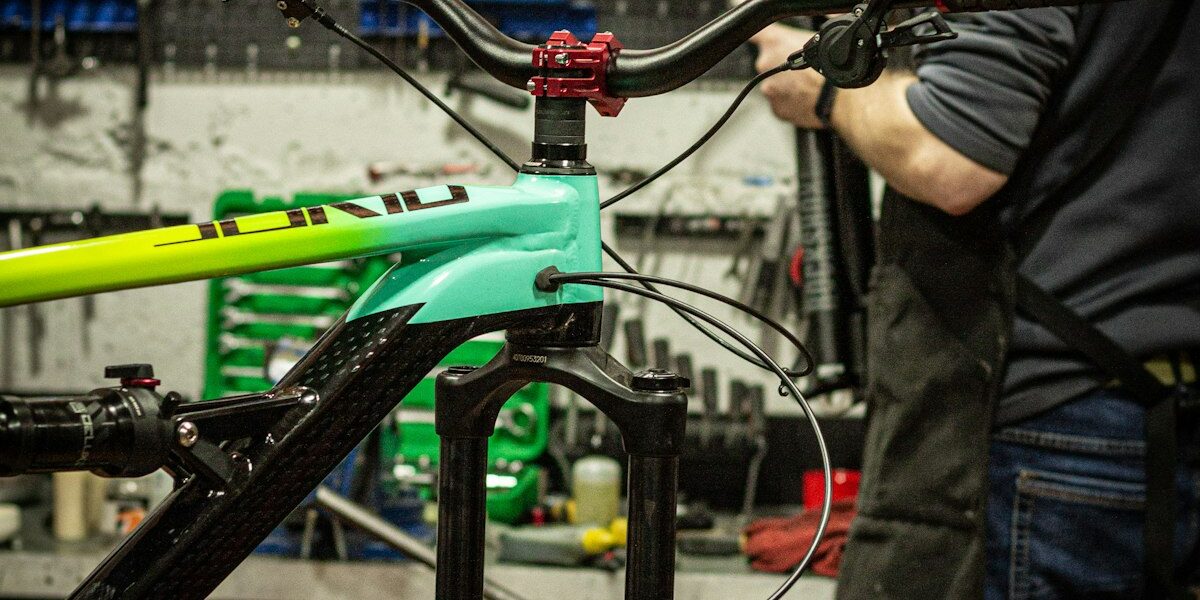
- Suspension servicing: Follow the manufacturer’s schedule for fork and shock maintenance. This usually means cleaning, lubrication, and eventual oil changes. It’s not glamorous work, but it keeps the ride feeling right.
Wheel Maintenance
Wheels take a beating on every ride. Potholes, curbs, rough trails — they absorb it all.
- Check for true: Spin the wheels and watch for wobble. A wheel that’s out of true wears your brake pads unevenly and handles poorly.
- Inspect spokes: All spokes should be tight and evenly tensioned. A loose spoke can lead to a broken one, and then things get expensive.
- Maintain hubs: Lubricate and adjust hub bearings regularly. Smooth hubs mean less rolling resistance and a quieter ride.
Handlebars and Controls
That’s what makes a well-set-up cockpit endearing to any cyclist — when everything’s in reach and nothing’s loose, you just feel confident on the bike.
- Check handlebar alignment: They should point the same direction as your front wheel. Sounds obvious, but crashes and transport can knock them off.
- Inspect grips and tape: Worn grips or unraveling bar tape means less control. Replace them — it’s cheap and makes a huge difference in feel.
- Test controls: Make sure all levers and shifters move smoothly and return properly.
Accessory Checks
Accessories make your rides better, but only if they’re actually working and attached properly.
- Lights and reflectors: Check that everything’s secure and the batteries aren’t dead. Being invisible at night is not a look anyone should go for.
- Fenders and racks: Make sure they’re firmly bolted on and not rattling around or rubbing on your tires.
- Water bottle cages: A cracked cage means a lost bottle mid-ride. Check the bolts too.
Regular Inspection
A quick inspection catches small problems before they become big ones. It takes five minutes and can save you hours of frustration.
- Give your bike a visual once-over before and after each ride.
- Tighten bolts and screws periodically — vibrations loosen them over time.
- Listen for unusual noises while you ride. Clicks, creaks, and grinding sounds are your bike trying to tell you something.
Professional Tune-Ups
Even the most dedicated home mechanics miss things. A professional can spot issues that aren’t obvious and has tools most of us don’t.
- Schedule a tune-up at least once a year, more if you ride hard or in rough conditions.
- Think of it as an investment, not an expense. A tune-up is always cheaper than a breakdown.
Storage
How you store your bike when you’re not riding matters more than most people realize.
- Keep it indoors if you can. Weather is not your bike’s friend.
- Hang it up if you’ve got the space — this keeps the tires from developing flat spots.
- Make sure it’s clean and dry before putting it away. Storing a wet, dirty bike is asking for corrosion.
Stick with these basics and your bike will reward you with years of reliable rides. It’s not rocket science — just a little attention and consistency goes a long way.