The Evolution of the Scott Sportster Bike
I remember test-riding a Scott Sportster at a local bike shop years ago, mostly on a whim. I’d gone in looking for a road bike, walked out thinking about the Sportster instead. It just felt right — quick enough for my commute, comfortable enough that I wasn’t dreading the ride home. That experience stuck with me, and apparently I’m not the only one. The Sportster has built a pretty solid following among urban commuters and weekend riders who want a bike that does a bit of everything without trying too hard to be something it’s not.
A Brief History of Scott Bikes
Scott Sports got its start back in 1958, and they weren’t even thinking about bikes at that point. The company originally focused on ski equipment, chasing better gear for winter sports. It wasn’t until the mid-1980s that they jumped into cycling, and when they did, they came in swinging. They pioneered the aerodynamic handlebar — the kind you’d see on time trial bikes — and it genuinely changed competitive cycling. From there, Scott kept branching out into different cycling categories, building bikes for road, mountain, and everything in between.
The Emergence of the Sportster Series
The Sportster came along because there was a gap that needed filling. Road bikes were fast but uncomfortable for daily use. Mountain bikes could handle anything but felt sluggish on pavement. The Sportster was Scott’s answer to the “I just want one bike that works” problem. Lightweight frames, solid components, and a design that could handle both a morning commute and a Saturday afternoon ride along the river. Probably should have led with this — the whole point of the Sportster is that it doesn’t make you choose between speed and comfort.
Design and Construction
The Sportster has always been about finding that sweet spot between going fast and not feeling beat up afterward. The aluminum frames keep weight down while staying strong enough to handle daily abuse. The riding position is more upright than a road bike, which saves your back and neck on longer rides. You’re not hunched over like you’re racing the Tour de France — you’re sitting up, looking around, actually enjoying the ride. Components typically come from well-known brands, so you’re getting parts that’ll last and perform well.
Technological Integrations
As bike tech has moved forward, the Sportster has kept pace. Hydraulic disc brakes replaced the older rim brake setups, giving you much better stopping power — especially when it’s raining or the roads are wet. Some models got suspension forks, which take the edge off when you hit potholes or rough pavement. These additions improve the ride without adding unnecessary complexity. You don’t need to be a mechanic to own one.
Target Audience
The Sportster hits a wide range of riders, honestly. Commuters love it because it’s efficient on city streets and can weave through traffic without feeling clunky. Weekend riders enjoy it because it’s comfortable enough for longer outings. And if you’re newer to cycling, the Sportster doesn’t intimidate you — it’s approachable, easy to handle, and forgiving. That broad appeal is a big part of why the series has stuck around as long as it has.
Maintenance and Care
- Clean it regularly — dirt and grime shorten the life of moving parts.
- Keep the chain lubed to prevent rust and keep shifting smooth.
- Check your brakes and gears before heading out — it’s a safety thing.
- Monitor tire pressure for a better ride and less rolling resistance.
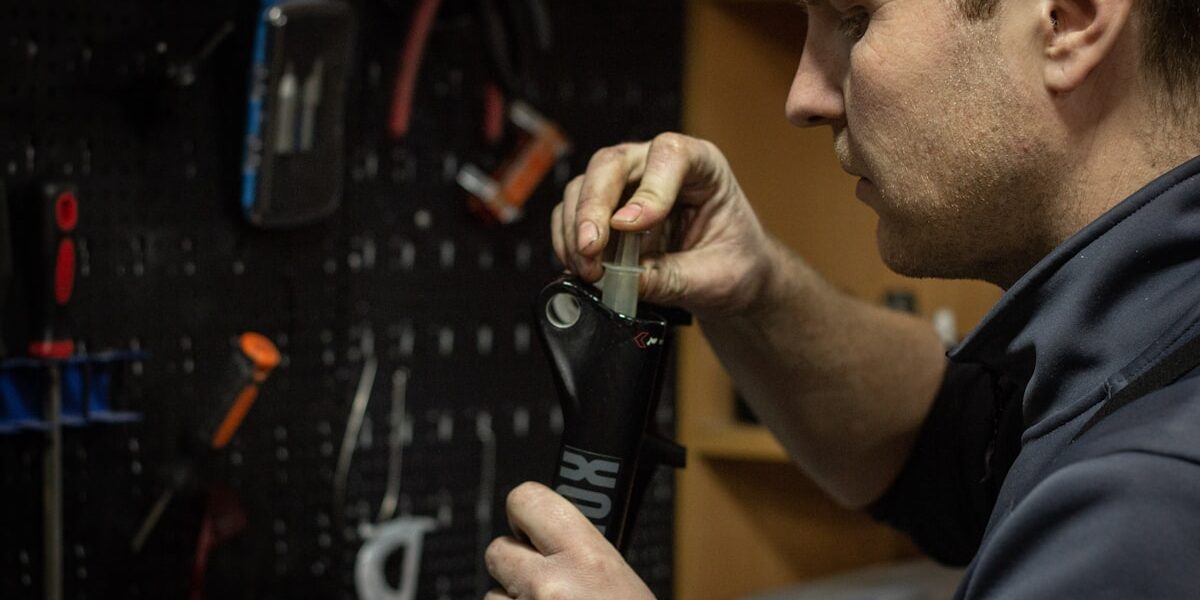
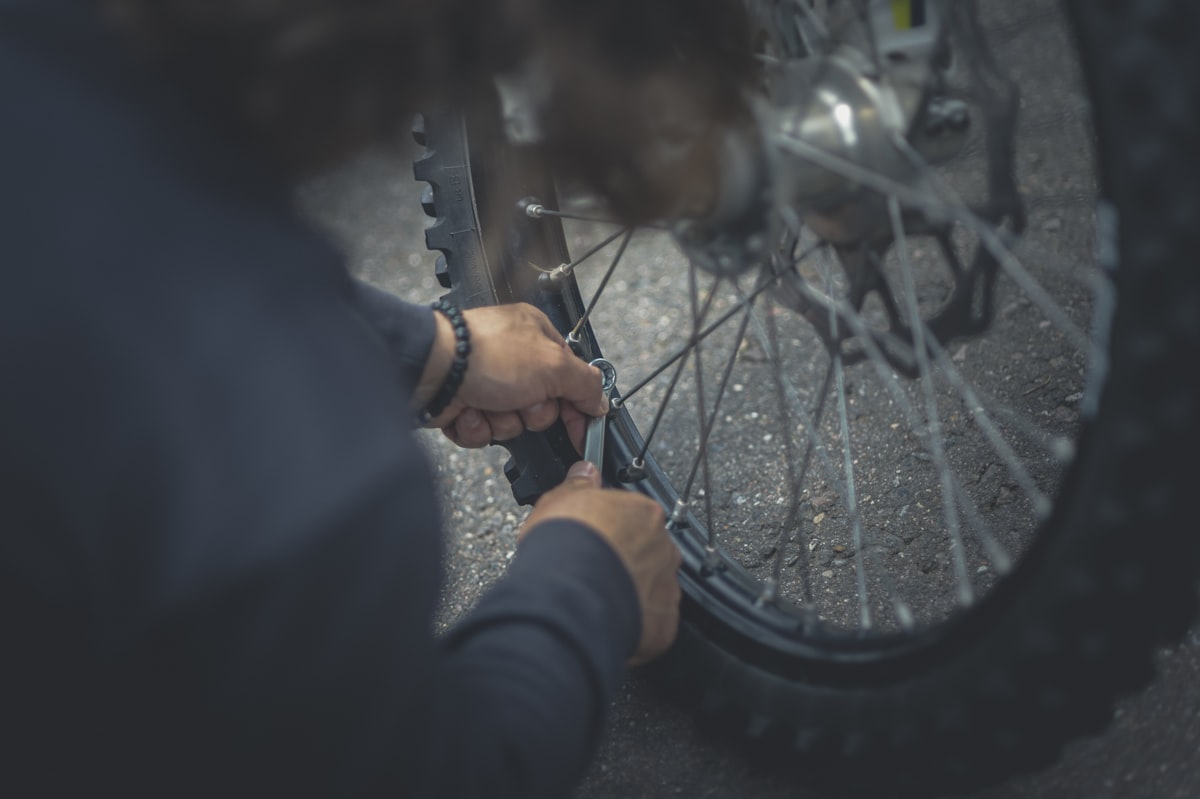
Keeping a Sportster in good shape isn’t hard. Basic maintenance goes a long way, and you don’t need fancy tools or deep mechanical knowledge. Just stay on top of the basics — clean, lube, check, inflate — and the bike will reward you with years of smooth rides.
Key Models and Variations
There are several models within the Sportster lineup, each aimed at slightly different riders. The Sportster 10, for example, leans toward a lighter, faster build — good if speed matters more to you. The Sportster 40 adds more comfort-oriented features, making it a better pick for leisurely rides and longer distances. Having options like these means you can pick the one that actually fits how you ride, rather than settling for a one-size-fits-all solution.
Comparisons with Competitors
The Scott Sportster goes up against bikes like the Trek FX series and Giant’s Escape line. All three offer similar versatility, and honestly, you’d be fine on any of them. But Scott tends to edge ahead with its design choices and component selection. There’s also the brand’s reputation for reliability — people trust Scott bikes to hold up, and that counts for something when you’re spending your money.
Sustainability Aspects
Sustainability is becoming more and more of a factor for bike buyers, and Scott knows it. They’ve been incorporating recycled aluminum materials and cleaner manufacturing processes where they can. It’s not a perfect solution — no bike company has cracked that code entirely — but it’s a step in the right direction. Riding a bike is already one of the greener ways to get around, so any additional effort on the manufacturing side is a bonus.
Future of Sportster Bikes
The bike industry doesn’t sit still, and neither will the Sportster. Future models will probably lean more into e-bike tech, which makes sense given how popular pedal-assist has become for commuters. More tech integrations are likely too — better lights, smarter connectivity, that sort of thing. But knowing Scott, they won’t lose sight of what makes the Sportster work: quality, performance, and a ride that just feels good. That’s not changing anytime soon.