Brake Adjustment Tips: Stop Safely and Confidently
Properly adjusted brakes are essential for safe cycling. Whether you ride rim brakes or disc brakes, understanding brake adjustment ensures reliable stopping power in all conditions. This guide covers both brake types and the adjustments that matter most.
Types of Bicycle Brakes
Rim Brakes:
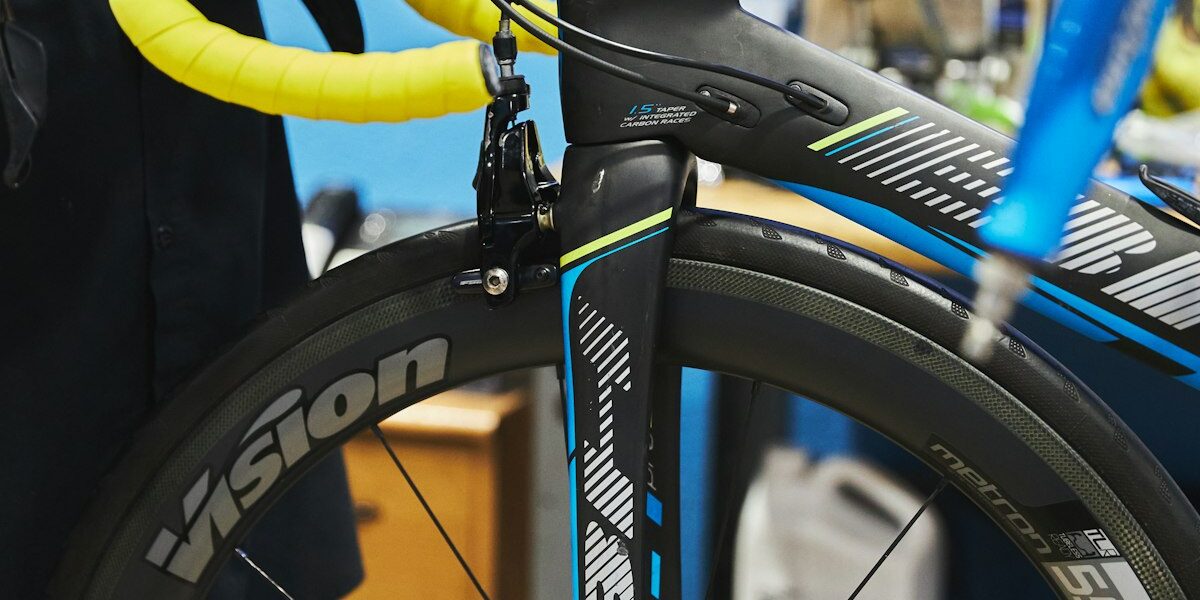
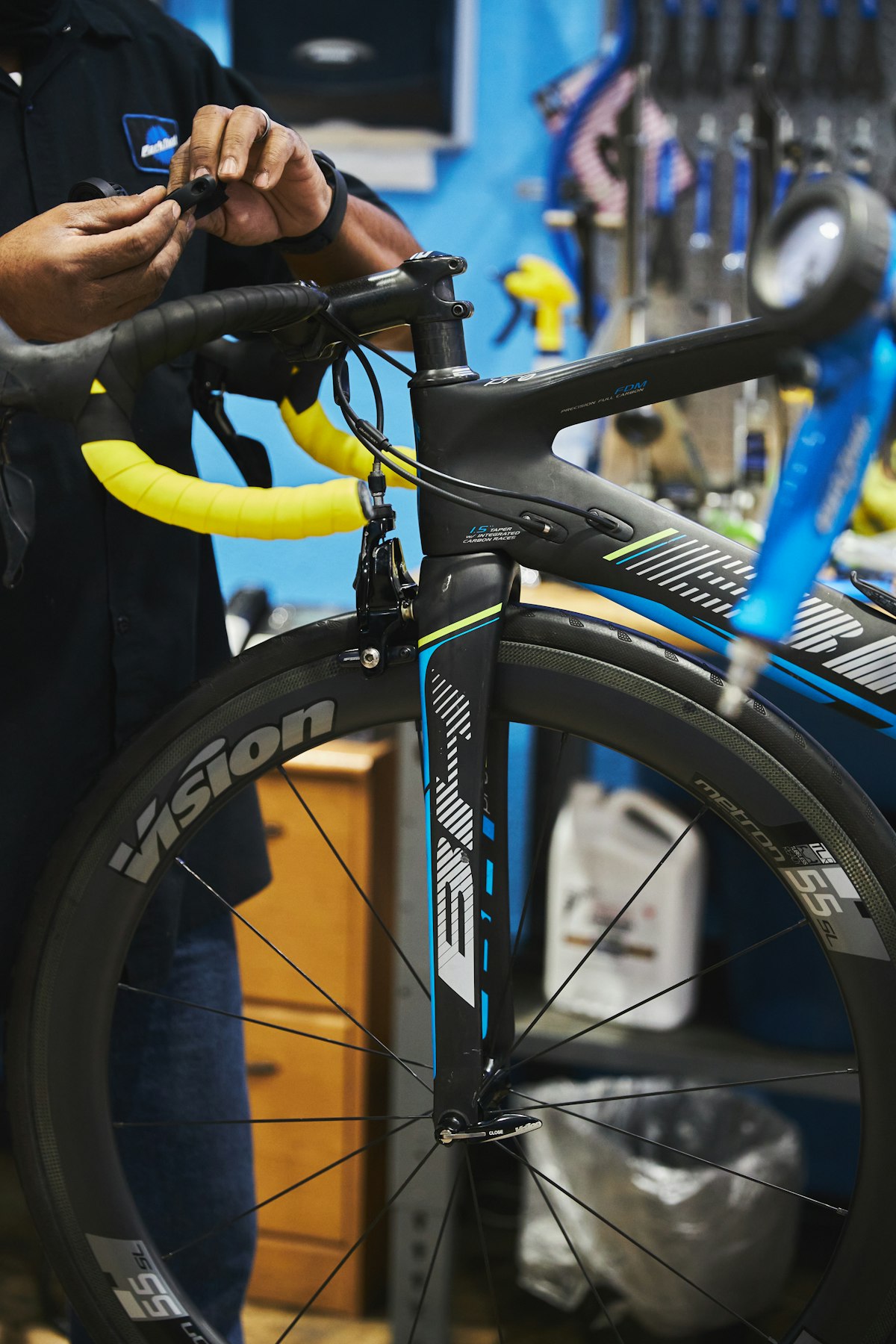
- Caliper brakes: Common on road bikes, single pivot or dual pivot
- V-brakes: Linear pull brakes common on hybrid and older mountain bikes
- Cantilever brakes: Found on cyclocross and touring bikes
Disc Brakes:
- Mechanical: Cable-actuated, similar adjustment to rim brakes
- Hydraulic: Fluid-actuated, self-adjusting for pad wear
Signs Your Brakes Need Adjustment
- Lever pulls too close to handlebar before braking starts
- Brakes feel spongy or weak
- Squealing, squeaking, or grinding noises
- Uneven braking or pulling to one side
- Rubbing when brakes are released
- Visible pad wear at or below indicator lines
Rim Brake Adjustment
Step 1: Check Pad Wear
- Inspect pads for remaining material above wear indicators
- Look for embedded debris that could damage rim
- Check for hardened or glazed pad surface
- Replace pads if worn, damaged, or hardened
Step 2: Adjust Pad Position
- Pads should contact rim braking surface only, not tire
- Align pad flat against rim with full surface contact
- Toe-in pads slightly: front of pad contacts first
- This reduces squealing and improves feel
- Tighten pad mounting bolt while holding position
Step 3: Center the Brake
- Pads should be equal distance from rim on both sides
- For caliper brakes, use centering screw or loosen mounting bolt, center, retighten
- For V-brakes, use spring tension screws on each arm
- Both pads should contact rim simultaneously when lever is pulled
Step 4: Adjust Cable Tension
- Release cable anchor bolt
- Pull cable to desired tension – pads should clear rim by 1-2mm when released
- Tighten anchor bolt
- Fine-tune with barrel adjuster on brake lever or caliper
- Lever should engage braking force at mid-travel
Disc Brake Adjustment
Mechanical Disc Brakes:
- Center the caliper: Loosen mounting bolts, squeeze brake, retighten bolts while holding lever
- Adjust pad clearance: Use adjuster dials on caliper to set pad distance from rotor
- Set cable tension: Same principle as rim brakes, use barrel adjuster
- Check for rub: Spin wheel and listen for contact; adjust as needed
Hydraulic Disc Brakes:
- Center the caliper: Loosen mounting bolts, squeeze lever firmly, tighten bolts evenly
- Check pad wear: Look through caliper for remaining material
- Reset pistons: If pads rub after pad replacement, gently push pistons back
- Bleed if spongy: Air in hydraulic system requires bleeding – specific to brake brand
Fixing Common Brake Problems
Squealing Brakes:
- Toe-in brake pads (front contacts first)
- Clean pads and rim or rotor with isopropyl alcohol
- Sand pads lightly to remove glaze
- Replace contaminated pads
Weak Braking:
- Check pad wear and replace if needed
- Clean braking surfaces
- Increase cable tension
- For hydraulic, check fluid level and bleed if needed
Rubbing When Released:
- Center brake caliper properly
- Check for bent rotor on disc brakes
- Verify wheel is properly seated in dropouts
- Check for sticky cable or housing
Lever Pulls to Bar:
- Increase cable tension
- Replace worn pads
- Check for cable stretch or housing compression
- For hydraulic, bleed system and check for leaks

Rotor Maintenance
Disc brake rotors need attention too:
- Clean regularly: Use isopropyl alcohol, never lubricants
- Check for warping: Spin wheel and watch rotor through caliper
- Straighten minor bends: Use adjustable wrench carefully on bent spots
- Check thickness: Replace when below minimum specification stamped on rotor
When to Replace Components
Brake Pads:
- Worn past indicator lines
- Contaminated with oil or lubricant
- Glazed and hardened
- Uneven wear patterns
Cables and Housing:
- Frayed cable strands
- Sticky or slow return
- Kinked or cracked housing
- Annually as preventive maintenance
Rotors:
- Below minimum thickness
- Severe warping that cannot be straightened
- Deep grooves or scoring
- Discoloration from overheating
Safety Notes
- Test before riding: Always verify brake function before every ride
- Bed in new pads: Make gradual stops to transfer material to braking surface
- Keep rotors clean: Never touch rotors with bare hands, oils reduce braking
- Check after transport: Rotors can bend during car transport
- Carry spare pads: Long tours or races warrant carrying replacement pads
Well-adjusted brakes provide confident control in all situations. Take time to maintain and adjust your brakes regularly, and they will reliably bring you to a safe stop whenever needed.