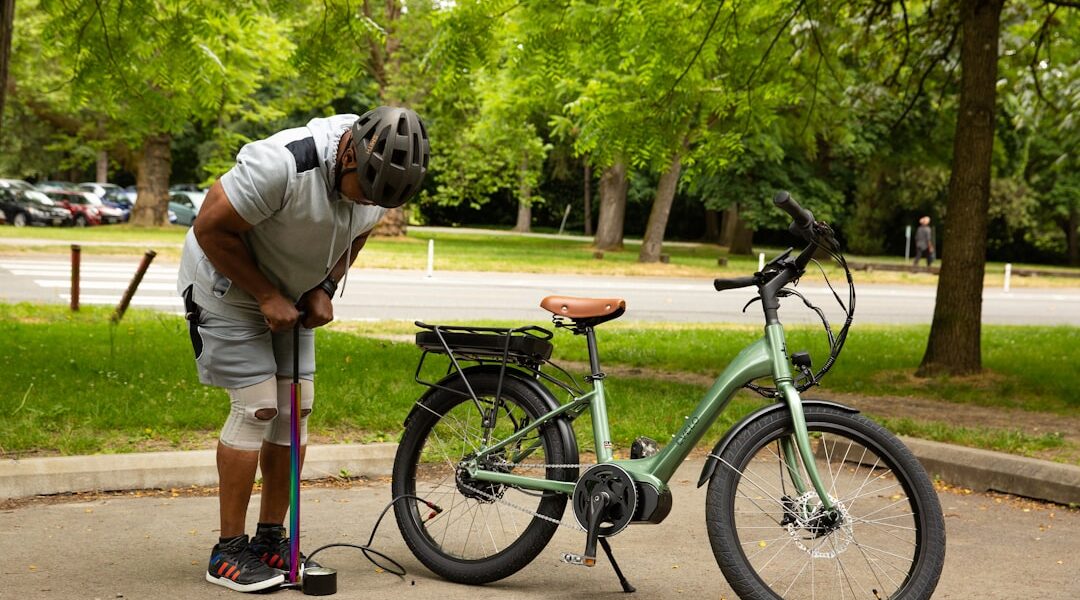
Tire pressure charts say 100 PSI for road bikes. Pump manufacturers put 120 PSI scales on their gauges. But for most riders on most roads, 100 PSI makes your ride worse, not better.
The Physics
Higher pressure doesn’t always mean lower rolling resistance. On anything except glass-smooth pavement, over-inflated tires bounce off imperfections rather than absorbing them. That bouncing is wasted energy and lost comfort.
What Actually Works
For a 170-pound rider on 25mm tires, 80-85 PSI typically provides the best balance of rolling efficiency and comfort. Heavier riders go higher. Lighter riders go lower. Wider tires run even lower—28mm tires work well at 70-75 PSI for many riders.
The Test
Drop your pressure 10 PSI below what you currently run. Ride your usual route. Most people immediately prefer the feel and notice no speed difference. Some actually get faster because they’re absorbing less vibration fatigue.
When High Pressure Matters
Velodrome racing on polished wood. Time trials on fresh tarmac. Track pursuits. For most road riders? Lower is usually better.
Stop maxing out your tires. Your body will thank you.

Stay in the loop
Get the latest bike maintenance pros updates delivered to your inbox.